
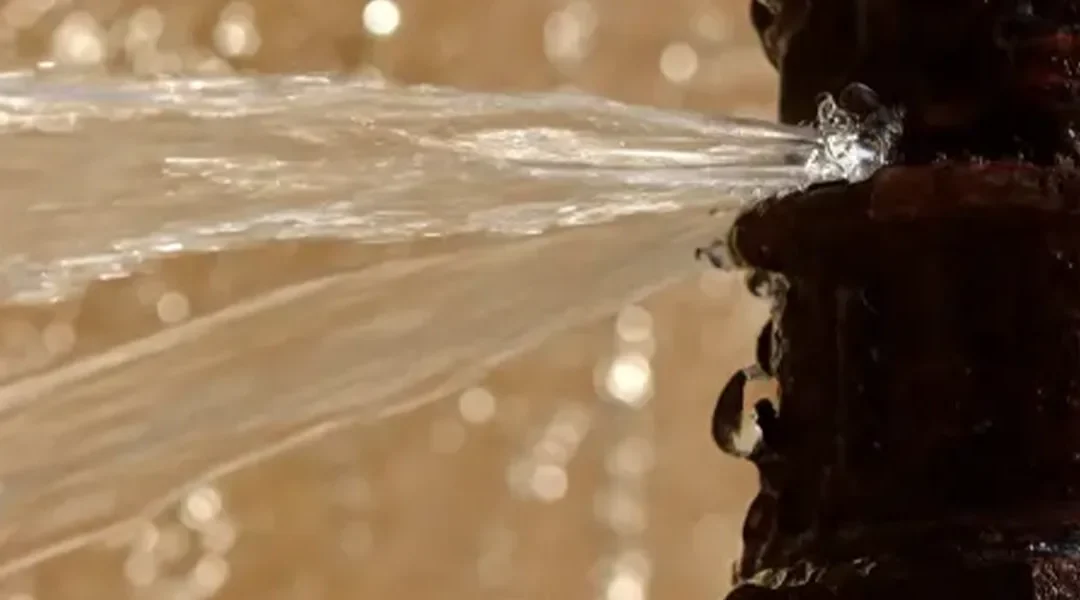
A burst pipe can turn a quiet morning into a plumbing emergency in seconds. Water may spread across floors, soak drywall, damage furniture, and create dangerous electrical hazards before help arrives. Knowing how to shut off your water quickly can dramatically limit the damage.
The good news? You don’t need to be a plumbing expert to perform an emergency water shut off. With a few simple steps—and a little preparation—you can stop or slow the flow until a professional plumber arrives. Here’s how to shut off your water safely, where to find the main valve, and what to do next.
Why Fast Water Shut Off Matters
A broken pipe can release hundreds of gallons of water in a short time. Even a small leak can cause serious damage if it continues unnoticed behind a wall, beneath a sink, or under a home’s flooring.
Water can also reach electrical outlets, appliances, and wiring. If water is pooling near electricity, don’t step into it or touch nearby switches. Move everyone away from the area and call emergency services if there’s an immediate electrical danger.
A prompt water shut off helps you:
- Reduce structural and flooring damage
- Protect furniture, appliances, and personal belongings
- Limit mold and mildew growth
- Prevent water from reaching electrical components
- Give a plumber a safer, more manageable repair site
How to Shut Off My Water: Find the Main Water Valve
The main water shut-off valve controls the water supply throughout your home. Every household member should know where it is before an emergency happens.
The valve’s location varies by home, climate, and local plumbing design. Check these common areas:
- Along an exterior wall facing the street
- In a basement or crawl space
- Near the water heater
- Inside a utility room, garage, or mechanical room
- Beneath a kitchen sink in some homes
- Near the front foundation wall
- In a covered box near the property line
In colder climates, the main valve may be inside to protect it from freezing. Some homes have two valves: one owned by the utility company and another located on the homeowner’s side of the water meter. You’ll typically want to use the homeowner-side valve.
If you can’t locate the valve, contact your water provider or a local plumber for guidance. The U.S. Environmental Protection Agency’s WaterSense program also offers helpful information about residential water use and plumbing efficiency.
How to Turn Off Different Types of Water Valves
Once you locate the main valve, identify its design. Most residential shut-off valves fall into one of two categories.
Gate valve
A gate valve has a round handle. Turn it clockwise—“righty-tighty”—until it stops. Don’t force the handle if it’s stuck, corroded, or difficult to turn. Applying excessive pressure can break the valve or cause a second leak.
Older gate valves may require several complete turns before the water stops. After turning the handle, open a faucet on the lowest level of your home to relieve pressure and confirm that the water supply has stopped.
Ball valve
A ball valve has a straight lever handle. When the handle runs parallel to the pipe, the valve is open. Rotate it one-quarter turn until the handle sits perpendicular to the pipe.
Ball valves generally shut off more quickly and reliably than older gate valves. Still, move the handle carefully, especially if it hasn’t been operated in years.
If the main valve won’t move
Never use excessive force, a pipe wrench, or another tool unless you know the valve can withstand it. A damaged main valve may need professional replacement.
If the valve is stuck, shut off the nearest fixture valve or the water supply at the street-side connection if you’re authorized and able to do so. Then contact a licensed plumber for emergency assistance. River City Plumbing can help with urgent leaks, failed shut-off valves, and other residential plumbing services.
Shut Off Water at the Fixture or Appliance
If the leak is isolated to one fixture, you may not need to shut off the entire home’s water supply. Local shut-off valves are usually located beneath sinks, behind toilets, or near appliances.
Turn the valve clockwise until it stops. For a lever-style valve, rotate the handle so it’s perpendicular to the supply line.
Common fixture shut-off locations include:
- Beneath bathroom and kitchen sinks
- Behind or beside toilets
- Behind washing machines
- Near dishwashers
- On the water line leading to a refrigerator ice maker
- Above or beside a water heater
A toilet supply valve can stop an overflowing toilet, while a washing machine valve can control a split hose. If a flexible supply line has burst, however, shut off the main water valve as quickly as possible.
What to Do Immediately After the Water Is Off
Stopping the water is the first step, not the last. Once the supply is off, take measures to reduce damage and make the area safe.
1. Turn off electricity if it’s safe
If water is near electrical outlets, appliances, or your electrical panel, keep away from the affected area. Don’t stand in water while attempting to reach a breaker. Call an electrician or emergency services if you’re unsure how to disconnect power safely.
2. Open faucets
Turn on faucets at the lowest and highest levels of the home. This can drain some water from the plumbing system and relieve pressure in the lines. Flush toilets once if necessary, but don’t continue running fixtures if the leak is connected to a drain blockage or sewage backup.
3. Contain visible water
Use buckets, towels, and mops to control standing water if conditions are safe. Move furniture, rugs, electronics, and other belongings away from the affected area.
Avoid cutting into walls or ceilings to reach a hidden leak. Water trapped inside building materials can create additional hazards, and the repair may require specialized equipment.
4. Document the damage
Take photos and videos before cleanup begins. Your insurance company may request documentation, and detailed records can help identify the leak’s source and scope.
You can review consumer guidance from the Insurance Information Institute to better understand common water-damage coverage questions.
When to Call an Emergency Plumber
Call a professional immediately if:
- The broken pipe is inside a wall, ceiling, or foundation
- You can’t locate or operate the main shut-off valve
- Water continues flowing after the valve is closed
- The leak involves a water heater, boiler, or sprinkler system
- Sewage or contaminated water is present
- Water has reached electrical equipment
- The home has extensive flooding or structural damage
- A frozen pipe has burst or may have caused hidden damage
A plumber can locate the source, repair or replace the damaged pipe, inspect surrounding plumbing, and check for additional leaks. That last step matters: pressure changes can reveal weak connections elsewhere in the system.
If you need help after an emergency water shut off, contact River City Plumbing to arrange professional service.
Prepare Before a Plumbing Emergency
The easiest time to find your main valve is before water is spraying across the floor. Walk through your home and identify the valve today. Make sure it turns smoothly, but don’t force it if it’s frozen or corroded.
Consider taking these precautions:
- Mark the main shut-off valve with a visible label
- Keep the area around it clear
- Show every adult in the home how it works
- Store the necessary tools nearby, if your valve requires one
- Replace aging or corroded valves
- Inspect washing machine hoses and other flexible supply lines
- Know where your water meter and utility shut-off are located
- Save a plumber’s contact information in your phone
The Federal Emergency Management Agency recommends preparing for water-related emergencies as part of a broader household safety plan. A few minutes of preparation can prevent hours of cleanup and costly repairs.
Final Steps for a Safer Home
When a pipe breaks, stay calm and focus on the sequence: find the source, perform the water shut off, protect people from electrical hazards, contain the water, and call a qualified plumber. If you can’t safely reach the valve or the leak is extensive, leave the area and get professional help.
Knowing how to shut off my water is a small skill with a significant payoff. Find your main valve now, label it, and make sure everyone in your home knows what to do. If a pipe breaks, River City Plumbing is ready to help diagnose the problem and restore your plumbing safely.