
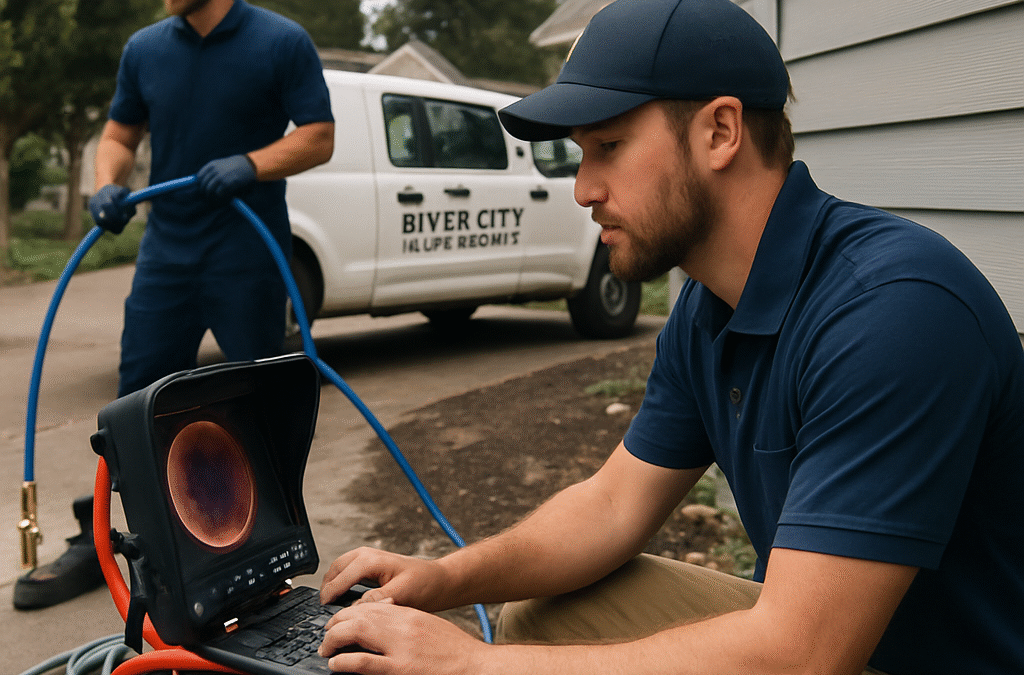
Portland drains give off clear warnings when a DIY fix won't cut it. This article lists the top signs that require professional drain cleaning services, provides realistic Portland price ranges for snaking, hydro-jetting, and camera inspections, and walks through what a service visit actually looks like so you know when to call a pro and what to expect. Keep reading for straightforward, local guidance that helps you avoid surprise costs and recurring problems.
1. Slow draining in a single sink, tub, or shower
If only one fixture is slow, the problem is usually local to that trap or branch line, not the main sewer. Most single-fixture slow drains are caused by hair, soap scum, grease, or a partial obstruction in the trap or the short run of pipe between the fixture and the stack.
Quick DIY checks to run before calling a pro
- Remove visible obstruction: Pull the stopper or pop-up and clear hair or gunk by hand or with needle-nose pliers.
- Plunge the fixture: Use a cup plunger for sinks and tubs – five strong plunges often move a loose clog.
- Clean the trap: Put a bucket under the P-trap, loosen the slip nuts, and inspect for debris; this resolves many kitchen sink clogs.
- Avoid chemical drain cleaners: They offer temporary relief and can damage older pipes and fixtures – use mechanical methods first.
When those checks are not enough, call a licensed plumber. A single slow fixture that persists after these steps or recurs within weeks usually hides a deeper buildup in the branch or a failing fixture trap.
What a professional will do and the tradeoffs
A technician will usually start with a sectional cable auger – the fastest, least invasive tool for localized clogs. If the auger clears the line, the job is quick and inexpensive. Tradeoff: snaking breaks the obstruction but often leaves biofilm on pipe walls that leads to recurrence; hydro-jetting is more thorough but is overkill for a simple hair clog and must be avoided on brittle cast iron or clay unless a camera inspection confirms it is safe.
Diagnostic escalation: if snaking fails or clogs return, a camera inspection identifies whether the issue is a persistent buildup, a damaged trap, or a branch connection that needs repair. Camera-first is unnecessary for a one-time hairball, but it is worthwhile for recurrent slow drains to avoid wasted calls and repeat fixes.
Concrete Example: A renter in Laurelhurst had a bathtub that drained slowly despite plunging. A tech from River City Plumbing removed the pop-up, used a hand auger to extract a compacted hairball, and ran a short camera pass to confirm no root intrusion or mainline issue. The visit resolved the problem and cost about $200, including the diagnostic check.
If a single fixture stays slow after a 15-minute DIY attempt, call a pro rather than using stronger chemicals or repeated plunging that can make the clog worse.
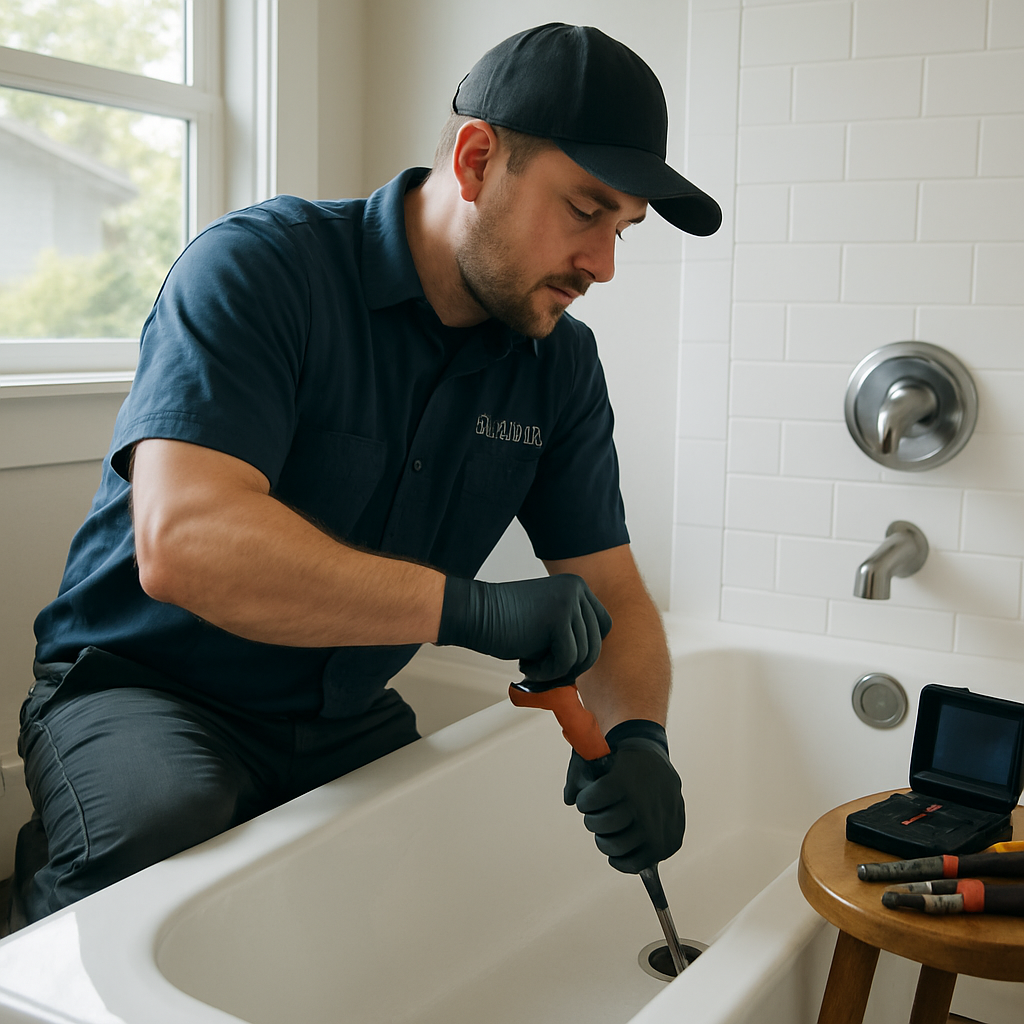
Practical judgment: do not assume a slow sink means a mainline problem. Treat single-fixture slow drains as local issues first, but escalate quickly when clogs recur. Spending $150 to $300 on a professional snake and a short camera pass is almost always cheaper than repeated DIY attempts that push the clog deeper or damage fixtures.
Frequently Asked Questions
Short answers that change what you do next. Below are the practical, no-nonsense responses Portland homeowners ask when deciding whether to call professional drain cleaning services.
Common homeowner questions
Q: How do I know when a clog needs a pro rather than another DIY attempt? If the problem affects more than one fixture, smells like sewer, or returns after a proper mechanical clearing, treat it as a job for professional drain cleaning services. Repeated DIY plunging or chemical use usually moves the problem, it does not identify its cause.
Q: Is hydro-jetting safe for older pipe materials? Hydro-jetting is highly effective but not universally safe. Practical rule: require a short camera inspection first on older cast iron or clay lines. If the camera shows deterioration, the technician should recommend a lower-pressure cleaning or a repair option instead of high-pressure work that could worsen failures.
Q: Will my insurance cover sewer backups or mainline repairs? Coverage varies widely. Many policies cover sudden, accidental backup events but exclude slow deterioration. Get a written report from a licensed plumber and check your policy; documented diagnostics make claims more likely to succeed.
Q: What should I demand from a drain cleaner to avoid surprises? Ask for a clear scope, an upfront estimate, and before-and-after video or photos from a camera inspection. Confirm the tech is licensed and insured and that the company documents pipe condition before recommending excavation or lining.
Concrete Example: A landlord in Sellwood called after tenants reported water backing into the laundry and kitchen. A camera pass showed root intrusion at a 12-foot section of clay pipe. The crew hydro-jetted the line to restore flow, then quoted a phased repair plan with lining for a later date because the pipe had hairline fractures. That approach controlled immediate damage, limited tenant displacement, and avoided unnecessary full excavation that week.
Practical insight and tradeoff: Spending on diagnostics is not wasteful. A camera inspection adds time and cost up front but prevents unnecessary excavation and incorrect remedies. Conversely, skipping diagnostics to save money can double total cost if a contractor clears a clog only to have it recur because the underlying pipe is failing.
If you need immediate help, use a provider with local emergency capability and clear pricing. For routine issues, schedule a diagnostic visit that includes a camera when multiple fixtures or recurring clogs are involved. For more on available services and booking, see drain cleaning services and sewer camera inspection. Also consult the City of Portland Bureau of Environmental Services for local sewer responsibilities.
Concrete next steps you can act on now: 1) If you have simultaneous backups or raw sewage, stop using water and call an emergency plumber such as emergency plumbing. 2) When booking a nonemergency visit, insist camera-first if clogs are recurrent or more than one fixture is affected. 3) Before the tech arrives, note recent clog history and locate any exterior cleanouts to speed diagnosis and lower the bill.