
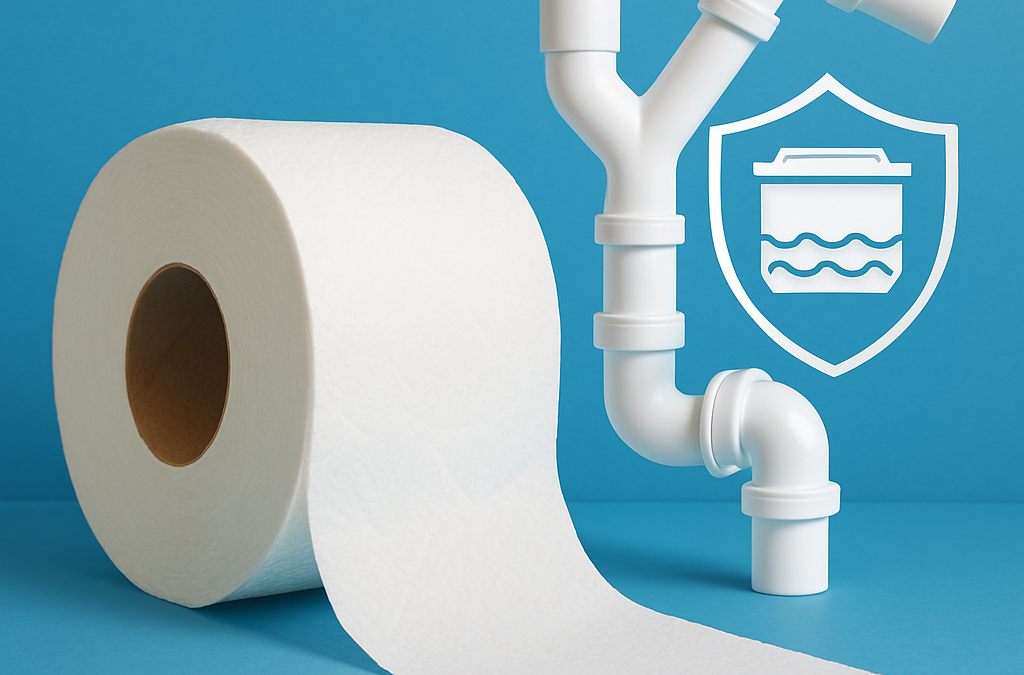
Best Plumbing-Friendly Toilet Paper: Protect Your Pipes and Septic System
Living in Portland with an older sewer lateral or a private septic tank means your choice of plumbing friendly toilet paper can save you time and money. This short guide reviews the best low-clogging brands, explains how to read dissolvability claims and run quick home tests, and lays out the comfort versus septic-safety tradeoffs to watch for. If clogs continue after switching to plumbing-safe paper, contact River City Plumbing for camera inspections, hydro-jetting, and septic advice.
How toilet paper affects pipes and septic systems
Key point: Rapid dispersion in water is the single plumbing characteristic that reduces clog risk. Sheets that break apart quickly do not accumulate at trap bends, low points in laterals, or at the septic tank inlet where solids get trapped and compacted.
Dispersion is not the same as disintegration. Dispersion means the sheet separates into small pieces that flow with wastewater; disintegration implies fibers degrade chemically. For plumbing and septic systems you want fast physical breakup so material clears the pipe rather than building a mat.
Typical failure modes
- Trap and P-trap accumulation: sheets that stay intact collect in horizontal traps and cause local blockages
- Lateral build up: in older clay or cast iron laterals a slow-moving accumulate layer forms where flow is reduced
- Septic tank sludge impact: slow-breaking paper increases the volume of settleable solids and shortens the interval between pump-outs
Trade-off to accept: softer, thicker, premium bathroom tissue often feels better but is more likely to stay intact in flow. Single ply or engineered rapid-dissolving two ply sacrifices plushness for plumbing safety. In practice, the right choice depends on system age and how often you pump the tank.
Practical judgment: when you have older sewer laterals, frequent small clogs, or a tank that is pumped infrequently, prioritize plumbing friendly toilet paper over softness. Look for manufacturer dispersion data and independent reviews such as the Good Housekeeping roundup.
Concrete example: A two-bedroom bungalow in Northeast Portland had repeated slow-drain calls. A camera inspection found a sheety buildup at an old lateral sag. Technicians removed the deposit with hydro-jetting, recommended switching to a rapid-dissolving roll, and suggested a 3 year pump schedule. The house stopped having intermittent backups.
Manufacturer claims are useful but inconsistent. Some brands publish lab dispersion numbers; others use vague terms. Do not assume a premium price or plush texture equals plumbing safety. If a product lacks dispersion data, treat it as higher risk for older systems.
For more reading on material that should never be flushed and the limits of septic systems see the EPA guidance at What Not to Flush for Septic Systems.
How we evaluated plumbing-friendliness
Bottom line: we prioritized real-world performance over clever marketing. Lab claims matter, but for Portland homeowners what actually clears a narrow, root-prone lateral or rides through a septic tank without adding sludge is what counts.
Scoring rubric we used
- Field evidence (40%): documented service calls, camera inspections, and technician reports from River City Plumbing on which products we see leaving minimal buildup.
- Independent/lab dissolution data (25%): third-party dispersion tests or manufacturer-provided rapid-dissolve data, with method transparency weighed higher.
- Sheet composition and construction (15%): fiber type, ply engineering, and additives that influence break-up and lint.
- User ergonomics and typical household usage (10%): how likely people are to use more sheets to compensate for thinness — that changes real load.
- Availability and price (10%): a plumbing-friendly paper that nobody can buy locally or afford gets downgraded in practical recommendations.
Why we weight field evidence heavily: lab tests run in ideal conditions; older pipes, accumulated lint, and septic tank biology change outcomes. If our techs repeatedly find the same brand in clogs, that tells you more than a manufacturer chart.
Practical tests we ran and recommend at home
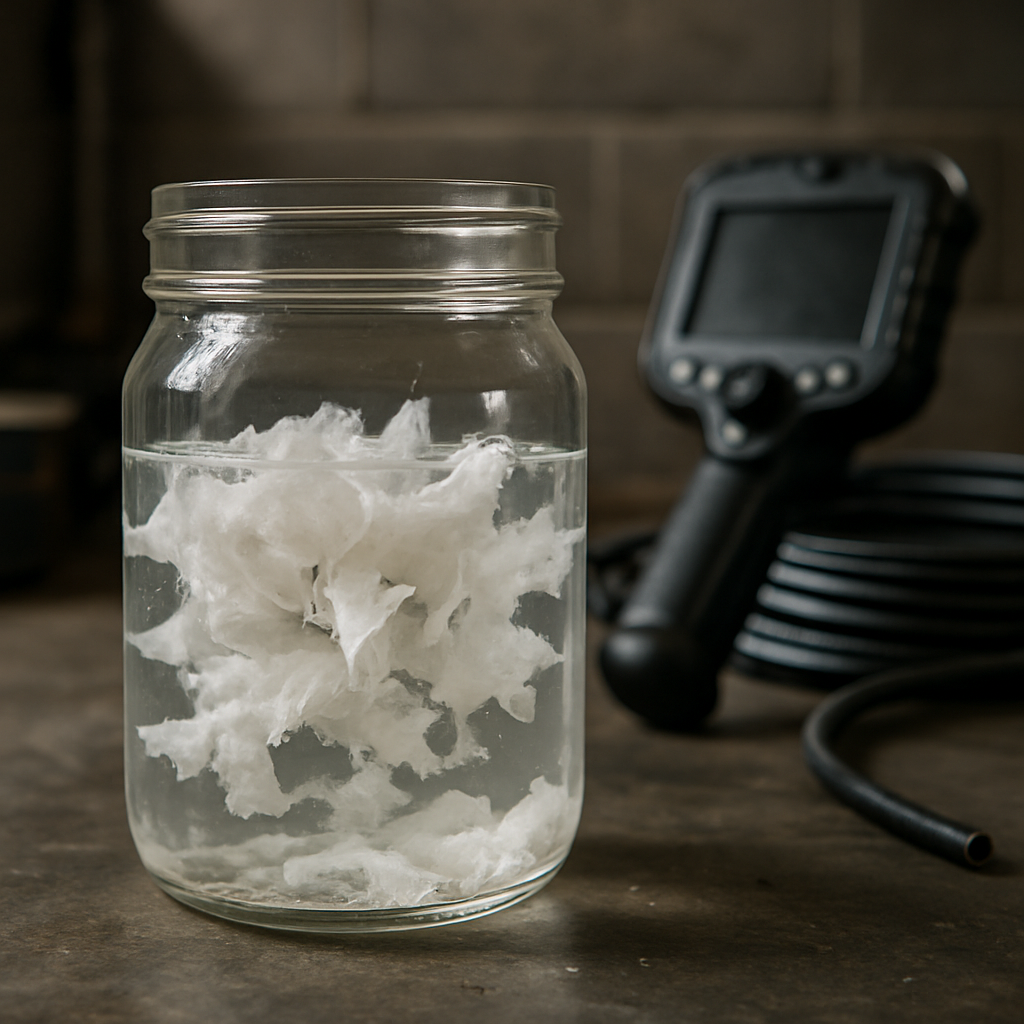
Home jar test: drop three sheets in a clear jar of water, cap and shake for a fixed 30 seconds, then sit for 2 minutes; note breakup and suspended fibers. It is a quick comparator, not definitive. For repeatability test three samples and try under running tap water too.
In-home trial: use the candidate paper exclusively for 2–4 weeks in all bathrooms and track slow drains or gurgles. Small behaviors — guests using different bathrooms, a separate apartment in the house — will invalidate a short single-bathroom test.
Concrete example: In a Southeast Portland duplex we saw repeat backups tied to an older clay lateral. We ran jar tests on the household paper, then switched to Scott Rapid-Dissolving for a six-week trial while performing a camera inspection and one hydro-jet session. The camera showed less residual striping after two months and the tenant reports no further slow-drain calls — a combined product-plus-repair outcome, not a miracle fix.
Limitations we flagged: manufacturer dissolution methods vary and can be gamed; home tests don't simulate grease, hair, or root intrusion; product batches vary. Expect margin of error and treat any test as one data point in a broader diagnosis — use EPA guidance when deciding what never to flush.
Next consideration: after a household trial, if you still see slow drains schedule a camera inspection — switching paper is low-cost, but persistent symptoms usually point to structural issues River City Plumbing can diagnose: Portland Plumbing Repair Services.
Scott Rapid-Dissolving Bath Tissue
Direct point: Scott Rapid-Dissolving Bath Tissue is one of the more practical plumbing friendly toilet paper choices for homes with older laterals or septic tanks because it actually prioritizes fast break-up over plushness.
Why it works in real plumbing
Construction matters: Scott engineers this product with thinner, quickly-separating sheets and formulations that encourage rapid dispersion when agitated in water. That means less paper accumulating in traps, junctions, and older clay or narrow iron laterals compared with many premium, high-fiber two‑ply papers.
- Plumbing-friendly trait: Designed to pass manufacturer dispersion tests and marketed for septic compatibility — see Scott Brand for product details.
- Availability: Sold at big-box stores in the Portland area, so you can swap rolls immediately after a clog instead of waiting for specialty delivery.
- Economics: Lower cost-per-roll compared with premium plush brands, though you may use more sheets per visit.
Trade-off to accept: The obvious compromise is comfort and sheet count. Thin, fast-dissolving paper often requires more sheets per use, which raises roll change frequency and can negate savings if a household overcompensates. In practice, the net plumbing benefit disappears if users respond by pressing extra sheets into the bowl every flush.
Practical limitations and where Scott is not a fix
Real limitation: Rapid dissolution helps but does not cure structural problems. If your lateral is crushed, root‑invaded, or heavily scaled, switching paper will reduce new build-up but won't remove existing restrictions — you still need a camera inspection and likely hydro‑jetting or repair.
Context judgment: For low-flow toilets and older sewer pipes common in Portland bungalows, Scott reduces small, recurring paper clogs more reliably than many premium two‑ply rolls. It is not a substitute for avoiding flushable wipes or for regular septic maintenance.
Concrete example: A NE Portland bungalow with a narrow clay lateral had monthly toilet backups. River City Plumbing technicians performed a one-time hydro‑jet and recommended switching to Scott Rapid‑Dissolving in all bathrooms. The homeowner reported no repeat backups for twelve months; technicians still scheduled a follow-up camera check to confirm long‑term clearance.
Cottonelle Ultra CleanCare
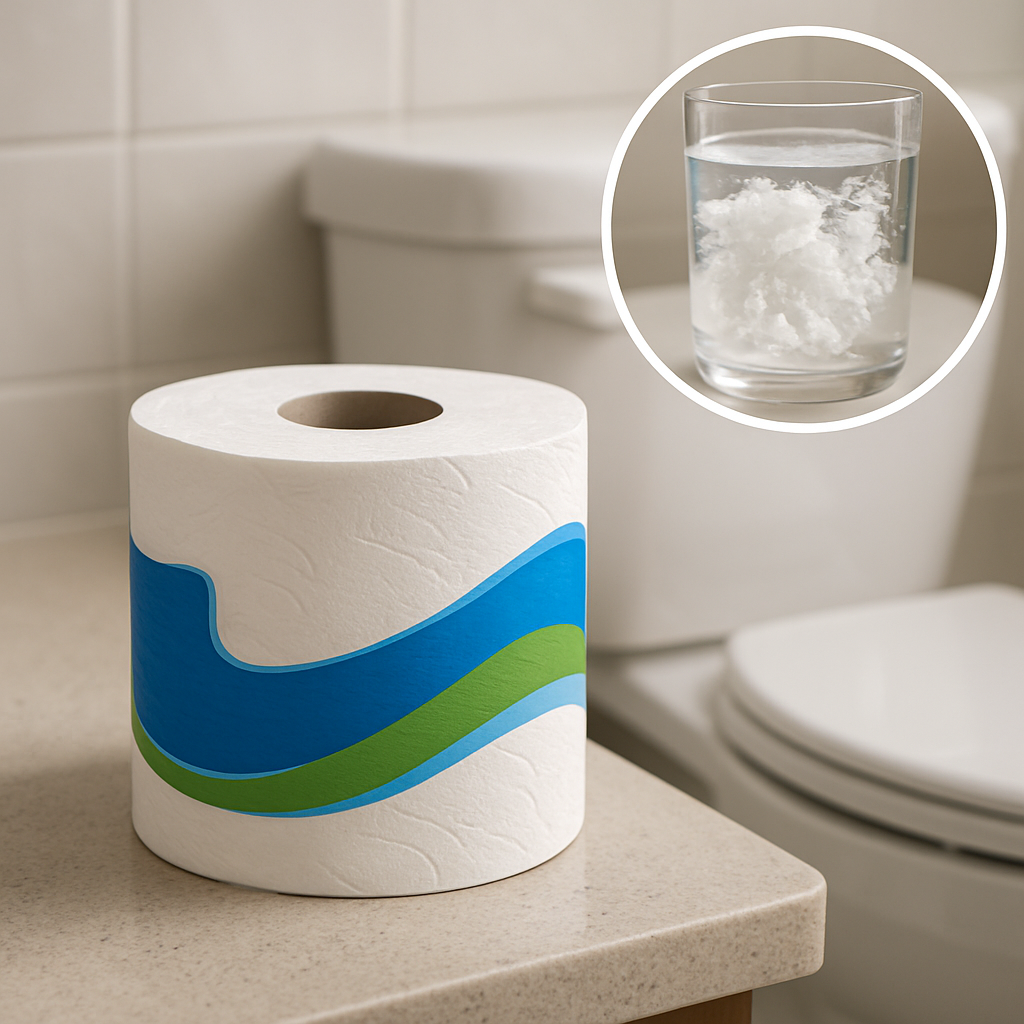
Bottom line: Cottonelle Ultra CleanCare aims for a middle ground — noticeably softer than budget single ply but formulated to disperse faster than some premium ultra-plush brands. That makes it a reasonable choice for households on municipal sewers and for many Portland homes with newer laterals, but it is not an automatic septic system cure.
Product notes: Cottonelle uses a Micro-Clean ripple texture and standard two-ply construction. The manufacturer publishes dispersion claims for the Ultra CleanCare line and third-party roundups such as Good Housekeeping include it in practical comparisons. Still, dispersion varies across Cottonelle variants, so confirm you have the Ultra CleanCare SKU rather than a heavier comfort-oriented product.
Trade-off that matters: the very embossing and thicker feel that make Cottonelle comfortable also mean it relies on water movement to break apart. In a high-flow, modern toilet with clear sewer access the paper will disperse fine. In low-flush toilets, older cast iron or clay laterals, or tanks overdue for pumping, those same characteristics can lead to more accumulation than a rapid-dissolve single ply.
Concrete example: A northwest Portland house with a 1970s cast iron lateral and low-flush toilets reported slow drains and occasional backups. Technicians performed a camera inspection and hydro jetting to clear an existing buildup, then the household switched bathroom rolls to Cottonelle Ultra CleanCare and reduced the amount used per flush. The result: no repeat backups for a year, but the system still needed routine monitoring and a scheduled pump two years later.
Practical judgment: If you prioritize softness but want to reduce plumbing risk, Cottonelle Ultra CleanCare is a defensible compromise for sewered homes and many maintained septic systems. For marginal septic setups or narrow old laterals I prefer true rapid-dissolve options as a safer first choice.
Practical tip for Portland homes
- Start small: trial Cottonelle Ultra CleanCare in one bathroom for 2 to 4 weeks before replacing every roll in the house
- Quick home test: perform a wet-jar shake comparison between your current paper and Cottonelle to see relative break-up time
- Adjust behavior: use fewer sheets per flush and avoid double-wiping routines that negate dispersion benefits
- When to call pro: if you see recurring slow drains or gurgling after switching, schedule a camera inspection with River City Plumbing via Toilet & Faucet Replacement
Who Gives A Crap Original Toilet Paper
Bottom line: Who Gives A Crap Original is a legitimate plumbing friendly toilet paper option for septic and older-pipe homes when used sensibly — it uses 100 percent recycled fiber, has lighter embossing, and the paper tends to break up faster than many premium plush brands.
Material and breakup: Because the Original line is made from recycled pulp with shorter fibers and minimal heavy embossing, it usually disperses faster than thick, heavily textured two-ply papers. That matters more in older clay or narrow cast-iron laterals common around Portland than brand prestige. The company publishes guidance on septic compatibility — see their notes at Who Gives A Crap septic compatibility — but independent lab data is limited.
Trade-off to accept: It is noticeably less plush than mainstream premium papers. In practice that means households often use more sheets per visit to feel clean, which erodes the dispersion advantage. If your family tends to overuse sheets, the plumbing benefit gets smaller. Measure by testing one bathroom for two weeks before committing housewide.
- Practical advantage: Lower fiber length and lighter embossing aid faster dispersion — helpful for septic tanks and old laterals.
- Logistics trade-off: Subscription delivery and bulk shipping lower cost but can cause gaps; keep a short local backup roll if you rely on immediate replacement.
- Environmental plus: Plastic-free packaging reduces local waste hauling concerns that matter in mixed rural/urban Portland neighborhoods.
Concrete example: A northeast Portland household switched all bathrooms to Who Gives A Crap Original after repeated slow-draining toilets. Within three weeks their slow-drains improved, but technicians still recommended a camera inspection — the paper helped, but root intrusion and partial buildup were the real cause on the lateral. The paper reduced recurring soft blockages while they scheduled a repair.
What people miss: Buyers assume recycled equals instant septic-safe. The reality is system condition and user behavior dominate outcomes. Who Gives A Crap Original lowers risk relative to plush premium rolls, but it is not a replacement for scheduled septic pumping, avoiding wipes, or addressing structural problems.
Seventh Generation 100 Percent Recycled Bath Tissue
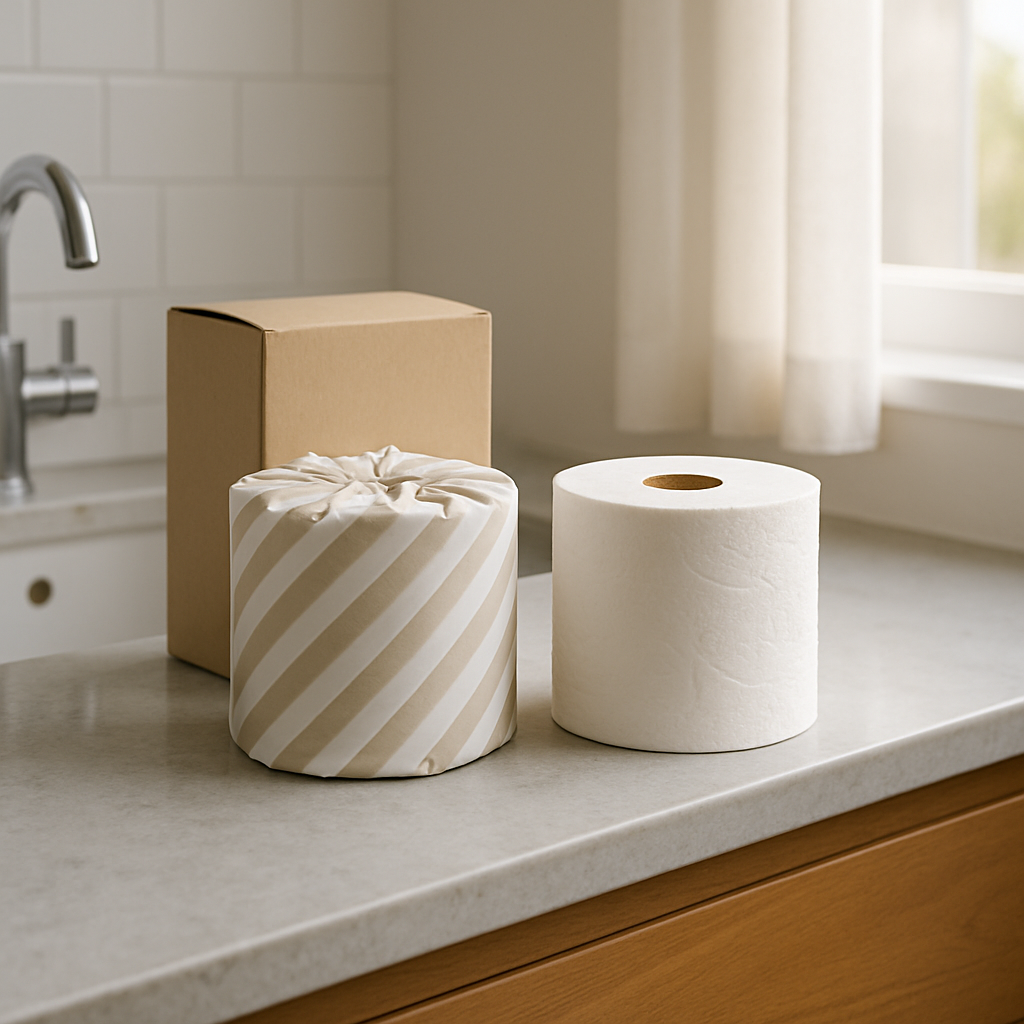
Direct assessment: Seventh Generation 100 Percent Recycled Bath Tissue is a pragmatic choice when your priority is sustainability with reasonable plumbing performance, not luxury. The paper is made from unbleached recycled fibers and is engineered to be thinner than premium plush brands, which helps it break up faster in water—an advantage for older laterals and septic tanks.
Plumbing-specific strength and limitation: Recycled, unbleached fibers mean lower chemical load in the septic tank and faster microbial recovery after use, which is a practical advantage few consumers think about. The tradeoff is feel and absorbency: households often use more sheets per event, and on very low-flow or weak-flush toilets that can translate into extra flushes. In short: it reduces bulk at pump-out but can increase user behavior that offsets that gain.
How this matters for real homes
Concrete example: A Portland homeowner with a 1960s bungalow switched to Seventh Generation across three bathrooms. After 12 months the septic pumping report showed fewer large paper clumps, but occupants reported needing two flushes for heavy use about once a week. The household accepted the extra flushes to avoid chemical-bleached paper and cut long-term sludge accumulation.
- Pros: Sustainable manufacturing, unbleached fibers that are kinder to septic microbes, widely available at local stores and online.
- Cons: Less plush — many people use more sheets; on low-flow toilets that can increase flush counts and, in rare cases, leave fine lint that adheres to pipe walls.
- Best use case: Homes with properly maintained septic systems or standard municipal drains that want an environmentally responsible paper without accepting premium plushness.
Practical setup: If you try it, put Seventh Generation in every bathroom for 2–4 weeks and watch for slow drains or repeated two-flush events. If you see slow draining in single fixtures, this paper is not the cause by itself but it exposes weak flush performance; consider a toilet assessment or Toilet & Faucet Replacement before swapping brands again.
Key point: Recycled toilet paper reduces chemical load on septic bacteria and cuts bulkier paper at pump-out, but plumbing compatibility depends on your toilet's flush power and household usage patterns.
Caboo Tree Free Bamboo Toilet Paper
Quick assessment: Caboo is a legitimate eco focused choice because it uses bamboo fibers that biodegrade faster than many virgin-wood papers, but that strength introduces a real tradeoff for plumbing. Strong bamboo sheets resist tearing in your hand and that can mean they take longer to disperse in moving water unless the product is engineered specifically to break apart.
How the material affects plumbing performance
Material note: Bamboo fibers are long and strong compared with recycled pulp. That makes the paper durable and less likely to turn mushy when wet right away. Durable in the bathroom is comfortable for users, but durability is the opposite of quick dispersal – which is what reduces clog risk in older laterals and small-diameter traps.
- Pro: Biodegradable bamboo breaks down biologically in a septic tank environment, which helps long term solids processing.
- Con: Mechanical break up in flowing plumbing is not guaranteed; stronger sheets can pass further down a line before they finally separate.
- Practical tip: Look for manufacturer dispersion data or run the jar shake test at home to compare breakup time against a known rapid-dissolving product.
Concrete example: A three person household on a 1,000 gallon septic tank in NE Portland switched to Caboo for two months. They used moderate sheet counts and ran the jar shake test first; no immediate slow drains appeared, but after a season of heavy rainy weather and increased laundry, their lateral began to show slower backups until the line was camera inspected. The root cause was a combination of root intrusion and compacted paper ribbons, not Caboo alone, but the stronger paper delayed natural dispersion and contributed to the accumulation.
Bottom line judgment: Caboo is a good eco friendly option if you prioritize biodegradable sourcing and are willing to be deliberate about usage and testing. For homes with newer sewer mains or well maintained septic systems, it performs well. For older laterals, narrow pipes, or properties with a history of clogs, treat Caboo like any premium, stronger paper: trial it, reduce sheet counts, and monitor.
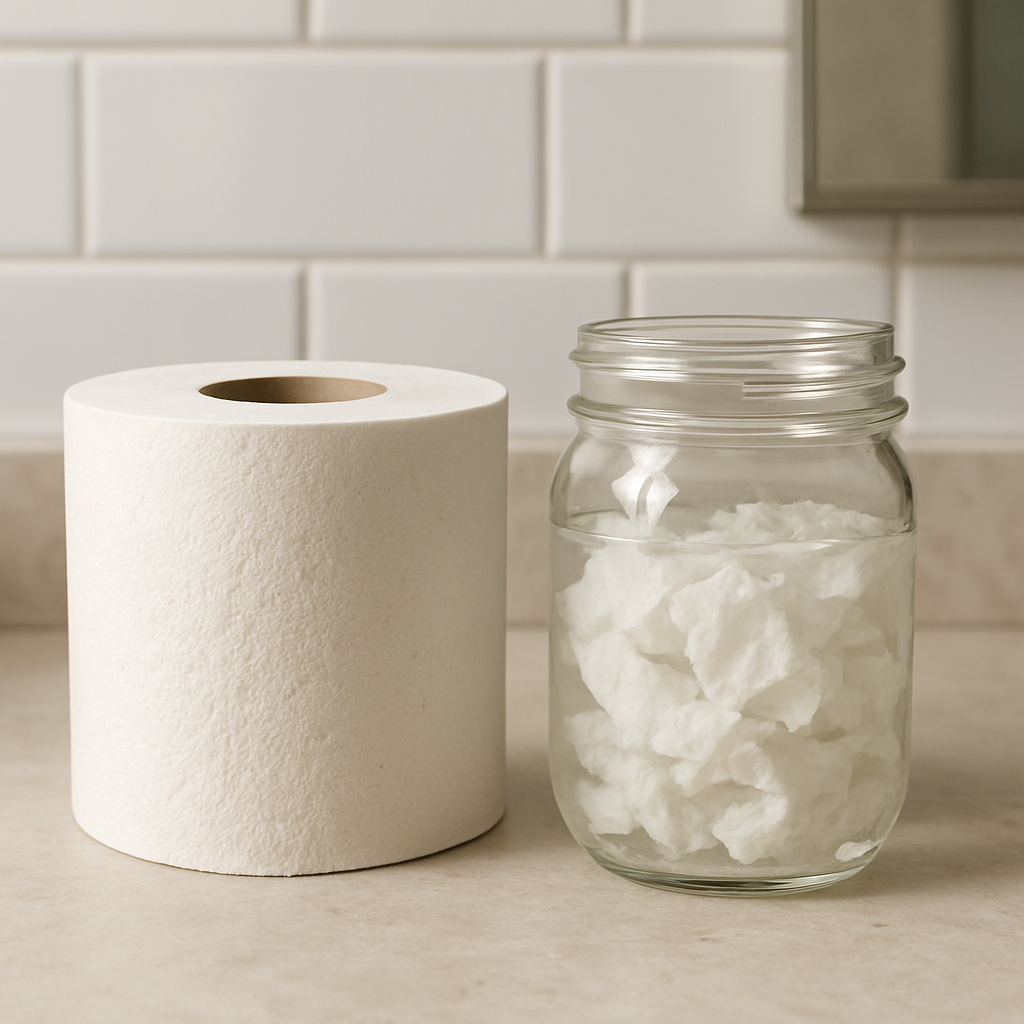
Next consideration: Do the jar shake test and use fewer sheets per flush before you switch Caboo into every bathroom in an older Portland home.
Practical habits that matter more than brand
Start with usage, not packaging. Picking plumbing friendly toilet paper helps, but how you use it changes outcomes far more. Small daily habits determine whether a product is harmless or a recurring headache for older pipes and septic tanks.
Small daily habits that move the needle
- Control per-flush volume: Use a moderate amount per flush instead of packing several sheets at once. Two medium flushes beat one overloaded flush when pipes are narrow or the toilet is older.
- Stagger heavy water use: Run full loads of laundry one per day instead of back-to-back. Heavy simultaneous water use forces solids through the tank and can send more material into the drainfield.
- Install a small bathroom bin: Put a labeled waste bin in every bathroom and tell guests to use it. That prevents novelty items and personal hygiene products from entering the system without policing every visitor.
- Maintain toilet hardware: Keep the fill valve and flush mechanism adjusted so the bowl refills properly. Poor refill lets paper sit and compact in the trap — that is a slow-clog recipe.
- Cut chemical habits: Avoid regular use of harsh drain cleaners and bleach in the toilet. They destroy the beneficial bacteria in septic systems and can make solids settle differently, increasing pump frequency.
Practical trade-off: Being stingy with paper reduces clogs but can create hygiene friction for residents. The compromise is to pair modest usage with a softer, fast-dissolving paper — not maximum softness — and clear household rules for guests.
Concrete Example: A three-bedroom home in NE Portland with a 1,000-gallon septic tank had monthly slow drains. The owners switched to a rapid-dissolving single-ply, added bathroom bins, and moved laundry to one load every other day. Within six weeks backups stopped and the pump-out interval returned to expected frequency, confirmed after a camera inspection by our techs.
What people misunderstand: Many assume that swapping brands alone fixes chronic backups. In practice, brand helps only when paired with consistent habits and basic hardware upkeep. If you still see slow drains after changing paper, the issue is often structural or hydraulic and needs inspection.
If you have recurring slow drains or odors despite good habits, book a diagnostic with River City Plumbing for camera inspection and targeted repair — Portland Plumbing Repair Services for the entire Metro Area.
When plumbing-friendly paper is not enough: how River City Plumbing can help
Straight answer: switching to plumbing friendly toilet paper helps but it will not fix hidden or structural problems in your pipes or septic system. When backups continue despite careful product choices, what you need is diagnosis and targeted remediation, not another roll of paper.
How we identify the real problem
- Camera inspection: a video run through the lateral and main drain reveals roots, breaks, bellied pipe sections, or persistent paper and grease deposits.
- Flow and smoke testing: used to find cross connections or leaks that let roots or groundwater into your line.
- Septic coordination: we check your tank and scum layer, and work with pumping vendors when buildup is the issue.
- Mechanical clearing options: snaking for simple blockages, hydro jetting for heavy grease and accumulated paper, and selective root cutting.
- Repair scope and tradeoffs: from point repairs and cured in place pipe lining to full lateral replacement when collapse or repeated root infiltration makes other fixes temporary.
Practical tradeoff: hydro jetting is our go to for grease and paper buildup because it restores flow without digging, but it is not a cure for collapsed or severely offset pipes. If camera work shows structural failure, patching or trenchless lining costs more up front but stops repeat calls and long term septic stress.
Concrete example: A southeast Portland house kept backing up on rainy days despite switching to low clogging toilet paper. Our camera showed a partially crushed lateral and a downstream grease ridge. We hydro jetted the line, then installed a cured in place liner across the damaged section. The household kept using rapid dissolving paper afterward, but the backups stopped only after the structural repair.
What we judge in the field: many homeowners assume recurring clogs are caused by the brand of paper. In practice the most common misreadings are partial collapses, root intrusion, and grease collars. Changing paper reduces small events but does not prevent structural failures or material that continuously reaccumulates downstream.
If multiple fixtures are slow, you smell sewage, or backups repeat after cleaning, treat it as a plumbing failure and get a camera inspection rather than guessing at product changes.
How to switch toilet paper without creating a new problem
Start deliberately. Swapping brands is not a harmless convenience change in homes with older plumbing or septic systems. Mixed-roll habits, low-flow toilets, and bathrooms used by different people mask how a new product actually behaves. Plan the change so you can see its effect and undo it quickly if needed.
Practical step by step
- Buy a small pack first. Purchase a trial-size or single case so you are not stuck with a year of a product that fails in your system.
- Choose the rollout strategy. If you have one toilet and a small household, switch all bathrooms at once to avoid mixed usage. If you are in a rental or multi-bath home, trial the new paper in one bathroom for 7 to 14 days to observe effects.
- Remove old rolls from easy reach. Keep legacy rolls in storage, not on desks or guest bathrooms. Mixing brands is how problems hide or get worse.
- Set simple usage rules. Ask household members to use a reasonable amount per flush and to call out if they need double flushes. Label guest bathrooms briefly if needed.
- Monitor for 2 to 4 weeks with concrete signals. Track slow drains, gurgling, or any increase in double flushes. Count incidents rather than relying on vague impressions.
- Escalate on thresholds. If you see more than one slow drain or gurgle per week, any sewage odor, or multiple fixtures affected, stop the trial and schedule a camera inspection.
Concrete example: In an NW Portland home a family trialed a plush premium two-ply in one bathroom. Within ten days the master bathroom toilet gurgled three times and one shower slowed. A camera inspection showed accumulated non dispersing fibers in the lateral; after a targeted hydro-jet and switching to a rapid-dissolve paper the problems stopped.
Tradeoff and limitation. Comfort versus dispersibility is real. Premium feel often means longer fibers or heavier sheets that low-flow toilets and older laterals struggle with. Also understand that switching paper can expose pre-existing weaknesses – a sudden increase in symptoms is a diagnostic signal, not proof the new paper is solely to blame.
Quick judgment call for Portland homeowners. If you have vintage low-flow fixtures, narrow clay laterals, or infrequent septic service, prefer a rapid-dissolving or single-ply option and roll it out consistently across all bathrooms. If the household prefers softer paper and the plumbing is newer and inspected, a careful trial is reasonable but monitor closely.
Do not let convenience or brand loyalty override a short trial period. The cheapest plumbing call is the one you prevented by switching carefully.