

Oregon City Plumbing Services: How to Choose a Local Plumber for Repairs and Installations
When a leak, clogged drain, or failing water heater forces you to call a contractor, picking the wrong company wastes time and money. This guide shows how to vet plumbing oregon city professionals: verify Oregon CCB licenses and insurance, confirm which jobs require City permits, compare itemized estimates, and set clear expectations for emergency response and warranties. Follow the short checklists and scripted questions to hire confidently for repairs and installations.
Common plumbing problems in Oregon City and which require a licensed plumber
Direct fact: In Oregon City many service calls are routine clogs and leaks, but the jobs that create the most risk and expense are sewer repairs, gas appliance work, and repiping. Homeowners who treat every problem as a simple DIY task end up calling a licensed contractor for the expensive fix later.
Frequently seen failures and when to call a licensed plumber
- Clogged drains and slow sinks: Good candidates for professional drain cleaning services in Oregon City such as snaking or hydro jetting, but often not a permit issue.
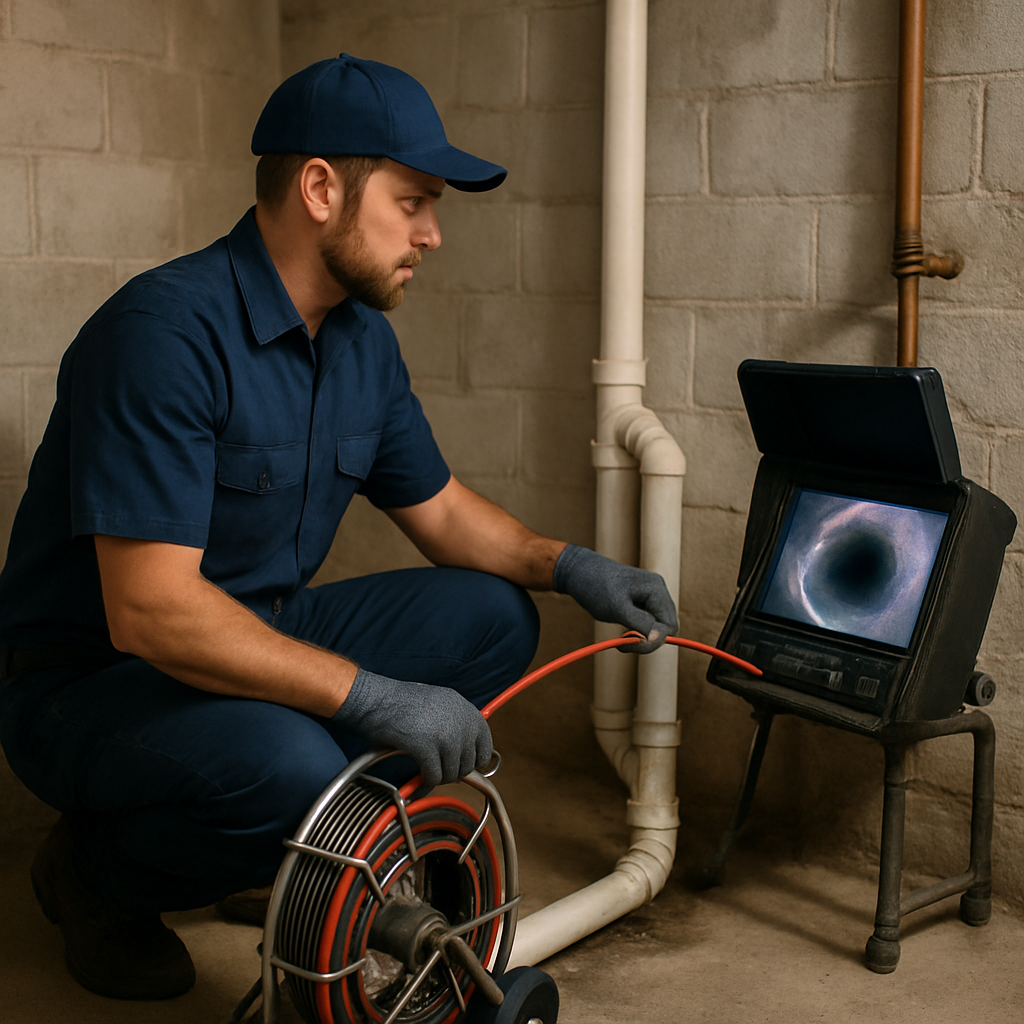
- Sewer backups and collapsed lines: These frequently involve old cast iron or clay in the area and almost always require a licensed plumber for diagnostics, camera inspection, and repairs such as trenchless sewer replacement.
- Water heater failure and replacements: If the job requires gas line work, venting changes, or a new combustion appliance, a licensed plumber must perform the installation and the City permit process is triggered.
- Major repiping and slab leaks: Replacing a main supply line or repairing a slab leak touches structural elements and building systems; this is licensed work and typically requires permits and inspection.
- Gas line installation or repair: Safety critical and legally restricted to licensed plumbers with gas qualifications.
- Sump pump and basement flooding mitigation: Installation is often straightforward, but tied systems or electrical connections may require a licensed installer depending on scope and local code.
Practical tradeoff: Hiring a licensed plumber costs more up front but reduces risk of code violations, failed resale inspections, and rework. For non structural tasks like a simple faucet repair a competent local technician may be fine. For anything that alters a main line, gas, or venting, budget for a licensed contractor and permits.
Concrete example: Replacing a failing tank water heater with a Navien tankless unit in an Oregon City home typically requires upsized gas piping, new venting, and electrical work for the unit. That combination triggers permits and requires a licensed plumber who can coordinate the gas connection, register the installation if needed, and pass inspection.
Practical judgment: Homeowners commonly underestimate sewer issues because symptoms appear intermittently. In practice, a camera inspection early saves money; throwing enzymatic cleaners at a compromised main only delays an inevitable and more expensive repair.
If the job changes the route or size of a supply or sewer line, affects gas systems, or requires cutting into the slab, insist on a licensed plumber who will pull permits and provide inspection documentation.
Next consideration: If you see recurring backups or any sign of gas smell, stop temporary fixes and schedule a licensed inspection; early investment in proper diagnosis avoids larger structural and health costs later.
How to verify a plumber is licensed and insured in Oregon
Do this first: never let a crew start cutting pipe until you have the contractor license number and a current insurance certificate in hand. Verbal assurances are meaningless if something goes wrong — liability and permit authority flow from documented, verifiable credentials.
Where to check the license: use the Oregon Construction Contractors Board lookup to confirm the contractor name, license number, active status, bonding, and any disciplinary actions. Search by the business name the technician gives you, not by a trade name plastered on a van.
Step-by-step verification checklist
- Get the license number on the estimate. Insist it appears on the written bid before you schedule work.
- Verify on the CCB site. Confirm status, bonding, and recent complaints. If the name on the CCB record doesn’t match the company doing the work, ask why.
- Request a Certificate of Insurance (COI). It should list general liability and workers compensation with policy numbers and expiration dates.
- Confirm coverage amounts for the job. For most residential jobs ask for at least $1,000,000 GL; larger commercial or sewer projects should be higher.
- Call the insurer for large jobs. If the job exceeds a few thousand dollars, a quick call to the carrier avoids surprises if the COI is forged or expired.
- Check who is listed on the COI. The named insured should match the contractor’s legal business name on the CCB record — DBAs and subsidiaries can be red flags.
Trade-off to accept: small one-off plumbers may operate without full corporate insurance and offer lower rates. That can save money short term but transfers risk to you if a worker is hurt or a pipe failure floods your home. It is reasonable to pay a premium for contractors who carry clear COIs and an active CCB record for anything beyond a simple faucet repair.
Common deception and how to spot it: some contractors will quote another company’s license or use a roofing/electrical license that looks official. If the license number is on the estimate, cross-check the business name and address on the CCB lookup. If you see different names or an expired status, do not proceed.
Concrete example: a homeowner in Oregon City scheduled a same day water heater swap. Before the crew started they verified the contractor number on the estimate via the CCB lookup and confirmed a current COI showing $2,000,000 GL. The contractor pulled the City permit through the City of Oregon City Building Division and the inspector signed off — no coverage gaps and no surprises on resale paperwork.
Important: for emergency calls ask the arriving tech for a paper copy of the license and COI and refuse major permanent work until you have verified them.
Next consideration: if verification reveals anything inconsistent — mismatched names, expired policies, or refusal to provide COIs — pause the job and get a second quote from a fully documented local plumber; it costs more to fix uninsured damage than it does to wait a day for the right contractor.
Permits and code compliance for Oregon City plumbing work
Plain fact: for most non trivial jobs in Oregon City, a proper permit and an inspector sign off are not optional paperwork – they are the means the city enforces safety and resale validity. If you want a durable, saleable result for plumbing oregon city projects, expect permits to add time and a modest fee to the schedule.
Who pulls permits, who is responsible, and the scheduling trade-off
Contractor vs homeowner responsibility: licensed plumbers commonly pull permits on the customer s behalf. That is the practical default you should demand – it keeps the trade and inspection timeline coordinated and puts liability where it belongs. Some smaller contractors will quote lower by leaving the permit to the homeowner; that reduces their paperwork but transfers risk and can delay inspections if the homeowner is unfamiliar with the process.
Timing and practical consequence: expect a permit to add one to ten business days before final sign off depending on job complexity and inspection availability. The trade-off is simple: short delay and permit cost versus potential demand at sale, insurance complications, or an order to undo unpermitted work.
Common inspection failure points contractors should anticipate
- Improper venting or trap configuration – vents too short or traps incorrectly sized cause failed tests.
- Gas sizing and combustion air errors – incorrect gas line diameter or missing combustion air for sealed units.
- Missing seismic or strapping for water heaters – required in many residential installations and an easy failure.
- Backflow and connection details – improper backflow prevention on irrigation or sump discharges.
Practical judgment: good local plumbers build inspections into their bids and list likely failure points up front. If a contractor s estimate ignores inspections or promises to obtain a permit after work is complete, treat that as a red flag.
Concrete example: a trenchless sewer replacement in Oregon City still requires a permit because the work alters the public sewer connection and often affects right of way. In practice the contractor should file the permit, coordinate any required locate and erosion control, schedule the inspector to test the line after installation, and deliver the signed permit card to you. Skipping these steps can leave you with an uninspected connection that the city can require to be excavated and fixed later.
Verify permit status yourself: ask for the permit number and confirm it on the City of Oregon City Building Division site before final payment.

Comparing written estimates and what to insist on
Clear paper beats vague promises. When you are comparing bids for plumbing oregon city work, the written estimate is the contract in waiting. If it does not spell out who does what, how long it will take, and what happens if something unexpected appears, treat the number as provisional and keep shopping.
Core items every estimate should make explicit
An estimate that hides assumptions will cost you later. Insist that the bid lists brand and model numbers for major components, who is responsible for pulling permits and paying fees, a clear timeline with milestone dates, and a payment schedule tied to those milestones. If the contractor wont commit to these items in writing, that is a practical red flag.
- Scope boundary: exactly what work is included and what is excluded – no ambiguity about demo, access, or site prep
- Materials by make and model: e.g., Rheem 40 gal electric or Bradford White 50 gal gas with serial/model number where applicable
- Labor terms: flat fee versus hourly rate, labor hours estimate, and overtime or after hours premium rates
- Permits and inspections: who will apply, permit cost allowance, and how inspection delays are handled
- Contingency and change orders: how unknowns are documented, approval process, and hourly or fixed rates for extras
- Disposal and cleanup: responsibility and cost for hauling old equipment and debris
- Warranties and registration: contractor workmanship warranty length plus who will register manufacturer warranties
- Payment schedule and lien waiver practice: deposit cap, draw schedule tied to milestones, and final documentation upon payment
Tradeoff to understand: flat rate bids give certainty for clearly defined jobs. For older homes or sewer work where hidden conditions are common, a measured time and materials approach with firm change order controls is often more honest. Choose the billing method that matches the risk of unknowns, not the lowest sticker price.
Concrete example: A homeowner in Oregon City received two bids to replace a failing water heater. Bid A listed a generic replacement and a low price. Bid B listed a Bradford White model, new venting parts, permit fee allowance, labor hours, and a 2 year workmanship warranty. When the installer opened the wall and found corroded fittings, Bid A became a series of expensive change orders. Bid B handled the scope change under its contingency terms without dispute.
Important: for emergency plumbing Oregon City calls, get a written follow up within 24 hours that converts any verbal emergency work into a firm, itemized estimate before permanent repairs proceed.
Final action: pick the estimate that makes responsibility traceable and limits surprises. If you want a local firm that commonly supplies detailed, permit aware bids for Oregon City work, request an itemized estimate and verify license and insurance before scheduling. If the contractor balks, walk away and get another written bid.
Evaluating experience, references, and reviews
Experience matters, but not the way most people think. Years in business is a headline metric; what actually predicts a smooth job is documented experience with the specific problem you have, plus verifiable proof the contractor handles permits and follow up.
What to weigh when you vet a plumber
- Project match: evidence of the exact service you need, for example trenchless sewer replacement, water heater replacement, or kitchen plumbing services in Oregon City
- Reference quality over quantity: permission to call recent customers and before and after photos tied to a specific address or neighborhood
- Review pattern, not star average: look for recurring themes like punctuality, cleanup, permit tracking, or warranty responsiveness
- Cross platform confirmation: consistent history across Google Business Profile, Better Business Bureau, and local community groups reduces risk of fake or biased reviews
- Emergency track record: if you need emergency plumbing Oregon City availability, verify documented same day responses and how after hours fees were handled
Practical tradeoff: top rated Oregon City plumbers often command premium scheduling and may not be first on the scene for a midnight burst pipe. Smaller local teams can be faster but may lack a long trail of documented installs or formal warranties. Choose based on the problem urgency and the risk profile of the work – immediate mitigation from a local crew, then a documented licensed contractor for permanent repairs is a reasonable split strategy.
Concrete example: A homeowner in Oregon City had intermittent backups. They selected a plumber who supplied recent camera inspection photos from nearby jobs and two references willing to discuss trenchless sewer work. The plumber performed a camera diagnostic, confirmed failing cast iron, pulled the permit, and completed a trenchless sewer replacement with inspection sign off. See an example of similar services at River City Plumbing services for reference.
Common misunderstanding: many people trust high star counts without verifying details. In practice, vague five star reviews are weak signals. Real reliability shows up in specifics – model numbers for installed equipment, permit numbers, inspector names, and photos with timestamps. Ask for those details and treat reviews that lack them as incomplete evidence.
Important: ask for two local references for the same job type and permission to call them. If a plumber refuses, consider that a meaningful red flag.

Next consideration: after references and reviews check out, move to a written estimate that lists permit responsibilities and warranty terms before any permanent work begins.
Expectations for emergency service and how to verify response capabilities
Start with containment, not promises. In practice the value of emergency plumbing Oregon City calls is measured by what the crew secures in the first visit and how quickly they commit to a documented plan for permanent repair. Fast arrival without containment still leaves you with damage; permanent fixes without immediate mitigation risk larger loss. Expect technicians to prioritize shutoff, temporary repairs, and clear documentation before quoting major replacements.
What to confirm on the first call
- Arrival window and crew type: a promised hour or two window is reasonable for urgent calls; confirm whether a local employee or subcontractor is coming.
- Scope of immediate work and fee structure: request the price for temporary mitigation versus permanent repair, including after hours premiums.
- Verification documents on arrival: ask that the attending technician present a contractor license number and a COI if you request them on site.
- Documentation and next steps: insist on photos, a written damage mitigation report, and a commitment to follow up with an itemized estimate within one business day.
- Ability to handle hazards: confirm the crew can isolate gas and electrical hazards or will coordinate with utilities if needed.
| Situation | Reasonable response window | Typical immediate action |
|---|---|---|
| Burst pressurized pipe | 60-120 minutes | Shutoff main, temporary clamp or valve, water extraction |
| Sewer backup | 1-4 hours | Stop water usage, pump out, line snaking or temporary bypass |
| Complete loss of hot water (all fixtures) | Same day (4-8 hours) | Diagnose safe source – temporary electric or heater bypass if available |
| Odor or gas leak | Immediate (call utility first if smell is strong) | Isolate gas, ventilate, notify utility, secure area |
Practical trade-off: companies that advertise instant arrival may only offer basic mitigation and subcontract permanent work. That can be efficient for immediate loss control but increases coordination overhead and warranty friction. A local licensed team that does both mitigation and follow-up repair reduces handoffs but may charge higher after-hours rates.
Concrete example: A homeowner in Oregon City woke to a flooded laundry room at 2:00 AM. The contractor arrived in 90 minutes, shut off the water, set pumps, and taped temporary fittings. The next morning the company delivered a written estimate for pipe replacement, photos for the insurer, and a permit plan for the permanent repair. For a similar emergency workflow see River City Plumbing emergency page.
Demand an arrival window, on site verification of credentials, and a written mitigation report before any major work proceeds.
Next consideration: if a company avoids on site credential checks or will not document temporary repairs, escalate to a licensed local plumber who will both secure your home and produce the written estimate and permit plan you need to close the job properly.
Materials, brands, and warranty considerations for installations
Start with serviceability, not shelf price. Choose materials and brands because local technicians can source parts quickly and because the warranty will actually be honored in your market — cheap parts with long printed warranties are worthless if no local tech will service them.
Materials have predictable trade-offs. PEX is fast to install and resists corrosion but can be vulnerable to UV and rodent damage in exposed runs. Copper lasts decades in many homes but costs more and requires soldering skills; it can also accelerate galvanic corrosion if mixed with the wrong fittings. For drain lines, PVC and ABS are the common choices; use the material a licensed plumber recommends for compatibility with your existing system and local code.
Brands matter for two practical reasons: parts availability and installer familiarity. Local plumbers in Oregon City carry common lines they trust — stick with those manufacturers when possible. Also confirm whether the contractor is an authorized installer for the brand; some extended warranties require certified installation to remain valid.
- What to insist on in the estimate: brand and model numbers for all major components (e.g., water heater model), expected lifespan, and part numbers for critical fittings
- Warranty clarity: how long the contractor will cover workmanship, what the manufacturer covers, and who will register the unit or file claims
- Replacement parts policy: whether the plumber stocks common replacement parts or will need to order and how that affects downtime
Practical limitation: manufacturer warranties usually cover defects, not installation errors or related damage. That means if a leak occurs because of improper jointing or incompatible materials, the manufacturer may deny a claim and the contractor s workmanship warranty must pick up the tab. Insist on a clear, signed workmanship warranty that names covered items and the remedy.
Concrete example: A homeowner in Oregon City chose a high efficiency tank water heater and confirmed the installer would register the unit with the manufacturer. The contractor documented model and serial numbers on the job ticket and provided a two year workmanship warranty in writing. When a thermostat failed in year one, the manufacturer honored its part replacement because the unit had been registered, and the contractor covered labor under the workmanship warranty — no billing dispute with the homeowner.
Always get the exact model and serial number written into the estimate, plus a statement that the contractor will register the manufacturer warranty on your behalf.

Questions to ask before you hire a plumber
Start with the questions that force accountability. When you call about a repair or installation, the answers you get in the first five minutes separate reliable local plumbers from those who create problems later. Use plumbing oregon city in the conversation to confirm local knowledge and to see whether the contractor understands permit and inspection requirements here.
Priority question tiers
- Non negotiables – do not hire if the answer is weak: Are you licensed in Oregon and what is your CCB number? Will you pull permits with the City of Oregon City Building Division for this job? Can you email a current Certificate of Insurance showing general liability and workers compensation before you start?
- Important details – expect clear, specific answers: Which brand and model will you install and can you show me the spec sheet? What is your workmanship warranty in writing and who registers the manufacturer warranty? Do you charge after hours or emergency fees and what is your response window for same day service?
- Signals of professionalism – useful but not deal breakers: Can you provide two local references for the same job type? Do you carry parts commonly needed for my installation to avoid long delays? Will you document the work with photos and provide the permit card after inspection?
Practical tradeoff: if speed is the priority for an emergency, you may accept temporary mitigation from a same day plumber and plan the permanent, permitted repair with a licensed contractor afterward. That split strategy reduces immediate damage but increases coordination work and may cost more overall.
Concrete example: A homeowner called about a leaking water heater and used plumbing oregon city in the call to probe local experience. The first company could stop the leak but would not provide a permit commitment; the second company arrived the same day, provided a written temporary repair, emailed their CCB number and COI, and supplied a follow up written estimate that included the City permit plan and model numbers for a replacement Bradford White tank.
How to evaluate answers in practice: quick compliance with the non negotiable questions indicates the contractor understands local code and resale risk. Hesitation about permits, refusal to provide a COI, or vague warranty language are strong reasons to walk away even if the price looks good.
Script to use on first call: Hi, I need a quote for a [brief description of issue]. Are you licensed in Oregon – can you give me your CCB number so I can verify? Will you pull any required City of Oregon City permits for this job? What brand/model do you propose, what is your workmanship warranty, and can you email a written estimate within 24 hours? Also confirm your earliest arrival window and any after hours fees.
If a contractor refuses any of the non negotiable checks or will not put permit and warranty commitments in writing, do not hire them.
When to call River City Plumbing and what to expect from a local Portland company
Call River City Plumbing when the problem threatens safety, property, or code compliance. Examples that justify an immediate call include active flooding, sewer backups that send waste into the house, a gas odor, or a complete loss of hot water in a multi unit building. For routine clogs or small faucet leaks you can shop rates, but for anything that can escalate into structural damage or that will require a City permit, call a licensed local team right away.
What River City Plumbing commonly handles for Oregon City properties. They provide emergency plumbing Oregon City responses, water heater replacement and tankless installations, sewer and drain cleaning including hydro jetting, pipe repair and repiping, trenchless sewer options, sump pump installs, and commercial plumbing support. Expect the company to describe permit needs and inspections up front when the work affects mains, gas, or structural elements.
Practical expectations on arrival
- Immediate mitigation: shut off, temporary clamps or bypasses, and water extraction to limit damage
- Credentials shown on site: the attending technician will provide a CCB number and identification before work starts
- Documented plan: written next steps and a timeline for permanent repair, plus a follow up estimate within 24 hours
- Permit handling: a statement of who will file permits with the City of Oregon City Building Division and expected inspection windows
Tradeoff to accept: using a local Portland firm that does mitigation and final repairs reduces handoffs and warranty friction, but it can mean higher after hours rates and slightly longer scheduling for permitted work. If speed is the absolute priority, a same day mitigation crew can stop the damage — but expect to hire a licensed contractor to complete permitted work and secure inspections afterwards.
Concrete example: A homeowner in Oregon City woke to a saturated crawlspace. River City Plumbing arrived within the promised window, isolated the leak, set pumps, and photographed the temporary repairs. They emailed a detailed estimate the next morning, listed the Bradford White replacement options and permit fees, and confirmed they would pull the City permit and schedule inspection. The homeowner used the documentation for the insurance claim and for resale records later.
Judgment you should apply: do not let urgency override verification. For emergency calls insist on on site credentials, a written mitigation report, and a commitment to a written, itemized estimate before any permanent work proceeds. Companies that avoid paperwork or refuse to discuss permits are likely to create problems at inspection or sale.
If you need same day help, ask for the arrival window, the on site technician CCB number, and a written mitigation note before letting crews perform permanent alterations.