
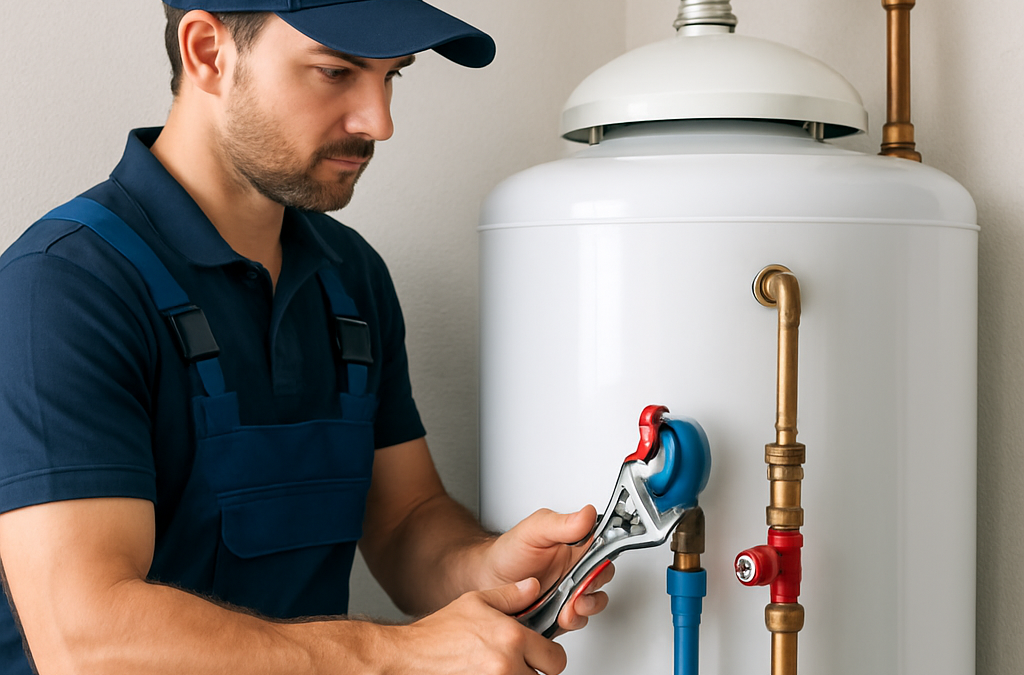
Water Heater Replacement in Portland: Costs, Options, and Installation Timeline
If your hot water has failed or your tank is showing age, water heater replacement portland can feel urgent and confusing. This guide lays out realistic installed cost ranges for conventional tanks, tankless, and heat pump systems, explains how Portland permits and inspections affect timing and price, and highlights the common upgrades that drive surprise expenses. You will finish knowing what to budget, which technology fits your home, and the right questions to ask a licensed plumber when requesting a quote.
Portland installed cost ranges for water heater replacement
Straight to the point: in Portland, expect replacement prices to split into three practical bands rather than a single number — a basic same-type tank swap, mid-range replacements (better tanks or entry-level tankless/heat pump), and high-end conversions that require venting, gas or electrical upgrades.
Price bands you will see in Portland
| Project type | Typical installed range | What usually pushes cost up |
|---|---|---|
| Basic tank swap (40–50 gal conventional) | $1,200 – $2,500 | Brand, access, permit and disposal fees |
| Mid-range replacement (better tank, entry tankless, or heat pump) | $2,500 – $5,500 | Electrical or minor venting work, higher-efficiency unit |
| High-end conversion (tank to tankless or heat pump with upgrades) | $4,500 – $9,000+ | Gas line upsizing, new venting, service panel work, structural access |
Key factors: accessibility, fuel type, and required code work matter more than the sticker price of the appliance. A cheap unit tucked behind a utility closet becomes expensive fast if the installer needs to cut drywall, extend gas piping, or pull a permit with a retrofit vent.
- Access and labor: tight crawlspaces or stairs add hourly labor and time
- Fuel and venting: converting to gas tankless commonly requires new vents and gas line upgrades
- Electrical service: heat pump models often need a 240V circuit and sometimes panel capacity increases
- Permits and inspections: factor permit fees and an inspection window through Portland BDS
Concrete Example: a typical in-garage 50 gallon electric Rheem swap: unit $600, permit $150, labor (4 hours) $800, parts and valves $150, disposal $75 — installed total about $1,775. That is a realistic baseline for an easy, same-type replacement in Portland.
Real-world conversion case: converting a 40–50 gallon gas tank to a Rinnai tankless often lands between $4,000 and $7,500 because of required venting, a new class B or stainless vent, and potential gas line upsizing. In my experience the gas line and venting are the line items that surprise homeowners most — not the unit itself.
Heat pump example and rebate impact: an installed Rheem heat pump water heater commonly lists $3,500–$6,000 before incentives; Energy Trust of Oregon rebates can reduce that effective cost — check Energy Trust and confirm eligibility. Judgment call: go heat pump only when you have space for the unit and either adequate electrical capacity or a contractor who will quote the panel work up front.
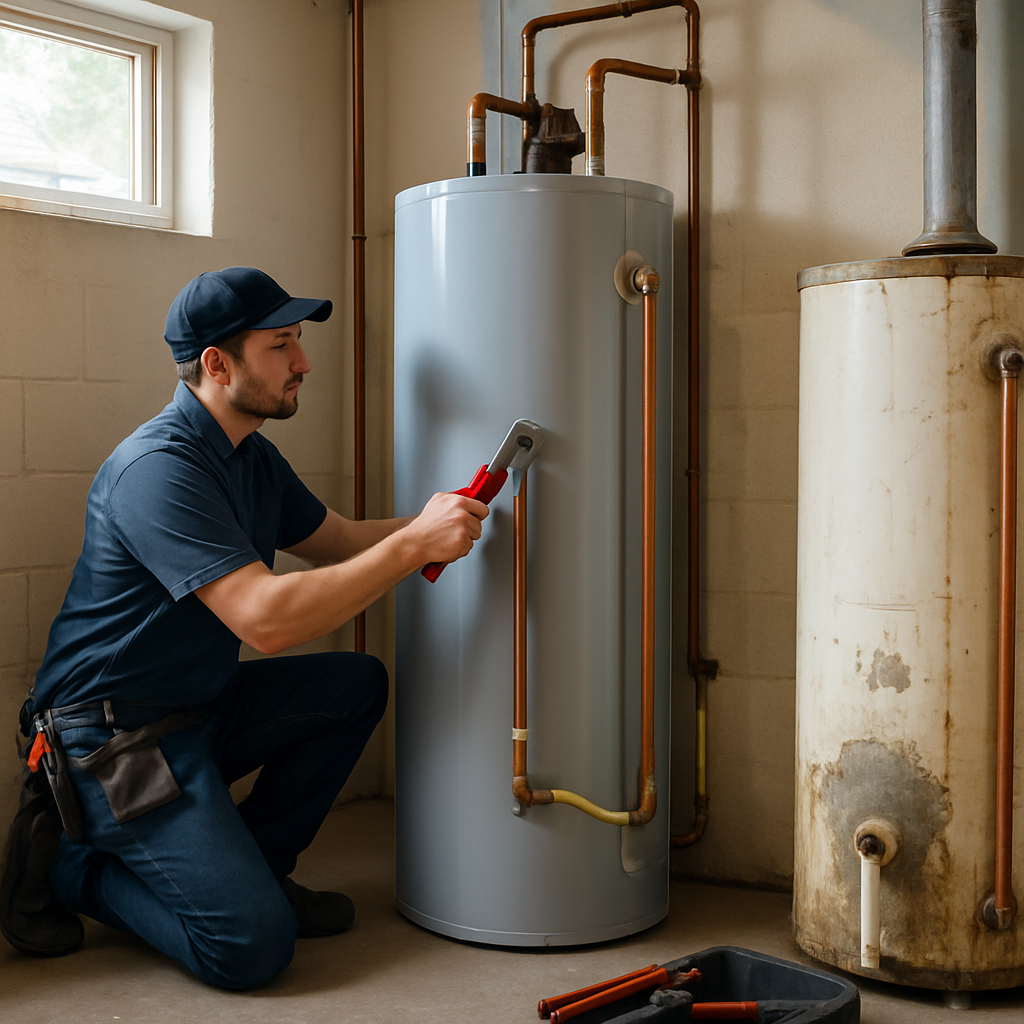
Next consideration: before requesting quotes, confirm your fuel type and whether you want the installer to price necessary gas, venting or electrical work separately — that single step prevents lowball bids and real surprises later. For an apples-to-apples estimate, schedule a site visit with a licensed plumber like River City Plumbing through our contact page.
How to choose between tank, tankless, and heat pump systems in Portland
Start with what your house actually does, not with what the marketing says. Your hot water profile – number of simultaneous showers, laundry run timing, and whether you plan electrification – drives the right technology more than claimed efficiency ratings.
Performance and real-world tradeoffs
Tank systems: simple, predictable delivery for intermittent high-demand events because they store volume. Limitation: standby losses and shorter useful life versus other options, and replacement is the least invasive when space or service connections are tight.
Tankless systems: they eliminate standby loss and can last longer, but they trade high peak flow for continual capacity. In practice a single indoor tankless unit often struggles with two simultaneous showers plus a dishwasher in older Portland houses; multiple units or a properly sized condensing system are common add-ons that raise cost and complexity.
Heat pump water heaters: the most energy-efficient electrical option for the right installation. Constraint: they need warm ambient space and clear airflow; installing one in an unheated garage or tight closet without ventilation reduces performance and can void expected savings despite available rebates from Energy Trust of Oregon.
Practical decision steps for Portland homes
- Measure peak demand: estimate simultaneous fixture use in minutes and convert to gallons per minute (GPM); this tells you if a tankless needs boosters or a tank is more appropriate.
- Check site constraints: note available airflow, clearance, venting routes, and electrical panel spare capacity — these items determine whether a heat pump or tankless triggers additional trades.
- Factor service interruptions: if you need minimal downtime, an in-kind tank swap is fastest; conversions often extend scheduling because of permits and multi-trade coordination with electricians or gas fitters.
- Calculate lifecycle cost with local rates: include Portland electricity and gas pricing and any qualifying rebates from Energy Trust of Oregon to see if higher upfront cost actually pays back.
Real-world application: In a 3-bath duplex in North Portland I recommended a hybrid approach — a mid-size tank paired with a point-of-use tankless at the master suite. That solution avoided a full gas-line upsizing and delivered reliable simultaneous hot water without the project cost and venting complications of replacing with a single large tankless unit.
Judgment that matters: homeowners often believe tankless always lowers bills. In practice, unless your usage pattern matches continuous moderate flow or you eliminate gas entirely, tankless savings are modest after you add required venting, maintenance, and possible hard-water descaling in Portland area supply conditions.
peak GPM, inspect venting and electrical capacity, estimate permit needs with Portland BDS, and include separate line items for gas or panel work before you accept any quote.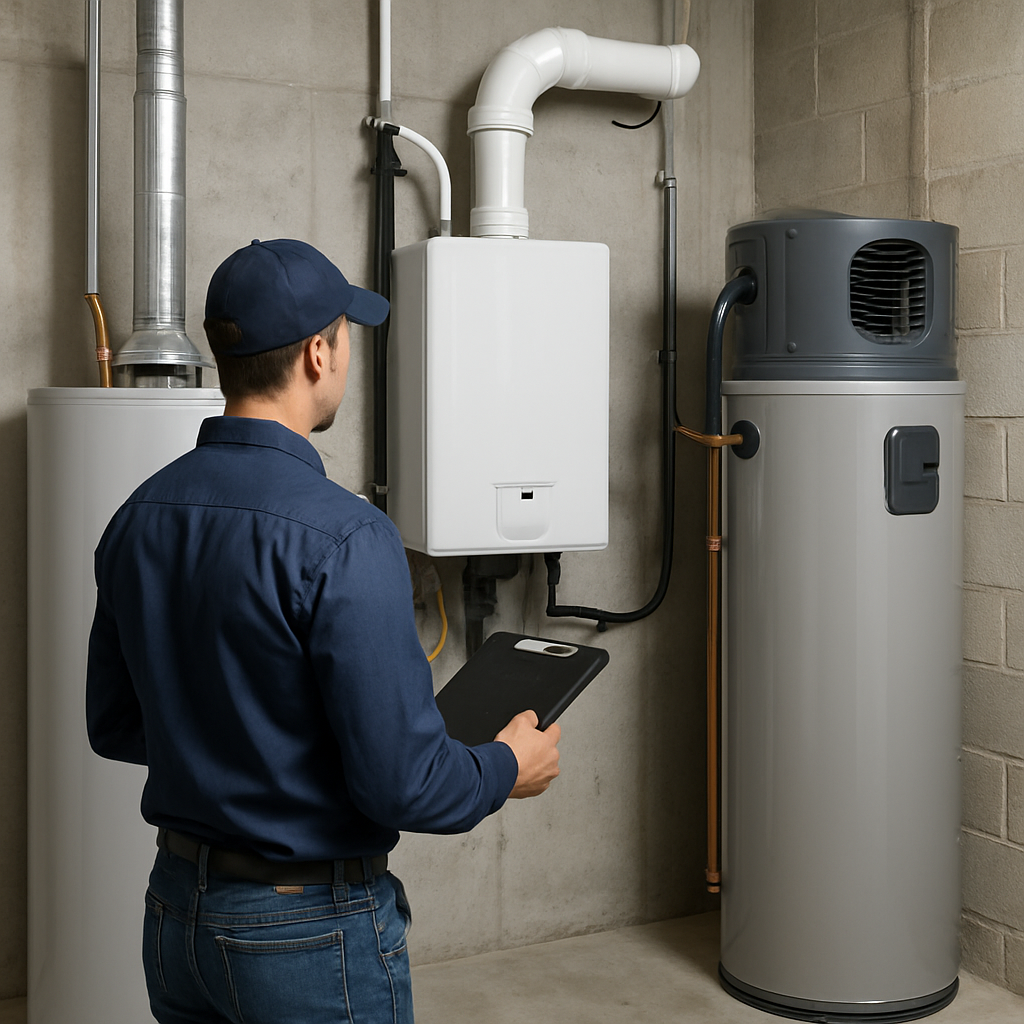
Next consideration: schedule a site assessment with a licensed plumber who will size your demand and flag hidden upgrades; in Portland that up-front check is the single action that prevents the most cost surprises during water heater replacement portland.
Step by step installation timeline and how long replacement actually takes
Straight answer: a simple like-for-like swap is usually completed within a single technician shift, while conversions or efficiency upgrades commonly require coordinating other trades and can stretch to multiple work sessions spread over several business days.
Step 1 — Site assessment and written quote
What happens: a licensed plumber inspects access, venting, combustion clearances, gas meter capacity, and the electrical panel when relevant, then issues a line-item quote. Why this matters: missing this step is the most common cause of schedule slippage because unexpected gas or electrical work shows up only after the old unit is removed.
Step 2 — Permits and pre-scheduling
Typical flow: the contractor files a plumbing permit with the Portland Bureau of Development Services and books both the install and inspection windows. Practical note: expect the permit + inspection coordination to add a few business days of lead time unless the contractor has an expedited relationship with the inspector. See Portland BDS for permit requirements.
Step 3 — Day of work (what actually happens)
- Remove old unit and prep: isolate water and gas/electric, drain tank, and remove the old heater; this can reveal hidden issues like corroded fittings or obstructed vent runs.
- Install and connect: mount new unit, make water, gas and/or electrical connections, install required seismic straps, pressure relief and expansion devices, and perform leak and combustion checks.
- Commissioning and cleanup: set thermostat, demonstrate operation, leave model/serial/warranty paperwork, and dispose of the old tank responsibly.
Timing reality: for most in-kind tank replacements the on-site work often fits into one continuous job day; conversions to tankless or heat pump systems frequently require extra time for vent modification, gas line upsizing, or electrician coordination and may involve a follow-up visit for final hookups or commissioning.
Step 4 — Inspection and final sign-off
Inspector focus: code compliance for venting, combustion air, seismic protection, connections and proper permits. Homeowner role: be available or allow contractor access for the inspection booking and retain the final permit closeout paperwork for warranties and resale.
Contingency planning: common delays come from hidden corrosion, tight access requiring cutting and patching, and upgrades to gas or electrical panels. Those items add costs and calendar days because they often require separate licensed trades and their own inspections.
Concrete example: In a Portland bungalow I managed, a planned tank-to-heat-pump swap required an electrician to add a dedicated 240V circuit. The job ran over two scheduled days: the plumber removed the old tank and prepped plumbing on day one, the electrician completed the circuit on day two, and the installer returned later the same day to commission the new heat pump and pass inspection. Staging the trades ahead of time avoided a third return trip.
Judgment that matters: contractors who promise a single-day conversion without confirming venting, gas capacity, and panel availability are often optimistic. In practice, accurate scheduling depends on the pre-install inspection and the contractor taking responsibility for permits and any required subcontracted work.
Action step: if timing is critical, tell the plumber up front you need a work plan with day-by-day milestones and a permit timeline; if you want help, schedule a site visit with River City Plumbing through our contact page.
Portland code, permit and safety considerations that affect replacement
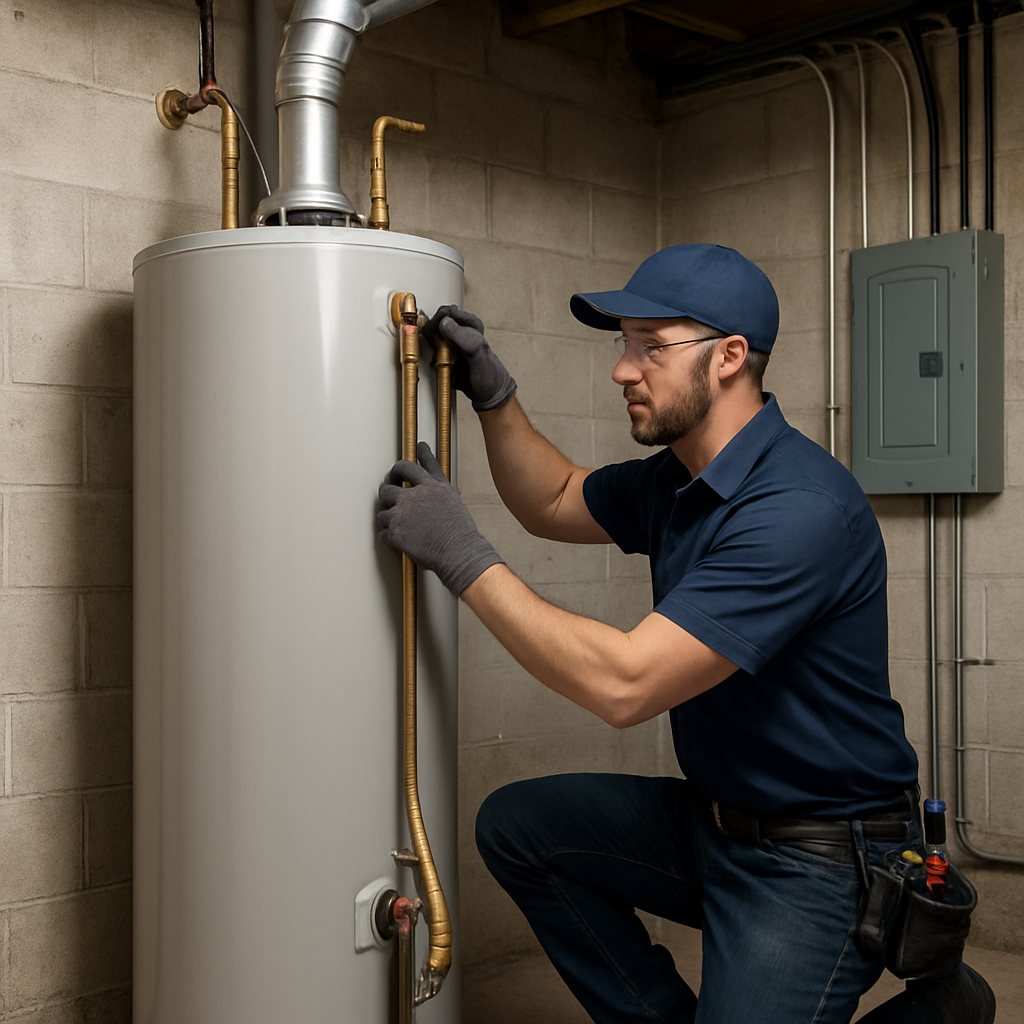
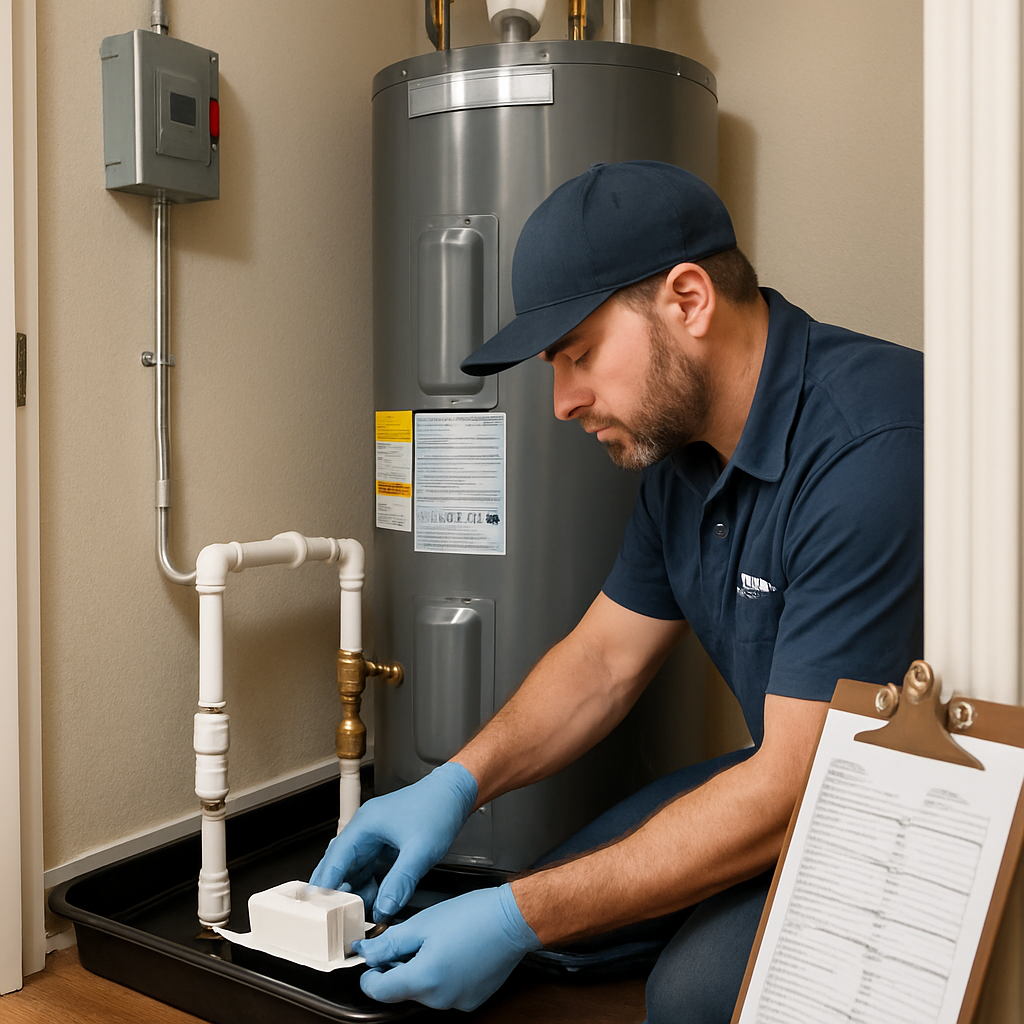
Straight fact: building code and inspection requirements are the common reason a straightforward water heater replacement portland job becomes a multi-trade project. When an inspector identifies a missing pan drain, an improper condensate discharge, or an undersized gas riser, the contractor must stop, correct, and re-inspect, which adds time and cost.
Less obvious code items that often add work
- Secondary drain pans: required for heaters above finished spaces in many installations; the pan drain must terminate to an approved location – not the crawlspace – and that routing can require cutting floors or adding a condensate pump.
- Temperature limiting and anti-scald controls: when a replacement increases output or serves vulnerable occupants, the inspector may require a mixing valve to limit outlet temperature to reduce scald risk.
- Condensate handling on high-efficiency units: modern condensing tankless and heat pump water heaters produce acidic condensate that needs neutralization and an appropriate drain connection.
- Gas appliance prep: a sediment trap, a shutoff location, and proper vent termination clearances are frequently enforced; municipal gas utility involvement is sometimes required for meter capacity checks.
- Electrical disconnects and panel capacity: heat pump installs often need a dedicated 240V circuit and a labeled disconnect; lacking panel capacity triggers electrical permit and contractor scheduling.
Practical tradeoff: doing the work right now rather than skirting permits avoids a failed inspection and the cost of ripping out later, but it increases the initial estimate. That is a deliberate tradeoff between short term expense and long term liability and resale clarity.
Emergency replacement guidance: emergency or hazard situations can justify a same-day swap under Portland rules, but the job must be documented and a permit typically filed after the fact. Do not accept verbal assurances from an installer that permits are optional; ask them to cite the permit number and show the filing receipt or provide a written plan for permit closeout. See Portland Bureau of Development Services for permit contacts.
Concrete example: a second-floor leak led a homeowner to request emergency replacement of a failing tank. The new unit fit the old connections, but the inspector required a secondary pan with a routed drain to the exterior because the unit sat over living space. Adding that drain and a small condensate pump added a half day of work and a visible line item on the final invoice.
What inspectors look for that surprises owners: clear vent termination distances to windows and air intakes, a visible and accessible appliance shutoff, properly piped pressure relief valve discharge, and documentation that any fuel conversion met manufacturer instructions. These are non negotiable on final sign off.
Judgment: a low bid that omits permit fees or paperless work is a red flag. In Portland the cheapest installed price is rarely the least expensive outcome after inspection corrections, failed rechecks, or missing rebate documentation. Pay for clarity up front and require line items for code-driven components.
Rebates, incentives, and lifecycle cost considerations for Portland homeowners
Rebates can change the decision from theoretical to practical, but only when you treat them as part of the project scope. For water heater replacement portland, Energy Trust of Oregon is the primary source of utility incentives for heat pump water heaters and efficiency upgrades; federal incentives or state programs may also apply, so confirm eligibility before you sign a purchase order.
How incentives affect the math
An incentive reduces the effective upfront cost, but it does not change site suitability, permit needs, or maintenance obligations. Practical tradeoff: homeowners who chase the biggest rebate without a pre-install eligibility check commonly get denied and lose both time and bargaining leverage. Require your installer to confirm program rules and document what they will supply for rebate paperwork.
Worked calculation you can use: assume a conventional electric tank installed cost of $1,800 and annual energy cost of $750. A heat pump install costs $4,200 and runs about $300 per year. The annual saving is $450. If a rebate reduces the heat pump price by $1,000, the incremental outlay becomes $1,400 and the simple payback is 3.1 years (1400 / 450). Use this method with your actual quotes and local utility rates to test whether the upgrade makes sense for your home.
- Pre-approval check: verify that the model and installer meet Energy Trust requirements before purchase and ask for a written promise that the contractor will provide required invoices and model/serial numbers.
- Document everything: save permits, the contractor signed invoice, model/serial numbers, and the permit closeout — rebates are often denied for missing paperwork.
- Include rebate in the quote: ask that the installer list the gross price, the expected incentive, and the net price so you see the real cash flow impact and who is responsible if the rebate is denied.
Lifecycle costs go beyond energy bills. Account for regular maintenance like tankless descaling, heat pump airflow clearance, and periodic anode replacement for tanks. Also include expected service life in your math: tanks typically need replacement sooner than tankless units, but replacing a failed tank is cheaper in the short term and less invasive for most Portland homes.
Practical limitation: rebates do not cover code-required corrections. If an installer finds you need a condensate neutralizer, a new pan drain, or an electrical panel upgrade for a heat pump, those are typically out-of-pocket and can erode the projected payback. Treat the pre-install site assessment as an investment in avoiding that exact outcome.
Concrete application: a Portland homeowner I worked with chose a heat pump after the installer confirmed a 240V circuit and adequate utility rebate eligibility. The installer included rebate paperwork in the bid and scheduled the electrician before delivery. Because the sequence was planned, the project closed in two site visits and the homeowner captured the full incentive without delay.
Final judgment: rebates can make heat pump systems the right economic choice in Portland, but only when you verify eligibility up front, include incentive handling in the contract, and factor in maintenance and any code-driven upgrades. If your installer hesitates to put rebate responsibilities in writing, treat that as a sign to get a second opinion.
Selecting a contractor and evaluating quotes in Portland
Start with verifiable credentials: ask every bidder for a plumbing license number, proof of general liability insurance, and a workers compensation certificate. Then confirm the license through the Portland permitting office at Portland BDS. A local license plus an established Portland service address matters — it makes permit handling and post‑install callbacks far simpler than hiring an out‑of‑area low bidder.
What a useful quote looks like
Demand an itemized bid: the quote should separate appliance, labor hours, permit fees, disposal, and specific upgrade line items (gas line, venting, electrical). Vague flat fees hide change orders. If a contractor refuses to break costs down, treat the quote as unreliable and get another one.
- Warranty clarity: who handles warranty service — manufacturer only, or does the installer warranty labor for a defined period?
- Permit responsibility: will the contractor file and pay for the permit and schedule inspections, or is that left to you?
- Change order policy: how are unforeseen items priced and approved on site?
- Response times: what's the average turnaround for non‑emergency repairs and for same day water heater service Portland or emergency water heater replacement Portland?
Practical tradeoff: a cheaper upfront bid often shifts risk back to you through vague scopes or hourly pricing. Paying 10–20 percent more for a clear, fixed‑price scope that includes permits and CO checks usually saves time and reduces total cost when inspectors flag required corrections.
Concrete example: a homeowner in Sellwood received two quotes: a $2,900 bundled price and a $3,900 itemized bid. The lowball failed inspection because the venting needed stainless liner work; the resulting change order and reinspection added roughly $1,400 and two weeks. The itemized contractor had pre‑priced the venting and completed the job on the original schedule.
Check service depth, not just price: verify the installer has done the specific work you need — electric water heater installation Portland, gas water heater replacement Portland, or tankless water heaters Portland. Ask for recent project references in Portland and look for local reviews mentioning permit handling and inspection pass rates.
Good contractors sell clarity: an accurate quote names models, lists line items, assigns responsibility for permits, and gives a realistic calendar for work and inspection.
Maintenance, expected lifespan, and signs it is time to replace
Maintenance delays replacement, but only when done correctly. Routine care is the single most cost effective way to extend a heater's usable life and avoid emergency replacement, yet most homeowners skip the few quick checks that prevent a premature failure. In Portland, that gap between skipped maintenance and a midwinter failure is the moment most people call for emergency water heater replacement portland.
What maintenance actually matters. Prioritize three actions: keep the combustion or airflow path clear, remove sediment where applicable, and inspect sacrificial components that fail before the tank or heat exchanger. These tasks reduce corrosion, preserve efficiency, and cut the frequency of emergency calls for hot water heater repair Portland.
Who should do what and why
| Task | Why it matters | Who should handle it |
|---|---|---|
| Inspect pressure relief and discharge piping | Prevents catastrophic overflow and water damage in living spaces | Licensed plumber or qualified service tech |
| Check and replace anode or sacrificial components | Slows corrosion inside tanks and postpones tank failure | Plumber if you are not comfortable with basic tools |
| Descale or flush heat exchanger / tank | Maintains flow and efficiency – especially in hard water areas | Technician for tankless descaling; homeowner can flush tanks if confident |
| Verify condensate and ventilation routes | Keeps high-efficiency units safe and prevents acidic condensate damage | Certified installer or plumber |
Practical tradeoff to accept. If a repair is narrowly focused – a thermostatic element or a replaceable valve – pay to repair. If the system shows multiple failure modes at once – e.g., leaking fittings plus a corroded heat exchanger and heavy sediment – replacement is usually the better financial and reliability decision. Repairs that patch symptoms often just reset the countdown to the next failure.
Concrete example: A homeowner in Southeast Portland reported rumbling and intermittent hot water. The plumber found heavy sediment and a failing anode. The technician recommended flushing and an anode replacement, then scheduled a follow up inspection. That repair restored reliable service for several years and delayed full replacement; conversely, another house with visible tank weeping required immediate replacement because a patch would have been temporary and more expensive over time.
Common misunderstanding. Many people think tankless units are maintenance free. In Portland area water conditions, tankless systems require periodic descaling and filter checks; skipping that work reduces lifespan and often negates the projected lifecycle savings touted by manufacturers.
If you are unsure, schedule a single diagnostic visit with a licensed plumber for an itemized assessment – that one visit usually reveals whether a targeted service will restore life or whether replacement is the prudent move.
Takeaway: Regular, documented maintenance reduces emergency replacement risk and gives you a clear, evidence based decision when a unit faces multiple failure signs. If documentation is missing from your last service, get a diagnostic inspection before you accept a high repair bill or commit to replacement.