
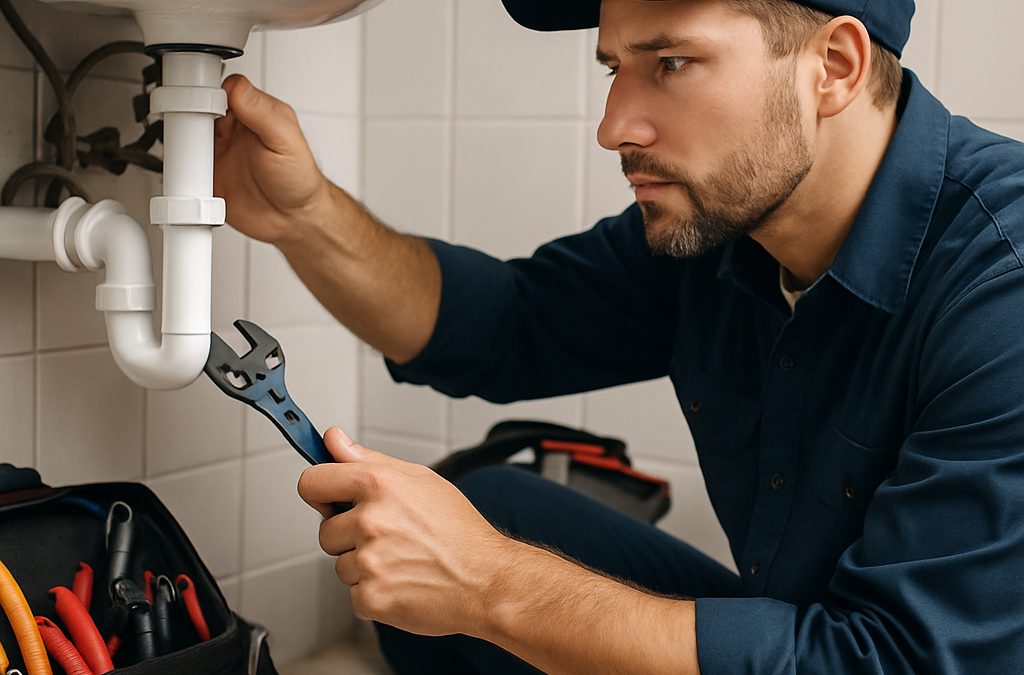
Preparing for Your Plumbing Appointment: What Technicians Need to Diagnose and Fix the Problem
If you have a plumbing appointment coming up in Portland, a few simple steps before the technician arrives can cut diagnostic time, lower costs, and prevent avoidable damage. This short guide shows exactly what to photograph and note, which valves and breakers to shut off, how to clear access for a technician, and what you should never try yourself. It also explains when local permits and inspections usually apply so you can schedule efficiently and avoid surprise delays.
Pre-Visit Checklist to Reduce Diagnostic Time
Do this before the technician arrives and you will often cut diagnostic time in half. Spend 10 to 15 minutes gathering a few targeted items: photos or short videos showing the symptom, appliance nameplates, a brief timeline of when the problem started or changed, and any recent work or freezes that might be related.
- Photos and short videos: capture the fixture, visible piping, and the appliance nameplate with model and serial numbers.
- Timeline note: record when the issue began, whether it is constant or intermittent, and the last time the fixture worked normally.
- Access and keys: unlock gates, basements, or labeled mechanical rooms; provide keypad codes or leave a signed authorization if you cannot be present.
- Shutoffs and breakers: locate the nearest angle stop and the main shutoff; for electric water heaters, note the breaker location but do not touch gas meters.
- Paperwork folder: scans or photos of previous permits, receipts, and plumber invoices can prevent permit delays and duplicate work.
Practical trade-off: sending photos and model numbers with your plumbing appointment request often produces a realistic preliminary estimate and lets the tech bring likely parts. But expect a limitation: intermittent leaks or noises may still require on-site testing or a camera inspection, so a first visit might be diagnostic-only if the failure cannot be reproduced.
Concrete Example: a homeowner with a slow kitchen sink drain recorded a 30-second video showing water pooling at the basin and a photo of the garbage disposal nameplate. Because the photos showed a clogged P-trap and the disposal model, the technician brought a replacement P-trap and a disposal cartridge and completed the repair during the first visit, avoiding a return trip.
What to avoid and why: do not attempt to disassemble gas connections, cut main lines, or run power to appliances if water is present. These are common misguided attempts to speed repairs that create safety hazards and often increase overall cost when a licensed technician must correct improper DIY work.
Local paperwork note: for jobs that may need a permit in Portland, have any prior permit numbers or contractor receipts ready. River City Plumbing can advise whether a permit is required and help with permit coordination; for official rules see City of Portland Bureau of Development Services.
Three quickest actions that save time: photograph the nameplate, video the symptom in under 30 seconds, and clear a 3 foot working area around the problem.
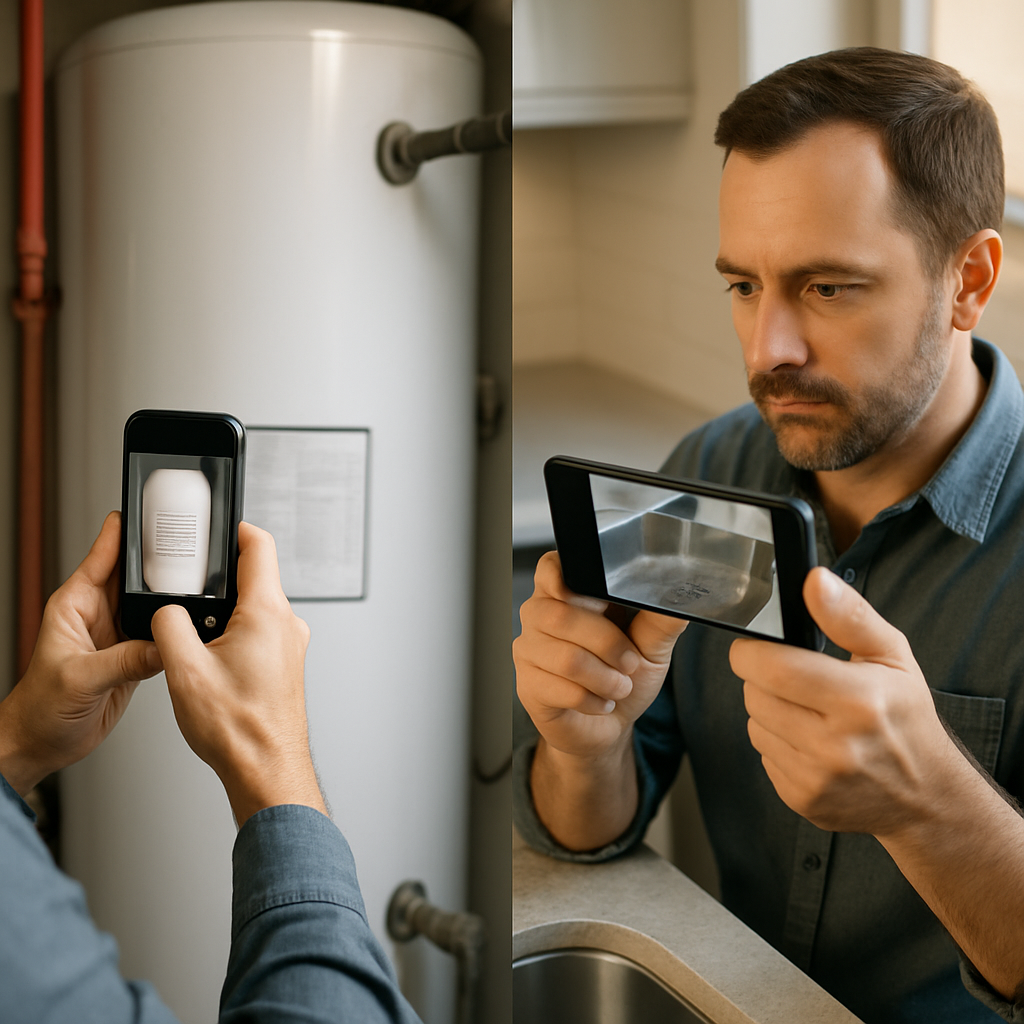
Next consideration: when you schedule a plumbing appointment, attach photos and a short timeline through the booking or call so the dispatcher can prioritize same day plumber appointments when the problem is active and decide whether to send a tech with camera equipment or parts. For quick plumber booking and to send photos ahead, use our contact page.
Exactly What Information Technicians Need
Technicians need three concrete things up front: a clear symptom profile, accurate equipment and pipe identification, and site-access details. Delivering those reduces guessing on arrival and prevents needless parts orders or follow-up trips.
Symptom details that actually help
- Exact behavior: note whether the issue is constant or only when you run hot water, after several minutes, during heavy use, or in cold weather.
- Trigger and frequency: say what action reproduces it (flushing, dishwashing) and how often it happens per day or week.
- Secondary signs: report smells, gurgling, pressure drop, discolored water, or electrical tripping — these clues narrow the diagnosis.
- What you tried: describe temporary fixes already used (bailers, plungers, tape) so the tech knows what to inspect first.
Practical consideration: intermittent problems remain the hardest. Even with great photos, if a leak or noise does not present while the tech is there, expect time spent on testing (pressure checks, dye tests, camera runs). That is often unavoidable and can turn a single visit into a diagnostic-only call.
What to identify about equipment and piping
Technicians rely on identifiers more than brand names alone. Provide appliance nameplate photos, visible model or serial codes, and a clear shot of the nearby pipe material. Tell us if piping looks old galvanized, copper, CPVC, or PEX — each implies different fittings and parts. Also note installed devices such as softeners, backflow preventers, or a sump pump model.
Trade-off to keep in mind: sending photos of every panel and pipe is useful but be mindful of privacy and account security. Share utility company names (for example NW Natural) and meter locations rather than posting full account numbers in public booking fields.
Concrete Example: a landlord sent a close-up of a 2006 electric water heater label plus a photo of the flue connection and basement access ladder. The technician recognized the discontinued vent adapter, brought the compatible replacement, and completed the swap the same day instead of scheduling a parts order.
What people misunderstand: many homeowners assume brand names are enough. In practice, age codes, pipe type, and any previous DIY patches determine whether a technician can finish the job on the first visit. Accurate photos and clear access information still matter more than a long description.
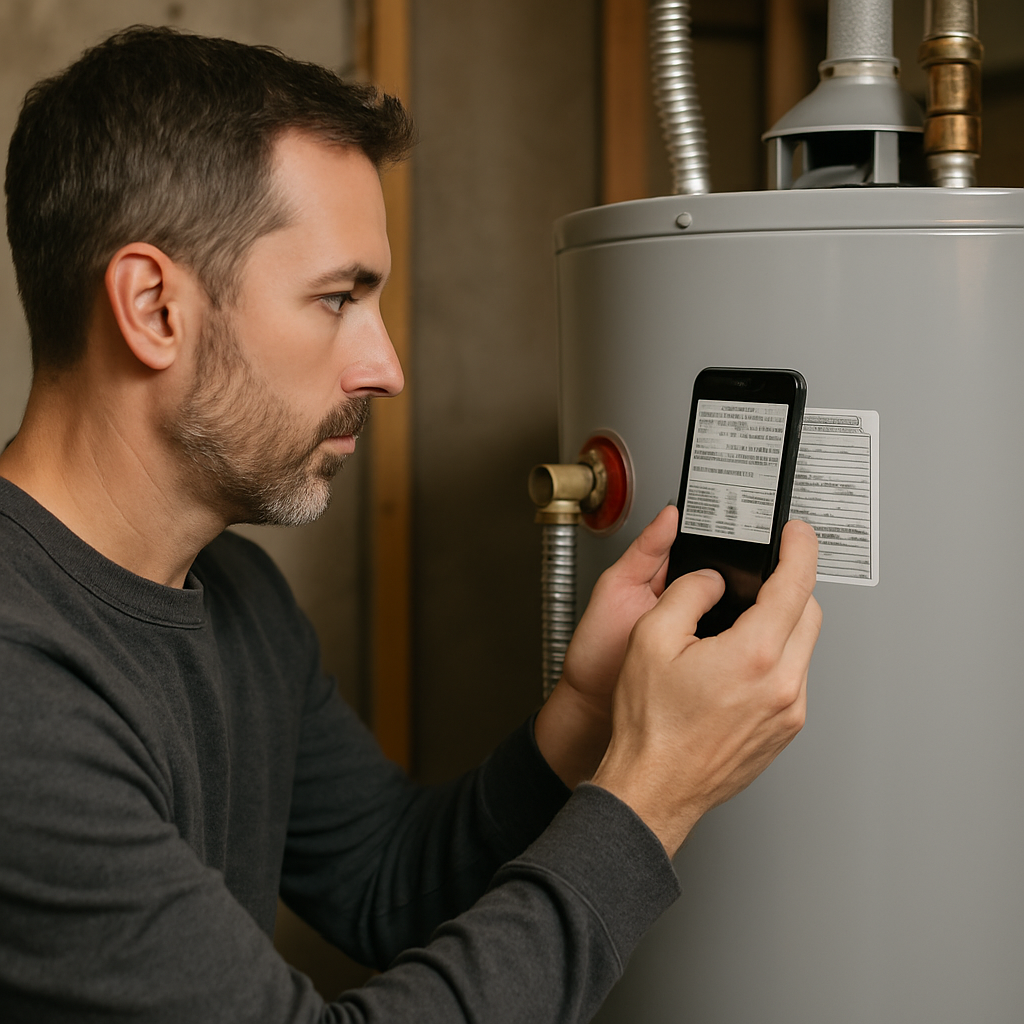
When you book a plumbing appointment, attach the symptom notes and images to your request or call them in. That small step shifts a repair from guesswork to a planned job and increases the chance of same-day completion—see our contact page when you schedule.
Access and Space Preparation
Clear, predictable access changes outcomes. When technicians arrive to a cluttered hallway, locked mechanical room, or no parking, the job turns into logistics and wait time instead of repair work. Think of access as part of the service you hire: arrange the path, parking, and entry the same way you would reserve a contractor for a job that needs heavy tools and sometimes a second technician.
Practical access steps to handle before the plumbing appointment
- Label and stage keys or codes: place keys in an obvious spot, put keypad codes in the booking notes, or install a temporary lockbox. If you share codes, plan to change them after the visit to protect security.
- Reserve parking and elevator access: tell the dispatcher if driveway or alley permits are required, and schedule an elevator window for high-rise service so the tech is not delayed waiting for building staff.
- Protect and clear the work zone: move small furniture, fragile items, and floor rugs away from the area where the tech will work; put a towel or bench under work surfaces if you cannot move everything.
- Provide power and light: leave a clear outlet nearby or a working porch light for evening appointments so technicians do not waste time hunting for power or setting up temporary lighting.
Trade-off to consider: technicians can and will move lightweight items, but extensive furniture removal or appliance moves increase labor time and may incur extra charges. If moving a stove, washer, or heavy cabinet falls to you, arrange help beforehand or accept that the tech may need to return with additional personnel.
Confined spaces and special access costs: tight crawlspaces, locked pits, or roofs often require extra equipment, a two-person crew, or safety measures that affect scheduling and price. If your setup includes a narrow side yard, a basement with a fixed ladder, or an attic hatch, tell us when you book the plumbing appointment so the dispatcher sends the right truck and crew.
Concrete Example: In a multiunit building in SE Portland a tenant emailed the building entry code, reserved an alley parking pass, and left a labeled mechanical-room key in reception before the scheduled appointment. The technician completed a water heater repair on the first visit because there was no wait for access or parking. Contrast that with a locked basement door where the tech waited 45 minutes for building maintenance—then had to reschedule.
Final practical judgment: plan access before you call. A few minutes setting up keys, sending codes, and clearing a path when you schedule a plumbing appointment routinely prevents a wasted visit and often means the problem is fixed the same day. For fast booking and to send access notes or photos, use our contact page.
Safety Steps Homeowners Can and Should Take Before Arrival
Immediate priority: stop ongoing damage and remove hazards before the technician arrives. Take actions that are reversible and safe for a non-professional—avoid anything that requires tools or work on a gas connection.
What you can safely do yourself
Shut the right valve: locate the closest angle stop under the affected fixture and turn clockwise to close. If the leak is widespread or you cannot find an accessible angle stop, shut the house main. Turning a valve hard without knowing which one is which can cause damage, so pause if you feel unusual resistance.
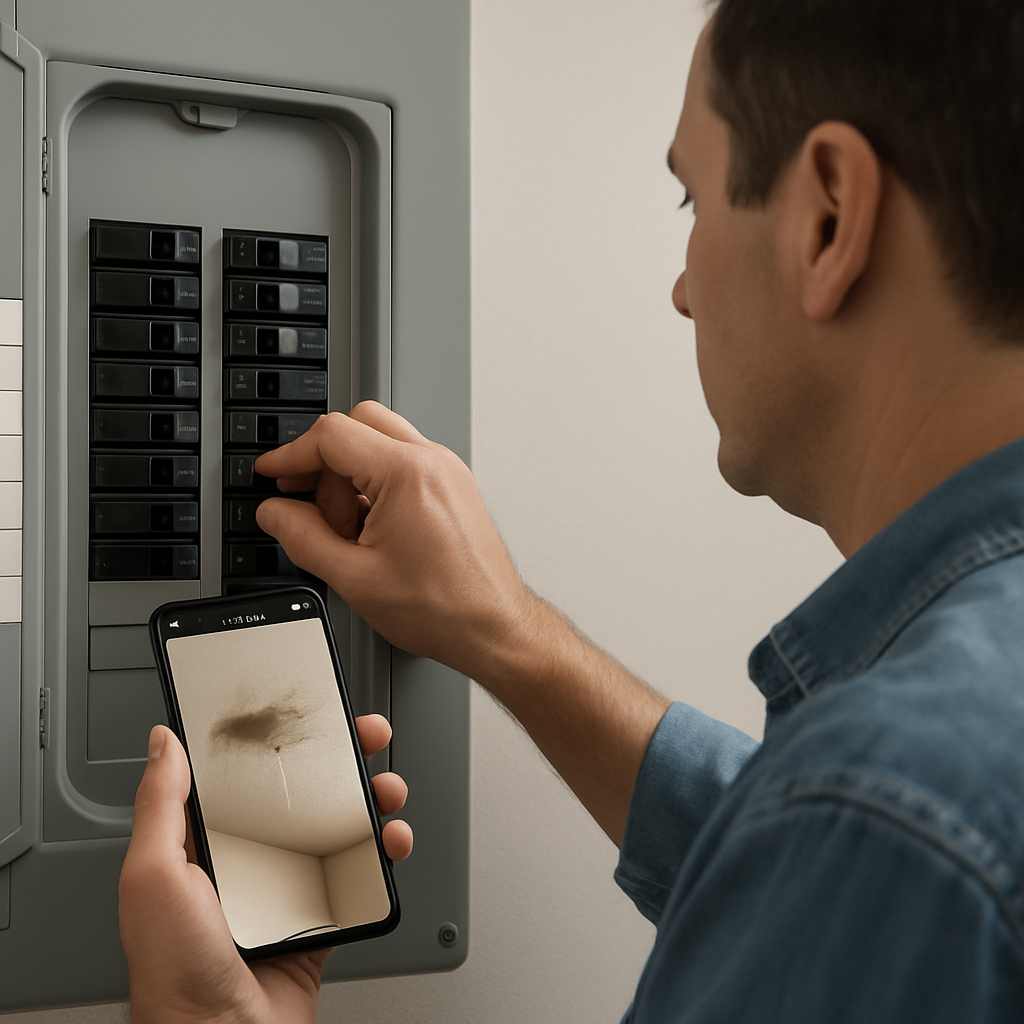
Power control for electric heaters and pumps: if water is contacting electrical equipment, switch off the circuit breaker for that appliance from the panel. Flip the breaker; do not open the breaker box or touch wiring. This prevents shock risk and further electrical damage, but may reset timers or controls that a technician will need to reprogram.
- Contain the leak: place buckets or pans under drips, roll towels to dam smaller flows, and move valuables or electronics away from wet areas.
- Stop wastewater use in affected zones: for severe backups avoid flushing toilets or running washing machines in the same sewage branch to limit contamination and further backup.
- Document condition: take time-stamped photos or a short video of active leaks or standing water — that helps the tech triage during your plumbing appointment and can speed decision-making.
- Secure the scene: keep pets and children out of the work area, clear rugs and fragile items, and leave a light on or a keypad code so the technician can enter safely.
- Avoid risky fixes: do not cut pipes, apply heat, or attempt gas-valve work. These actions commonly make a simple repair into an unsafe, expensive job.
Practical trade-off: shutting off water or power limits ongoing damage but inconveniences occupants. If you cut the main water, expect no plumbing use until the tech arrives; if you kill power to an electric water heater, the unit may need a reboot and pressure checks after the repair. These disruptions are preferable to uncontrolled leaks or electrical hazards.
Concrete Example: a renter in North Portland discovered a steady drip from the ceiling below a bathroom. They closed the upstairs angle stop, placed buckets under the drip, turned off the water heater breaker because the heater closet showed water, and snapped photos. When the River City Plumbing technician arrived with the photos attached to the plumbing appointment, they identified a failed upstairs shower valve and replaced a corroded cartridge the same day, minimizing ceiling damage.
Final judgment: small, reversible actions you can take safely usually reduce repair scope and cost; trying to fix or alter gas and main-service components yourself almost always makes the problem worse. When in doubt, stop, document, and schedule the plumbing appointment with details so the technician arrives prepared.
Common Tools, Parts, and Diagnostic Equipment Technicians May Use
Practical point: most techs arrive with a predictable kit and a handful of diagnostic devices, but they do not carry every specialty part. Knowing what is common versus what requires a special order will help you understand why some plumbing appointment visits finish the job and others end as diagnostics.
What trucks usually stock and why that matters
Truck-stocked parts: service vans typically carry faucet cartridges for major brands, angle stop valves, standard P-traps, slip-joint nuts, common washers and o-rings, and short lengths of copper, PEX, and PVC fittings. These are the parts that let a technician complete many routine repairs during a single plumbing appointment without needing to order material.
Diagnostic equipment: for problems that are not obvious on sight, techs rely on a small suite of tools: drain snakes and sectional augers, a camera inspection system for sewer and long runs, electronic acoustic and humidity-based leak detectors, thermal imagers for hidden leaks, pressure gauges for supply issues, and combustion analyzers or gas detectors for fuel-fired appliances.
| Tool or Part | Typical use on site | What it implies for your plumbing appointment |
|---|---|---|
| Faucet cartridges and O-rings | Replace faulty faucets and stop drips | Often allows same-day repair if model or close-up photos were provided when you booked |
| Drain camera | Locate blockages, roots, and breaks inside sewer lines | Usually turns a vague clog call into a billable camera inspection; may reveal need for excavation or hydro-jetting |
| Electronic leak detector / thermal camera | Find hidden leaks behind walls or under slabs | If used, expect additional time and possibly moisture-remediation recommendations |
| Pressure gauge / flow meter | Diagnose low-pressure and supply issues | Helps distinguish municipal supply problems from on-site faults during the appointment |
| Hydro-jetting or heavy auger (truck mounted) | Clear stubborn sewer or drain blockages | Requires larger equipment and sometimes a two-person crew; dispatch will schedule differently |
Trade-off to expect: sending clear photos and a short description when you schedule increases the chance a technician brings the correct cartridge or valve. Still, compatibility across pipe materials and older nonstandard fittings is a frequent snag; when a tech encounters a nonstandard adapter, the fix often needs a part ordered or a temporary repair followed by a permanent solution.
Common misunderstanding: homeowners assume a plumber can swap any part on the spot. In reality, modern fixtures and older plumbing both create surprises: discontinued parts, proprietary cartridges, and mixed-material plumbing require either exact match parts or a work-around that may be temporary. That is why we sometimes quote a diagnostic fee or reserve a follow-up visit.
Concrete Example: a Portland homeowner reported intermittent low hot water and sent a photo of a tankless water heater label when they booked the plumbing appointment. The technician arrived with a multimeter, a spare flow sensor commonly used on that brand, and replacement gaskets, diagnosed a failing flow sensor, and completed the repair the same day because the make and model were identified in advance.
Next consideration: when you schedule the plumbing appointment, mention if the problem is sewer-line related, behind a wall, or involves a water heater so dispatch sends a technician equipped with the right diagnostic gear. For water heater specific issues, you can reference our water heater repair page or consult guidance from Consumer Reports for background on appliance diagnostics.
Permits, Documentation, and When They Matter in Portland
Start here: assume some repairs will need a permit. Treat that possibility as part of scheduling a plumbing appointment, not an afterthought that shows up on the invoice or at inspection time.
Which jobs commonly trigger permits in Portland: water heater replacements and relocations, any gas-line work or new gas appliances, sewer lateral repairs or major drain reroutes, backflow preventer installs, and significant fixture relocations that change drainage or venting. Scope matters more than price; a small-looking replacement that alters venting or gas connections often requires a permit.
Documents to have ready: a copy or photo of past permits or contractor receipts, the appliance nameplate or model photo, recorded property notes or prior inspection numbers (if available), and any HOA or landlord authorization. Providing these with your plumbing service booking reduces the chance the inspector will flag previous unpermitted work and delay final approval.
Who pulls the permit and why it matters: homeowners can pull permits, but licensed plumbers handle the paperwork routinely and reduce delays. Our experience in Portland is that permit pulls by professionals avoid incomplete submittals, cut back-and-forth with the Bureau of Development Services, and keep warranties intact. The trade-off is a small administrative fee and the need to authorize the contractor to act on your behalf.
Timing and scheduling reality: inspections create schedule windows. Expect an inspector appointment before or after the work depending on the permit type; that typically adds at least one business-day buffer. For urgent repairs technicians can perform emergency work and then file for a permit retroactively, but expect a separate inspection and the possibility that a temporary fix will need a permitted permanent repair.
Practical judgment: do not skip permits to save money. Unpermitted work risks failed resale disclosures, voided insurance claims, and costly rework. Spending a bit more up front for a properly permitted job avoids far larger problems later.
Concrete example: a homeowner needed a gas water heater replacement. The installer identified a noncompliant vent configuration during the plumbing appointment, pulled the required permit, and scheduled the inspection. That added one day to the timeline, but it prevented a failed final inspection and a second visit to rework venting, which would have cost substantially more.
Next consideration: when you book a plumbing appointment, note whether the work might touch gas, sewer, or appliance venting and attach any prior permits or receipts. That single step changes how we staff and plan the job and often determines whether the repair completes on the first visit. See our contact page to send documents ahead of your appointment.
Communication, Estimates, and What to Expect During the Visit
Clear communication up front changes what happens on site. When you book a plumbing appointment, tell dispatch whether the problem is active, include photos or a 10–20 second video, note any access limits, and say if you need same-day help. That information determines which truck and how many technicians are sent.
Estimate types and what they really mean. Expect one of three outcomes: a diagnostic-only visit with a written quote, a flat-rate repair for a well-defined task, or a time-and-materials approach for unknowns (for example, buried sewer defects). Flat rates give price certainty but can be conservative; time-and-materials is honest where unknowns exist but can exceed initial expectations.
Practical trade-off to consider: accepting a same-day temporary repair (hose clamp, bypass, or interim cartridge) stops damage fast and keeps costs down now, but it may shorten the lifespan of the fix and lead to a larger bill later. If longevity matters, insist on a scope that specifies permanent materials and whether permits are required.
On-site decisions and how to handle them. During the visit the technician will explain findings, show the faulty part, and offer options. Ask for the expected lifespan of any temporary measure, a written price comparison between the temporary and permanent options, and whether the permanent fix needs a permit or an inspector visit.
Before you sign the estimate
- Ask about permits: who pulls them and how inspections affect timing (City of Portland BDS is the authority).
- Get warranty details: parts vs workmanship and the warranty duration in writing.
- Request a parts list: model numbers for replaced components and whether replacement parts are new or refurbished.
Payment, deposits, and documentation. Confirm accepted payment methods, any required deposit for parts or permits, and get a final invoice that separates labor, parts, and permit/inspection fees. Keep that paperwork — it matters for warranties and future property disclosures.
Scheduling reality and emergency triage. Same-day plumber appointment requests are triaged: safety risks and active leaks get top priority, while non-urgent issues may be scheduled later. If the tech needs specialized equipment or an inspector will be involved, the repair may be rescheduled rather than completed immediately.
Meaningful judgment: do not feel pressured into an on-the-spot full replacement without documentation or a clear written estimate. Reasonable technicians will pause, document options, and let you decide. For large jobs, get a second written estimate if the cost is material to you.
Concrete Example: a homeowner called about periodic sewage backup and booked a plumbing appointment with photos attached. The technician arrived with a camera and offered two written options: a hydro-jet and monitoring agreement (lower cost, likely temporary) or a full camera inspection followed by targeted excavation if needed (higher cost, permanent). The homeowner accepted the camera inspection; that choice revealed a cracked lateral and avoided repeated temporary fixes.
Get a written estimate with permit responsibilities and warranty terms before approving any work.
Next consideration: when you schedule a plumbing appointment, add a short note about urgency, permit likelihood, and whether you need a same-day visit. That small step changes truck selection and can be the difference between a diagnostic visit and a completed repair. Use our contact page to send photos and notes ahead of arrival.