

Need a Weekend Plumber in Portland? How to Find Trusted, Affordable Help After Hours
When a pipe bursts on a Saturday night, finding a trusted weekend plumber portland is urgent, but you also need to avoid being overcharged or hiring an unlicensed contractor. This short guide gives immediate mitigation steps, fast vetting checks using Oregon CCB and BBB, realistic after-hours pricing expectations, a ready call script, and local contact options including River City Plumbing.
Immediate steps to limit damage before you call a plumber
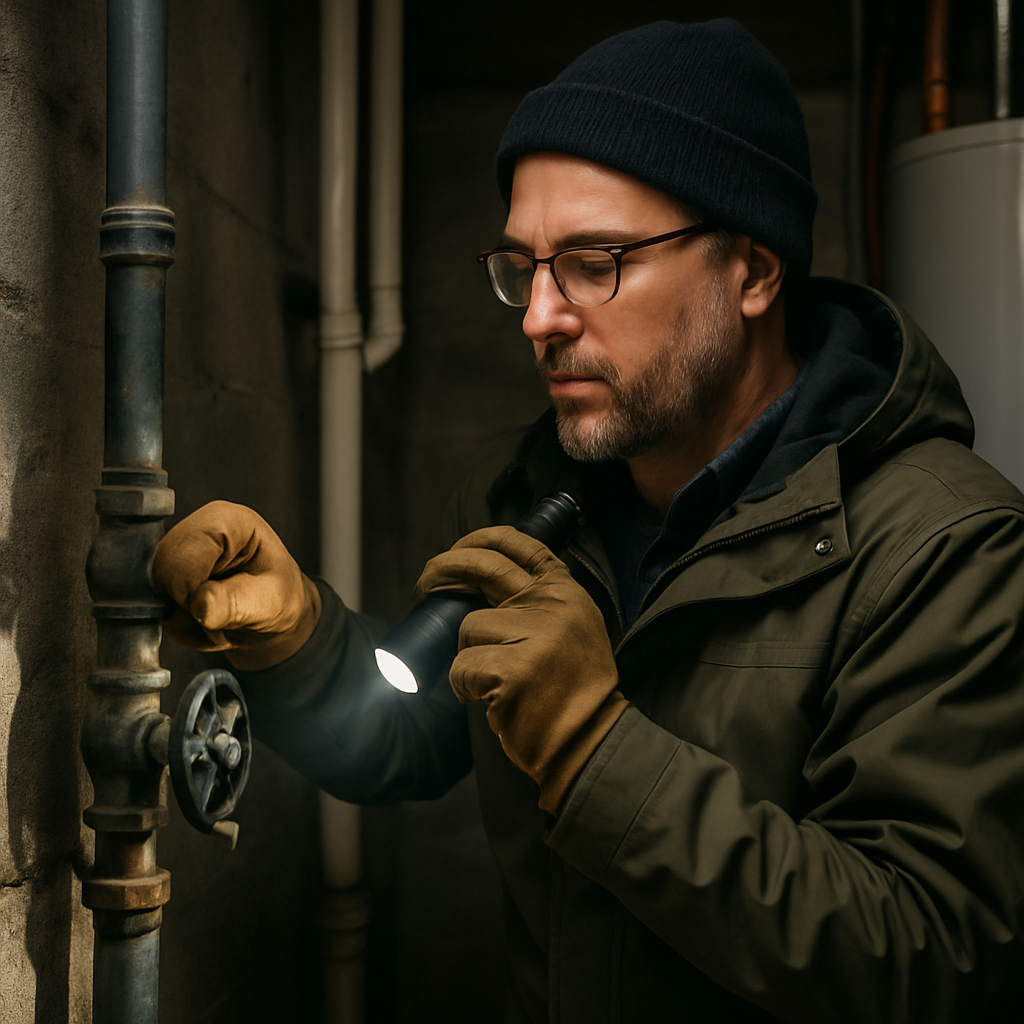
Shut off water first for uncontrolled leaks. Locate your main shutoff valve now so you can move fast: in Portland single-family homes it is commonly at the water meter by the front foundation, in a basement utility area, or inside a crawlspace. Turn a quarter-turn ball valve parallel to the pipe or close a wheel-style valve clockwise. If the shutoff is a curb stop in the street or locked in a meter box, call the water utility — do not try to force it.
Quick mitigation by emergency type
- Burst pipe: Shut the main, open a couple of faucets to drain pressure, then contain water with buckets and towels. Remove furnishings and electronics from the area.
- Active leak under sink: Close the local shutoff valves under the sink if available. If the valve is seized, shut the main and use a bucket to catch the flow.
- Sewage backup: Stop all water use immediately. Do not stand in sewage-contaminated water; take photos from dry ground and call for professional sewage cleanup and a licensed plumber.
- Water heater failure: For electric heaters, turn off the circuit at the breaker. For gas heaters, turn off the gas only if you smell gas and leave the house; otherwise call the gas company or a licensed plumber for guidance.
- Clogged drain with overflow risk: Shut off fixtures upstream, avoid chemical drain cleaners that can worsen clogs, and contain overflow with towels and buckets.
- Isolate fixtures: Many leaks can be contained by shutting a single fixture valve (toilet, washing machine, dishwasher) rather than shutting the whole house off.
Trade-off to consider: Shutting the main stops further water damage but also disables toilets, sprinklers, and any systems that rely on water. In multiunit buildings or if you need hot water for medical devices, isolate at the fixture if possible and acceptable. Your priority is limiting structural damage and electrical risk; diagnostics and permanent repairs can wait until professional arrival.
Concrete example: In an inner southeast Portland bungalow a frozen winter pipe burst behind a kitchen cabinet. The homeowner shut the main, opened an upstairs faucet to drain lines, moved rugs and a console TV, and photographed the damage. That immediate action limited water penetration to finish floors and reduced the contractor repair scope to a single section of pipe and cabinet trim rather than full floor replacement.
- Safety first: Kill power to flooded circuits if you can do so safely from the breaker.
- Shut water: Close the local valve or main shutoff to stop flow.
- Relieve pressure: Open a cold faucet at the lowest point and one upstairs to drain system pressure.
- Contain and protect: Move valuables, set buckets, and use towels to block water paths.
- Document: Time-stamped photos and short video are essential for insurance and for the plumber to assess urgency.
- Call help: Contact a licensed weekend plumber Portland or River City Plumbing Portland Plumbing Services for emergency response and tell them you already shut the water.
Where to find a weekend or after-hours plumber in Portland
There are five practical channels to find a weekend plumber in Portland: local company emergency lines, review marketplaces, neighborhood networks, professional referrals, and Google map results. Each gets you to help fast, but each has a different tradeoff between speed, vetting, and price.
- Local company emergency pages: Check the company emergency or Portland service page for after-hours contact. For a local option see Portland Plumbing Services | River City Plumbing. Advantage – direct line to a known shop. Limitation – some sites advertise emergency service but use subcontractors after hours.
- Review platforms: Use Yelp, Angi, HomeAdvisor, and BBB for reputation signals. Advantage – quick read across multiple jobs. Caveat – reviews can be old or gamed; do not treat high rating as license verification.
- Neighborhood networks: Nextdoor or local Facebook groups give real-time neighbor referrals and arrival expectations. Advantage – realistic ETA and cost hints. Tradeoff – neighbor referral does not replace a license check.
- Professional referrals: Building super, property manager, or local tradespeople often know reliable weekend techs. Advantage – vetted by local pros. Limitation – may be biased toward firms that pay referral fees.
- Map pack and green listings: Search for
weekend plumber portlandor24-hour plumber Portlandon Google Maps and check business hours, posts, and recent photos. Advantage – fastest for distance and number. Drawback – advertised 24-hour status is not proof of licensing or insurance.
Quick channel comparison
| Channel | Speed | Vetting | Cost signal |
|---|---|---|---|
| Local company emergency page | Fast | Medium – verify license on call | Medium – may be standard emergency fee |
| Review platforms | Medium | Low-Medium – use for reputation checks | Variable – can be more expensive for after-hours |
| Nextdoor / neighborhood | Fast | Low – relies on personal trust | Often cheaper but not guaranteed |
| Professional referrals | Medium | High – vetted by other pros | Often fair – long term relationships |
| Google map pack | Fastest | Low – must ask for license | Varies widely |
Practical insight: In practice the fastest route is not the most vetted. A neighbor referral or map pack hit often gets a tech on site quickly, but you will still need to verify Oregon CCB licensing and insurance on the call. Verifying on the spot is simple and non negotiable – a fast arrival with no license is a risk you do not want.
Concrete example: A homeowner in Northeast Portland found a late night sewer backup via a Nextdoor post. They used the poster recommendation to call a local company, confirmed the technician's Oregon CCB license number while on the phone, and used the company Portland service page to confirm contact details. The tech provided a temporary containment and scheduled the permanent repair for daytime, which reduced immediate damage and avoided a rushed full replacement at night.
Always confirm Oregon CCB license number and whether the technician is an employee or subcontractor before authorizing work.
Next consideration – decide which channel you will use based on how urgent the problem is and how much vetting you can do in one call. The next section gives a one call vetting checklist so you can move from find to hire without guesswork.
How to vet a weekend plumber fast in Portland
Start with three fast checks: license, insurance, and recent local reliability. If a contractor fails any one of these under time pressure, you should treat them as high risk and keep looking.
Minute-by-minute vetting checklist
- Get the basics on the call: company name, technician name, and a direct mobile or office number.
- Ask for their Oregon CCB license number and verify it immediately at Oregon Construction Contractors Board. Look for active status and any disciplinary notes.
- Request proof of insurance and workers compensation — get the carrier name and policy number you can call to confirm.
- Scan local complaints: check the BBB Portland, Yelp, and recent Angi/HomeAdvisor entries for problems in the last 12–24 months.
- Confirm basic pricing terms: emergency callout fee, hourly or flat-rate, and whether parts include markup.
- Identify red flags: refuses to provide license/insurance, asks for full cash up front, or gives only verbal estimates.
How to read a licence entry fast: on the CCB lookup look for active/expired, classification (plumbing or general), and bond or disciplinary history. An active license with no complaints and a local address is not a guarantee, but it removes the biggest legal risk.
Trade-off to accept: in urgent cases a qualified solo technician with a truck and verified license may be faster but offer limited on-site billing transparency. A larger plumbing company may take longer to dispatch but typically provides clearer estimates, paperwork, and a warranty.
Concrete example: At 11:20 p.m. a homeowner found a burst pipe. They asked the caller for the CCB number, verified the active license on the Oregon CCB site, and confirmed the insurer before authorizing emergency shutoff and temporary repairs. That one-minute verification avoided paying a non‑licensed contractor to cut into finished flooring.
Practical judgment: online reviews matter, but look for patterns not star averages — repeated similar complaints (bait-and-switch pricing, no-show, poor clean-up) are far more telling than a single bad review. If reviews are all five stars with no detail, treat that as suspect.
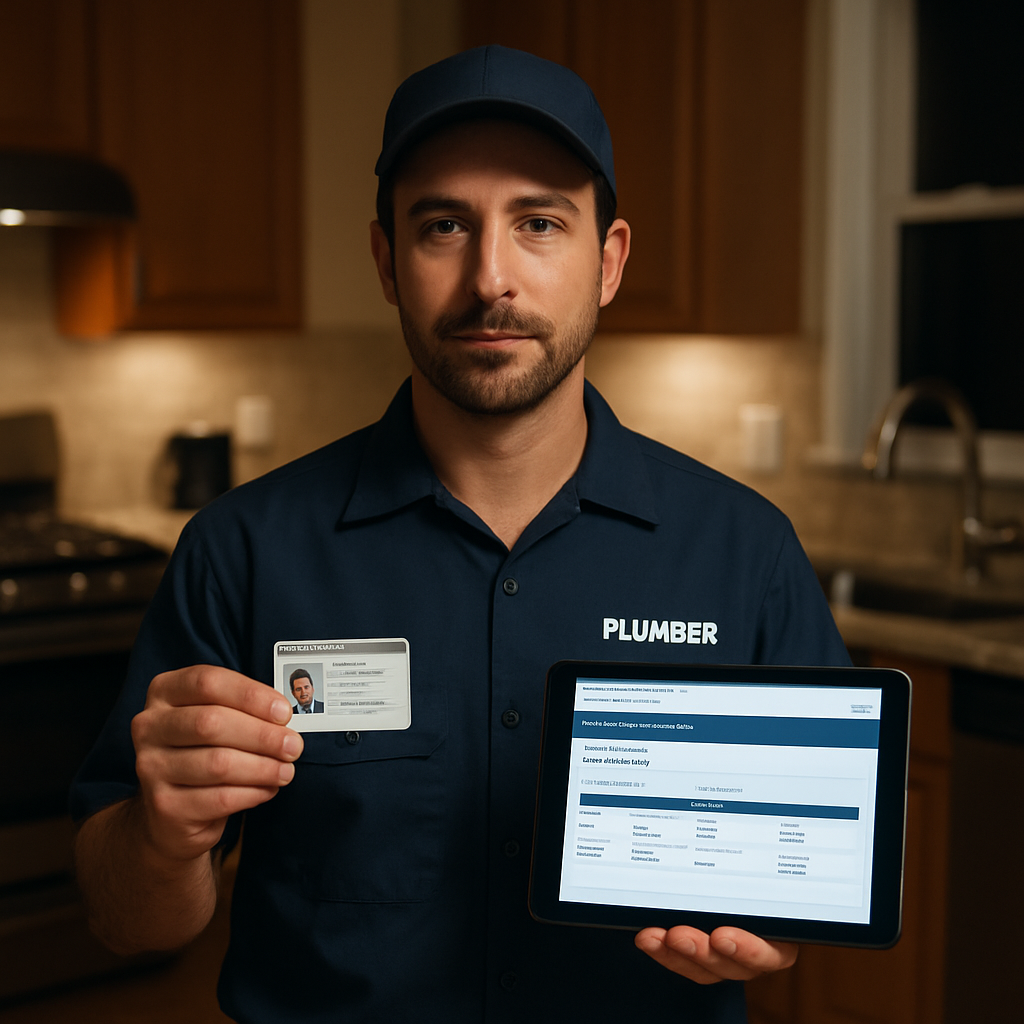
If they refuse verification, hang up. Under stress people accept shortcuts; this is one area where speed must not override legal proof and basic consumer protection.
What after-hours pricing looks like and how to avoid surprises
Straight talk first: a call to a weekend plumber Portland after midnight is rarely billed like a weekday repair — expect an emergency callout fee plus higher labor or flat-rate charges. The pricing components matter more than the final number because they determine whether you pay double for a quick fix or get a durable repair that prevents a repeat call.
Common billing structures and what they mean for you
| Billing component | How it's commonly charged | What to ask to avoid surprises |
|---|---|---|
| Emergency callout fee | One-time fee for after-hours dispatch; sometimes non-refundable | Ask for the exact dollar amount and whether it’s waived if work proceeds |
| Hourly labor | Higher after-hours hourly rate, often with a minimum (usually 1–2 hours) | Confirm the rate, minimum time charged, and whether travel time is billed |
| Flat-rate job price | Quoted price for a specific repair (e.g., unclog main line) | Get the scope in writing and whether parts and disposal are included |
| Parts and markup | Parts often invoiced separately with markups after hours | Ask for part brand, model, cost, and whether you can source parts yourself |
| Temporary or stabilization work | Lower-cost stopgap to prevent damage; billed separately from permanent repair | Clarify if the temporary fix includes a follow-up plan and cost estimate for permanent repair |
Practical trade-off: paying more at night can be worth it when a home is actively flooding or sewage is backing up — you stop damage. For non-structural problems like a slow drain, a temporary stabilization (shutoff, drain plug, or temporary patch) and a scheduled daytime repair is cheaper and often more thorough.
Concrete example: a 2:00 a.m. burst pipe that is flooding a laundry room is a situation where an immediate full repair could cost significantly more than a night-time stabilization, but waiting without isolating the supply will increase structural and drywall damage. If you shut off the main, the plumber can make a temporary clamp on an emergency visit and return during normal hours with parts and a warranty-backed repair — you pay two visits but avoid water damage that would dwarf the labor cost.
- Ask for numbers before work starts: emergency fee, hourly rate and minimum, parts markup percentage, and a worst-case estimate.
- Get the scope: insist the technician describe exactly what they will do for the quoted price and what would trigger extra charges.
- Prefer flat bids for defined work: when possible, accept a flat price for a specific fix rather than open-ended hourly work.
- Use temporary fixes strategically: accept a stopgap if it contains the problem and lets you schedule a full repair during regular hours at lower cost.
A note on parts and markup: many plumbers carry limited overnight stock; that convenience can come with a markup. If a repair is not urgent, ask if they will return with OEM parts during normal business hours or let you purchase parts yourself to reduce cost.
Where to verify cost expectations: a local cost guide like the HomeAdvisor emergency plumbing page provides ballpark ranges so you know whether the quote is reasonable — check HomeAdvisor emergency plumbing costs before you commit. When you call a trusted local company, you can also use the River City Plumbing Portland Plumbing Services page to contact an emergency line and compare their pricing policy with others: Portland Plumbing Services | River City Plumbing.
Bottom line: after-hours pricing is a predictable structure — know the components, demand numbers, and pick a temporary fix when appropriate to avoid paying premium rates unnecessarily.
Call script and the eight essential questions to ask when you call
Key point: A tight, calm phone script saves minutes and prevents costly surprises. Use this short script the moment you find a leak or backup so the caller on the other end hears facts, not panic.
Phone script to read verbatim
Script: Hello, my name is [your name]. I am at [address] in Portland and I have a brief description of the problem – for example, active leak from ceiling, sewage backup in basement, or burst pipe under kitchen sink. The problem is active now and causing property risk. Can you confirm you have a technician available today, give me an ETA, and provide your Oregon CCB license number and proof of insurance before you dispatch?
Eight essential questions – ask these in order
- ETA and arrival info: What is your estimated time of arrival and who will come – company name and technician name.
- License number: What is your Oregon Construction Contractors Board license number? I will verify it on the spot at Oregon CCB.
- Insurance proof: Are you insured and do you carry workers compensation? Can you email or text proof before arrival?
- Emergency fee and pricing structure: Do you charge a callout or emergency fee and is your rate flat or hourly once onsite?
- Payment and deposits: What payment methods do you accept and do you require a deposit or cash only?
- Scope and warranty: Do you provide a written estimate and a warranty for parts and labor? If yes, how long is the warranty?
- Temporary fix option: If a full repair is not safe tonight, can you perform a temporary mitigation and schedule a daytime repair?
- Documentation: Will the tech provide before and after photos and a written invoice on site?
How to read answers fast: Good responses are specific – a license number you can verify, an ETA with a name, clear fees, and willingness to provide documentation. Vague answers, refusal to provide license or insisting on cash only are immediate red flags. If the caller stalls on any of those, prioritize another vendor.
Practical tradeoff: Expect to pay premium pricing for after-hours work. That is not a reason to accept sloppy vetting. In practice, stopping damage fast is worth a transparent emergency fee; hiring the cheapest caller without license verification usually costs more in secondary damage and insurance disputes.
Concrete example: A homeowner in Northeast Portland called using this script after a kitchen supply line failed. The company gave a license number and an ETA of 45 minutes, sent photos of their technician, and quoted a callout plus hourly rate. The tech arrived, compressed the line to stop water flow, then provided a written estimate to finish repairs Monday, avoiding major ceiling damage.
If a company refuses to give a license number, proof of insurance, or insists on full cash payment up front – do not let them into your home.

How to prepare for the plumber arrival and protect your home
Be ready before they step through the door. Clear access, protect surfaces, and have paperwork up front so the visit is focused on diagnosis and repair rather than logistics. That saves time and reduces the chance of accidental damage to floors, cabinets, or personal property during an urgent call.
Document the scene for insurance and clarity. Take timestamped photos or a short video of the affected area, any visible damage, and appliance serial numbers. If the work will require opening walls or replacing water service, note that the plumber may need to discuss permits with you and can reference the City of Portland BDS for permit requirements.
Control the environment and safety hazards. Move electronics and important papers away from the work zone, open windows for ventilation if there are sewer or chemical odors, and secure pets out of the way. For sewage or contaminated water, do not attempt cleanup yourself; ask the technician about PPE and post-repair cleanup procedures.
Arrival checklist
- Clear a 3 foot path to the work area and turn on lights so the tech can start right away.
- Protect floors with towels, cardboard, or drop cloths rather than area rugs that can get stuck under equipment.
- Remove valuables and electronics from shelves and counters near the work area.
- Secure pets and children in another room and leave a gate or leash off so the tech can move unhindered.
- Have ID and paperwork ready: homeowner ID, appliance serial numbers, and the plumber's Oregon CCB number to verify on the spot via Oregon CCB license lookup.
- Take before photos and note water lines, stains, or hidden access panels you do not want altered.
- Payment and estimate readiness: have your preferred payment method available and insist on a written estimate or invoice for work done.
Practical tradeoff to accept in urgent calls. Covering floors and staging the area reduces cleanup but can slow a technician who needs a rolling cart or ladder. The right compromise is to remove loose rugs and place thin protective layers that can be shifted quickly rather than heavy taped coverings that slow ingress.
Concrete example: A homeowner discovered a slow leak under the kitchen sink on a Saturday night. They cleared the cabinet, moved cleaning supplies, took photos, and had payment and ID ready. When the local weekend plumber arrived, the tech verified license, completed a quicker diagnosis, and finished a temporary clamp repair the same night so a permanent replacement could be scheduled during business hours.
Key point: small prep reduces time on site, lowers labor charges on hourly calls, and creates evidence that insurers or landlords will accept.
Next consideration: Ask the technician to photograph removed parts and provide a written disposal or return policy before they take anything off site; that prevents disputes and helps claim handling if parts need to be inspected later.
How River City Plumbing handles weekend and after-hours calls in Portland
Straightforward triage first. When River City Plumbing takes an after-hours call they treat it like emergency medicine: identify immediate risk, stop the damage, document the situation, then decide whether to repair now or stabilize and return for a permanent fix.
What to expect when you call
- Rapid intake: the dispatcher asks location, whether the main is shut off, any electrical hazards, and will often request photos sent to their emergency line so the technician can assess before arrival.
- Triage on arrival: the technician isolates the leak, stops flow, or contains sewage — practical mitigation rather than immediate overhaul if that reduces risk and cost.
- Documentation: before-and-after photos, a written invoice noting the emergency callout, and a clear statement whether work is temporary or permanent.
- Parts and scope: techs carry common replacement parts and temporary repair materials; complex pieces or trenchless tools may require a follow-up appointment.
- Permits and follow-up: if work triggers a City of Portland permit, the technician will note that and schedule the proper permit process or advise next steps, linking to City of Portland BDS guidance where necessary.
Practical trade-off to know. After-hours service reduces immediate damage but has limits: technicians will prioritize stopping water or sewage and preventing structural or electrical harm, not completing large installations overnight. Expect a temporary fix in many cases and a scheduled return for full repair or permit work.
Concrete example: A homeowner in Southeast Portland called River City for a midnight sewer backup. The responding technician isolated the problem, pumped and contained sewage to protect the floor, documented the damage with photos for the homeowner's insurance, and scheduled trenchless sewer repair during business hours with permit requirements noted. That approach limited further property damage while keeping the larger, permited repair on a track that satisfies the City and the insurer.
What they will not do after hours. They generally will not perform major structural excavations, full water-service replacements, or long-permit jobs in the middle of the night — those require daylight, permits, and additional crew. If you expect a permanent install immediately, prepare for higher charges or a recommendation to wait until the daytime crew is available.
Key point: paying for after-hours service buys immediate damage control and documentation, not always a permanent solution. Ask the technician to label work as temporary or permanent on the invoice.
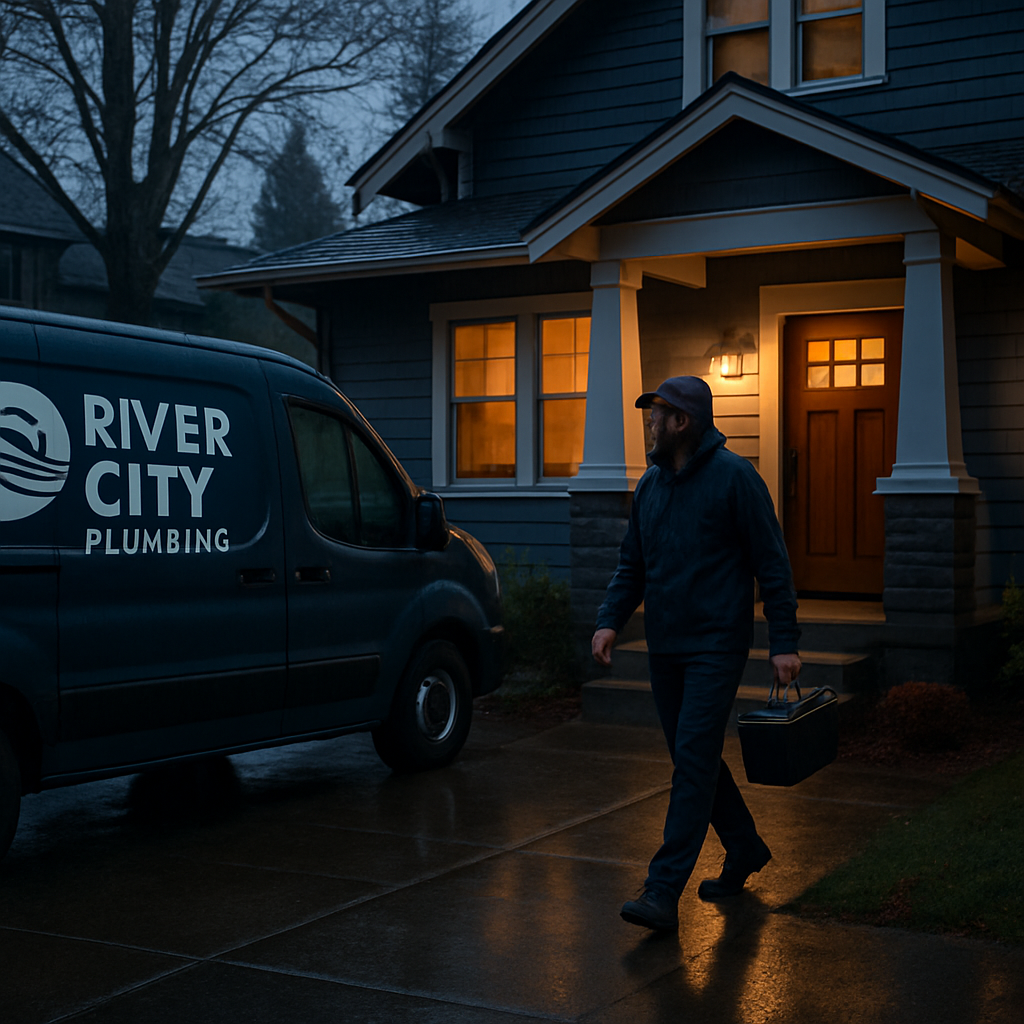
Final consideration. If the situation is actively flooding, creating a safety hazard, or involves sewage, call the River City emergency contact on their Portland page now to start triage and arrange containment — don’t wait for the cheapest option when structural or health risk is present.
Quick decision checklist for common weekend plumbing scenarios
If water is actively flowing where it should not be, treat it as a time-sensitive triage problem — not a shopping trip. The checklist below helps you decide immediately whether to call for after-hours help, apply a temporary containment, or wait for a daytime appointment.
How to use this checklist
Scan first, then decide. Identify the source (fixture, line, sewer), estimate the flow rate (a trickle versus a torrent), and check for electrical or sewage exposure. Use those three facts to pick a row in the table below.
| Scenario | Immediate action (what to do now) | Call now or schedule | Why this choice |
|---|---|---|---|
| Active burst pipe with substantial flooding | Stop water if possible, protect electronics and evacuate the room | Call now – after-hours emergency | High property and structural risk; delaying increases repair and insurance complications |
| Sewage backup in basement or multiple fixtures | Contain area, avoid contact, ventilate if safe | Call now – emergency plumber or sanitary services | Health hazard and property damage escalate quickly |
| Large leak through ceiling or wall (visible seepage) | Move belongings, place buckets under drip, turn off water if you can | Call now – likely needs same-day response | Water inside walls can cause rapid mold and structural damage |
| Single slow drip at a fixture with no spread | Contain drip and monitor; document condition | Schedule daytime appointment | Low immediate damage risk; repair can wait to avoid after-hours premiums |
| Toilet clogged but only one fixture affected | Attempt manual clear with plunger; avoid chemical drain cleaners | Schedule daytime appointment unless overflow or sewage smell persists | Single fixture clogs are usually not emergencies |
| No hot water in a multiunit building or loss of hot water plus leaks | Reduce water use, warn neighbors, document | Call now for building-level hot water failures | Central water heater failure affects multiple residents and may create safety issues |
| Smell of gas or suspected gas line issue | Evacuate, shut off gas if trained, call gas utility immediately | Call utility and a licensed plumber now | Gas leaks are life-safety events and require the gas company first |
Tradeoff to accept: paying an after-hours fee is often cheaper than the cumulative cost of water, mold remediation, and higher insurance deductibles after a delay. That does not mean every Saturday drip merits an emergency call. Use the table to prioritize by risk, not by inconvenience.
Concrete Example: On a recent Saturday a tenant texted a homeowner that water was pooling under the laundry shelf after the washing machine hose failed. The homeowner shut off the unit valve, moved appliances, and called an emergency line. Waiting would have soaked the floor joists and required structural repair that cost more than one after-hours service call.
Special consideration for renters and multiunit buildings: shutting off a building main can affect neighbors and building systems. If you are not the property owner, contact the property manager or superintendent before major shutoffs unless the situation risks immediate harm.
Next consideration: when you call, state the scenario precisely using the table language so the dispatcher can route the right technician and avoid unnecessary after-hours markup.