
When to Call an Emergency Plumber in Portland: A Quick Guide to Fast, Reliable Service
A sudden leak, burst pipe, or sewage backup can turn a normal day into an urgent cleanup and repair problem. This quick guide tells Portland residents when to call an emergency plumber Portland Oregon, what to do right away to limit damage and risk, and how to find a fast, reliable local service you can trust.
1. Immediate Emergencies That Require Calling an Emergency Plumber Now
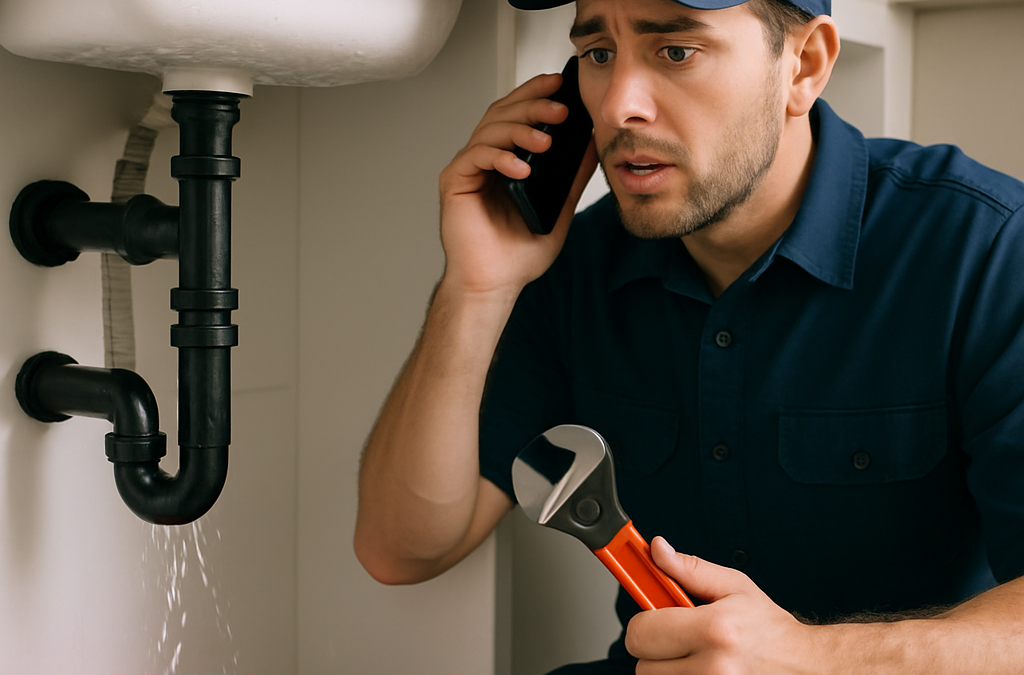
Key point: Call an emergency plumber immediately for any plumbing situation that is actively causing water or sewage to enter living space, creating a safety hazard, or that you cannot stop with a local shutoff.
- Active flooding: visible flooding from a burst supply line, failed water heater, or appliance leak that is spreading across floors or ceilings
- Burst pipe with spray or ceiling sag: pressurized leaks that are spraying or causing ceiling panels to bulge and threaten electrical fixtures
- Sewage backup: toilets, sinks, or floor drains pushing sewage into the home – this is a health hazard and requires professional cleanup
- No accessible shutoff: continuous flow where the fixture shutoff does not stop the leak and you cannot access the main shutoff
- Water and electrical risk: water pooling near outlets, electrical panels, or powered appliances; if there is an immediate danger, evacuate and call 911 first
Trade-off to understand: Emergency service costs more after hours, but delaying repairs when water is uncontrolled almost always raises total cost due to secondary damage – structural repair, mold remediation, and belongings lost. Paying an emergency trip fee is often cheaper than paying for a full restoration later.
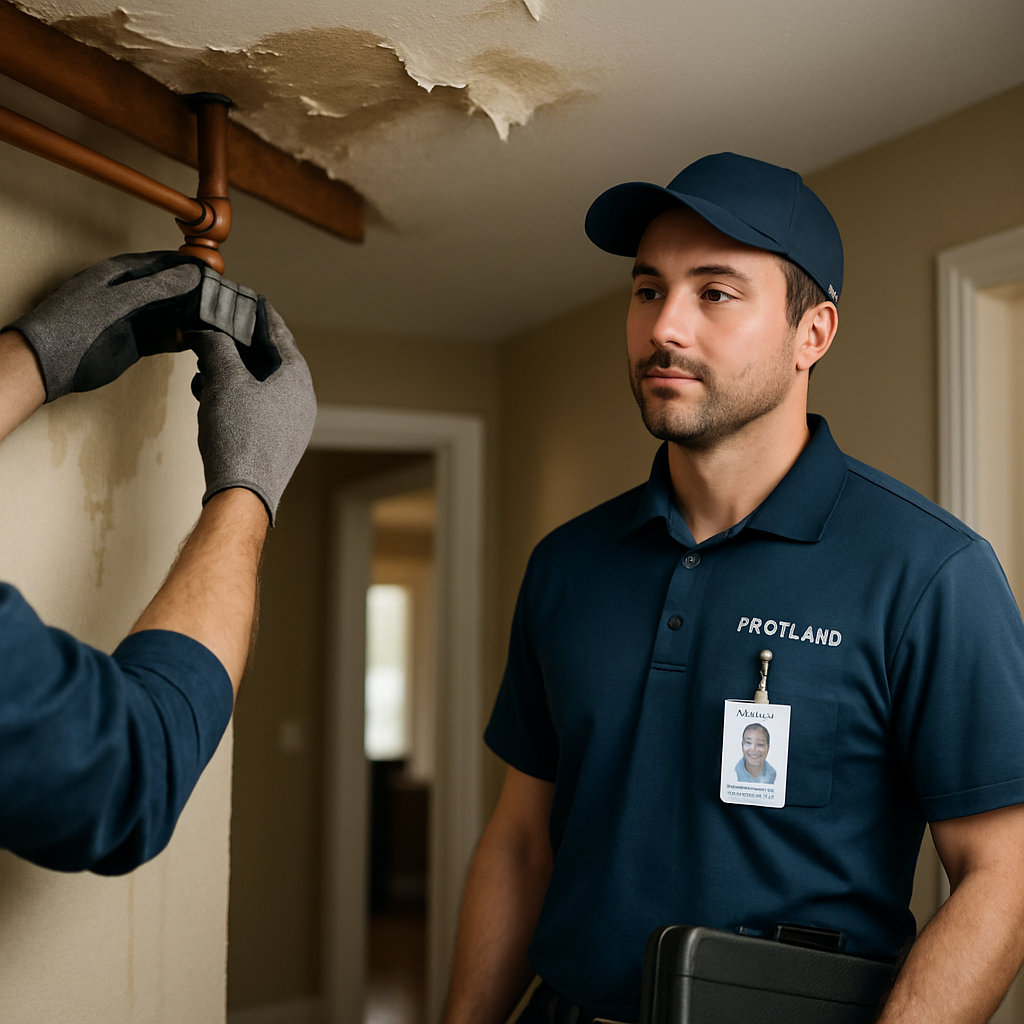
Concrete example: A second-floor copper supply line splits during a cold snap, spraying water into a living room ceiling until the sheetrock droops. Turn off the home main water shutoff, move people and electronics out of the area, photograph the damage, then call an emergency plumber. The tech will stop the flow and install a temporary clamp or reroute so you avoid total ceiling collapse and water migration to lower floors.
What people commonly misunderstand: Small visible drips are not always urgent, but leaks inside walls, under sinks, or above ceilings that you cannot isolate are emergencies even if the flow looks modest. Hidden leaks soak framing and insulation quickly in Portlands climate and create mold risk that multiplies repair costs.
Practical check: If you cannot find or operate a shutoff valve, or if water is entering spaces with electrical gear, call an emergency plumber now and follow official shutoff guidance from the City of Portland Water Bureau at Portland Water Bureau Emergencies. For a local responder, River City Plumbing maintains 24/7 emergency dispatch at Emergency Plumbers – River City Plumbing.
2. Urgent Problems That Need Same Day or Within Hours Service
Quick reality check: some plumbing problems are not life threatening right away but will cause significant damage, mold, or complete loss of service if not fixed within hours. These are the calls where you should ask for same day or within hours dispatch from an emergency plumber Portland Oregon.
Common urgent problems that deserve same day response
- Persistent slow leaks under sinks, behind appliances, or inside walls where moisture is increasing and surfaces are softening
- Loss of hot water during a cold spell or when vulnerable people live in the house and reheating or replacement may be needed quickly
- Major drain backups that are causing standing water in basement or floor drains but have not yet overflowed into living spaces
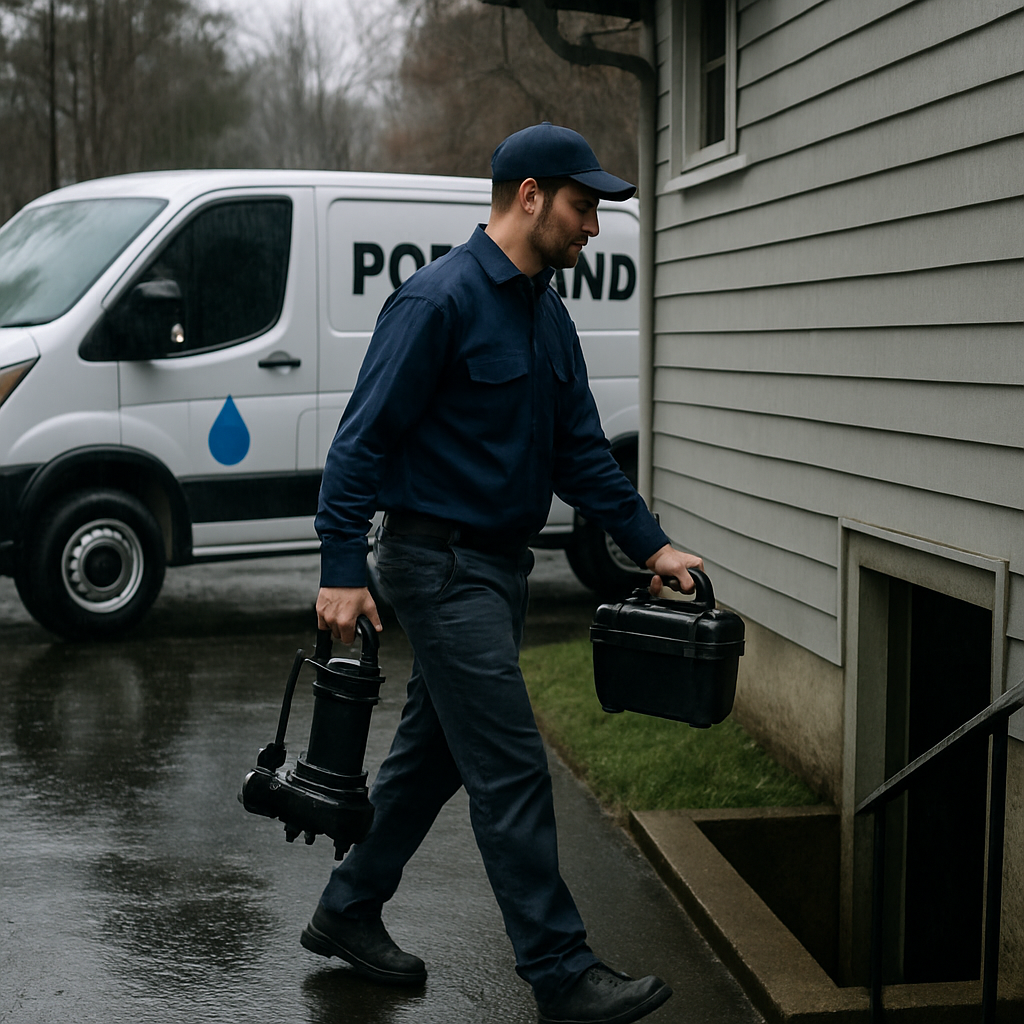
- Sump pump failure when rain or forecasted storms make basement flooding likely
- Signs of frozen pipe such as bulging, cold patches on exposed lines, or trickling that will likely burst during the next thaw
Practical tradeoff: calling for same day service costs more than scheduling routine work, but delaying often multiplies total cost and hassle. A same day visit that yields a temporary clamp or pump replacement can stop structural or mold damage that would otherwise trigger expensive mitigation and an insurance claim.
What plumbers actually do on a same day call: expect a rapid triage, temporary stabilization, and a clear plan for permanent repair. Be realistic: parts availability and permit requirements can force a temporary solution now and a scheduled follow up later.
What to ask when you call: request an ETA, emergency trip fee, whether the technician carries common replacement parts for water heaters or sump pumps, and confirmation the company is a licensed emergency plumber Portland Oregon. If you want a local option, see Emergency Plumbers – River City Plumbing. Also verify license status at the Oregon Construction Contractors Board if you have concerns.
Common misconception corrected: people often wait because the leak is small or the drain is only slow. In practice, moisture that is allowed to sit for 24 to 72 hours can seed mold and ruin finishes. Same day action is a damage control move, not always a full repair, and usually pays for itself.
Concrete Example: a failing water heater that stops producing hot water during a February cold snap is an urgent same day call if the home has infants or elderly residents. A technician may replace the heating element or install a temporary small unit to restore hot water the same day, then return to install a full replacement with permit paperwork when parts are available.
3. What to Do Immediately Before the Plumber Arrives
First priority: stop further water and remove people from immediate danger. Within the first few minutes your actions should be limited, decisive, and aimed at isolation, containment, and clear documentation — not repairs you cannot complete safely.
Quick 10-minute checklist
- Turn off the nearest shutoff: close the fixture valve if it stops the flow. If it does not, use the
main shutoffto the house. In Portland single-family homes the main is often near the water meter in the basement, garage, or next to the foundation on the street side; apartment mains are usually in a building mechanical room. - Cut power to the affected area only if you can do so safely: shut the breaker for standing water near outlets or ceiling fixtures. Do not stand in water to open the panel.
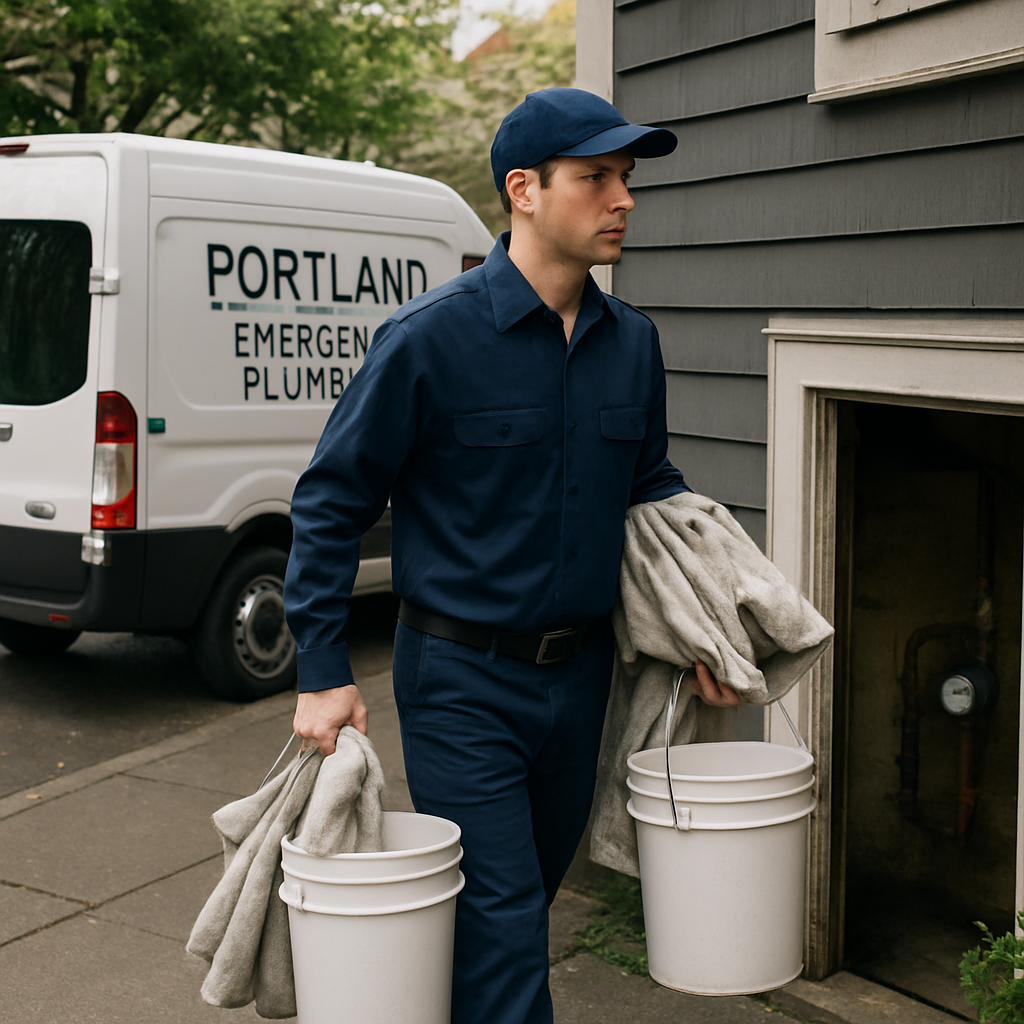
- Contain the leak: use buckets, towels, and tarps to keep water away from finishes and electrical devices. Prioritize electronics and anything on the floor level.
- Document everything: take time-stamped photos and short video of the leak, meter readings, and damaged areas. Send those to the emergency dispatcher or your plumber — it speeds triage and limits wasted trips.
- Stop using water: no dishwashers, washing machines, or taps until the plumber confirms it is safe.
- Secure access and logistics: clear a parking space near your entrance, have building keys or gate codes ready, and tell the dispatcher about stairs, tight hallways, or dog access concerns.
Practical trade-off: shutting the main stops damage but also cuts water to toilets, boilers, and fire sprinklers. If someone relies on powered medical equipment that uses water or electricity, weigh the risk and notify the plumber and dispatcher immediately so they can prioritize your call.
Concrete Example: A burst copper supply pipe upstairs in a Southeast Portland bungalow sprayed through the ceiling. The tenant closed the sink shutoff (which stopped most flow), put buckets below, cut the breaker for that room, and texted a 20-second video to the emergency dispatcher. That video allowed the on-call technician to bring the exact clamp and fittings, stopping the leak faster and avoiding a second trip.
What usually helps the technician most: a clear short video of the leak source and exact location, plus the meter photo. In practice, contractors respond faster and with fewer surprises when you describe building type (single-family vs. multi-unit), entry instructions, and any permit or HOA constraints.
If you smell gas or water is contacting the electrical panel, evacuate and call 911 or your gas utility from a safe location — then contact an emergency plumber.
4. What a Portland Emergency Plumber Will Do on Arrival
First action: immediate triage. An experienced emergency plumber arrives focused on two things—stop the active leak or backup, and make the site safe for people and the crew. Expect the technician to locate and operate the appropriate shutoff, set up pumps or buckets, and confirm whether electrical hazards or structural danger require further precautions.
On-site diagnostics and temporary stabilization
- Isolate the problem area: close zone valves, cap lines, or isolate the suite in multi-family buildings so water flow stops quickly.
- Containment and mitigation: place pumps, wet vacs, and temporary drains to limit water spread and protect finishes.
- Temporary repairs: fit sleeves, clamps, or cut-in shutoffs and bypasses that stop damage now but are not always permanent.
- Diagnostic tests: perform pressure tests, electronic leak detection, or a camera inspection for sewer backups to identify root cause.
- System-specific checks: water heater diagnostics, thermostat and relief-valve inspection, or sump pump verification for failing systems.
Practical trade-off: a same-day temporary fix reduces immediate damage but can complicate warranty or insurance if documented improperly. Ask for written notes that label the work as temporary or permanent so you and your insurer know what follow-up is required.
Communication and pricing up front. A licensed emergency plumber portland oregon should give an itemized emergency trip fee, labor-rate estimate, and parts list before they start non-urgent work. If a permanent repair requires a permit, new parts, or external contractors, the plumber should outline the next steps and costs instead of starting expensive irreversible work without consent.
Concrete example: A tenant reports a burst copper riser spraying into a hallway. The tech isolates the riser at the floor shutoff, installs a compression sleeve to stop active spray, pumps out pooled water, documents damage with photos, and schedules the copper replacement with permit work the next day. That temporary sleeve prevents further structural damage but the full replacement requires parts and a permit.
Real-world judgment: Many callers expect a permanent fix on arrival; in practice, parts availability, access constraints, and municipal permitting mean the smart move is to stabilize, document, and plan a permanent repair. Vendors who push to replace large sections immediately without offering a staged option are often upselling in urgent moments.
Additional services to expect: cleanup coordination, mitigation receipts for insurance, sewer-camera footage if used, and guidance about permits or code issues. If the job needs a city permit or a mainline replacement, the plumber will schedule that work and provide the documentation your insurer will want.
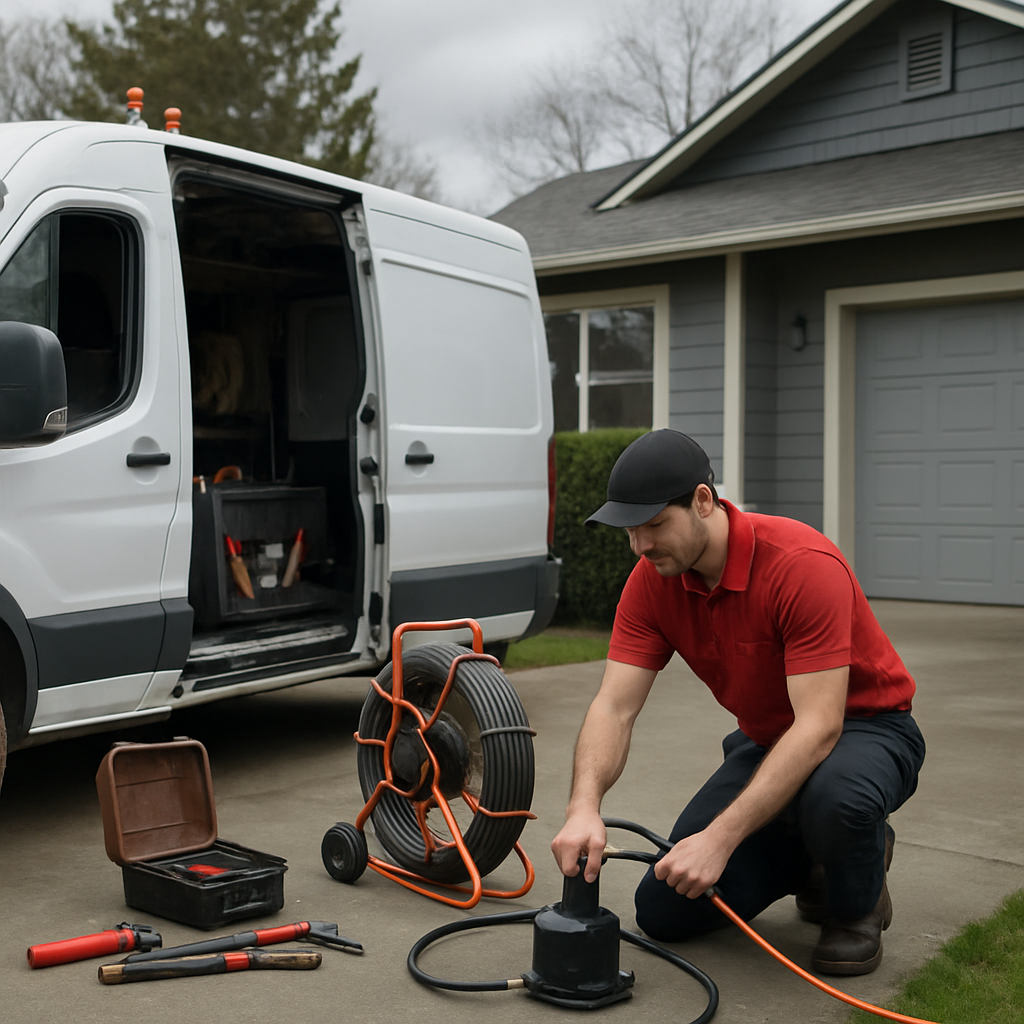
Next consideration: before you authorize anything beyond stabilization, get the itemized estimate and timeline in writing and confirm the plumber is a licensed emergency plumber Portland Oregon via the Oregon Construction Contractors Board.
5. Typical Emergency Service Expectations and Cost Factors in Portland
Straight to the point: emergency calls cost more because you are paying for rapid mobilization, after-hours staffing, and immediate risk reduction. If you search for emergency plumber portland oregon you will find 24/7 plumber Portland options, but expect emergency dispatch fees and higher hourly rates compared with scheduled daytime work.
How pricing typically breaks down
- Emergency trip / after-hours fee: mobilization charge that covers the call-out and overtime — commonly in Portland-area jobs this runs roughly $150–$400 depending on time (night, weekend, holiday).
- Diagnostic / service fee: separate or rolled into the trip fee; pays for the techs time to locate the problem and produce an estimate.
- Hourly labor: many emergency plumbers bill hourly for the hands-on work — typical ranges are $90–$175/hr for experienced technicians, higher late at night.
- Parts and materials: parts are charged extra; expect markup versus retail for small items and higher costs for specialty valves, camera rentals, or replacement sections of pipe.
- Specialty work: camera inspection, sewer-main repairs, excavation, or water heater replacement add substantial cost — camera runs often $200–$600, mainline work can run into the thousands.
Key trade-off to understand: waiting for regular-hours service can save you on labor and trip fees, but delaying when water is actively damaging finishes or electrical systems usually costs more in repair and insurance claims. Decide based on whether you can fully stop the flow and the risk to structure or safety.
Concrete example: a 2 AM ceiling burst where water pours into a living room typically triggers an emergency dispatch. A realistic immediate bill often includes a trip fee (~$200–$350), 1–2 hours of labor to stop the leak and perform a temporary clamp, plus basic parts — immediate outlay commonly falls in the $400–$900 range, with a separate estimate and schedule for the permanent repair the next day.
Practical expectations and limitations: insist on an itemized estimate before work begins and a clear statement of what is temporary versus permanent. Permits, sewer-line replacements, or required excavations are legitimate causes for higher quotes and additional scheduling; a quick patch is cheaper but may only be a stopgap that still requires permit-backed replacement later.
- How to get costs under control: ask for itemized pricing, request before-and-after photos for insurance, and check whether the company offers warranties on emergency repairs.
- Payment and red flags: expect to pay a deposit or card on file for after-hours service, but avoid vendors demanding full cash up front or refusing to provide a written receipt.
Next consideration: if the situation is not actively damaging property and you can isolate the problem, scheduling a same-day daytime visit will usually reduce fees; if not, call now and focus on stopping damage — get the written estimate and receipts afterward.
6. How to Choose a Trustworthy Emergency Plumber in Portland
Key point: When you need an emergency plumber portland oregon, the decision is less about price and more about competence, clear communication, and local authority to perform the work. Fast response is important, but an unlicensed quick fix that fails overnight costs more and creates safety risk.
Verification checklist
- License and registration: Ask for the contractor name and license number, then verify with the Oregon Construction Contractors Board.
- Insurance and bonding: Confirm general liability and workers compensation coverage before work starts; get insurer name and policy number on the invoice.
- Local presence: A visible Portland address, local phone number, and ongoing service area mean faster follow up and familiarity with Portland building codes.
- 24/7 availability and dispatch: Confirm they actually dispatch technicians after hours and the usual response window for emergency calls in your neighborhood.
- Written estimates and receipts: No written estimate is a red flag. Get itemized pricing for the emergency stabilization and any follow up permanent work.
- Warranties and parts: Ask what is covered by warranty for emergency work and whether permanent repairs use certified parts and permits when required.
- Identification and reporting: Technicians should arrive in marked vehicles, show ID, and document work with photos for insurance and compliance.
Practical tradeoff: The fastest available crew may come with an after hours premium. If the situation is contained, it is often wiser to accept a stabilizing repair now and schedule a nonemergency permanent fix the next business day with a plumber who gives a detailed scope and warranty.
Concrete Example: A midnight sewage backup in a Southeast Portland basement required a quick pump out to stop overflow. The crew that arrived within an hour provided a temporary clean out, photographed the damage, and left a written stabilization invoice; they then scheduled the sewer camera inspection and mainline repair for the next morning with a transparent, itemized estimate.
What people get wrong: Many homeowners assume a low online price equals value. In practice, emergency plumbing requires documentation, permits, and sometimes coordination with utilities. Cheap, anonymous responders often avoid permits and offer no follow up, which leaves the property owner liable for bigger costs.
Local recommendation: Prefer plumbers with repeat positive reviews in Portland neighborhoods, transparent emergency policies, and the ability to both stabilize and complete the permanent repair. See River City Plumbing emergency options at Emergency Plumbers – River City Plumbing and their Portland services at Portland Plumbing Services | Emergency Plumber | River City Plumbing.
7. Short Term Prevention Steps to Reduce Future Emergency Calls
Direct point: Short term prevention is cheaper and faster than emergency response. A few targeted actions taken this week can cut the odds of overnight flooding, sewage backups, and costly weekend calls.
Prioritize by vulnerability and cost
Key judgment: Spend first where failure causes the most damage. Prioritize basements, older sewer mains, water heaters, and rental units where downtime or tenant displacement matters the most.
- Winterize outdoor spigots and exposed pipes: Drain hoses, shut off and cap exterior valves where present, and wrap exposed supply lines with foam insulation. For guidance on cold weather precautions consult City of Portland Water Bureau emergency guidance.
- Exercise and label shutoff valves: Turn main and fixture shutoffs fully off and on every six months so they do not seize. Label the valve that stops your entire property water supply so any household member can find it quickly.
- Flush and inspect the water heater: Sediment buildup shortens equipment life and increases failure risk. A quick flush and visual check for corrosion reduces emergency water heater replacement calls.
- Sump pump test and battery backup: Test the pump by pouring water into the pit; replace the pump or battery backup if runtime is short. A modest battery backup prevents basement flooding during storm power outages.
- Targeted sewer maintenance: Have a camera inspection if your house was built before 1990 or you have tree roots near laterals. Camera work is an upfront cost that uncovers weak spots before a total collapse forces emergency mainline excavation.
- Smart detectors and automatic shutoffs: Install water sensors at likely leak points and consider an automatic main shutoff for high risk properties. These systems reduce damage but add installation cost and occasional false positives that require management.
Practical tradeoff: Smart devices and automatic shutoffs cut damage but they are not a substitute for pipes in good condition. For older plumbing the best return on investment is targeted repair or partial repiping ahead of automation.
Concrete example: A Portland landlord with a finished basement installed a battery backup sump pump and placed two water sensors at the floor drain and furnace. During a November storm the primary pump failed, the backup kept the basement dry, and the sensors alerted the landlord so a scheduled same day repair prevented mold and tenant displacement.
Actionable sequence: If you are short on time, do these three things this week: 1) locate and label the main shutoff, 2) drain and cap exterior hoses, and 3) test any existing sump pump and install a simple battery backup if it fails testing.