
When to Hire a Home Drain Cleaning Service vs. DIY: Cost, Risks, and Benefits
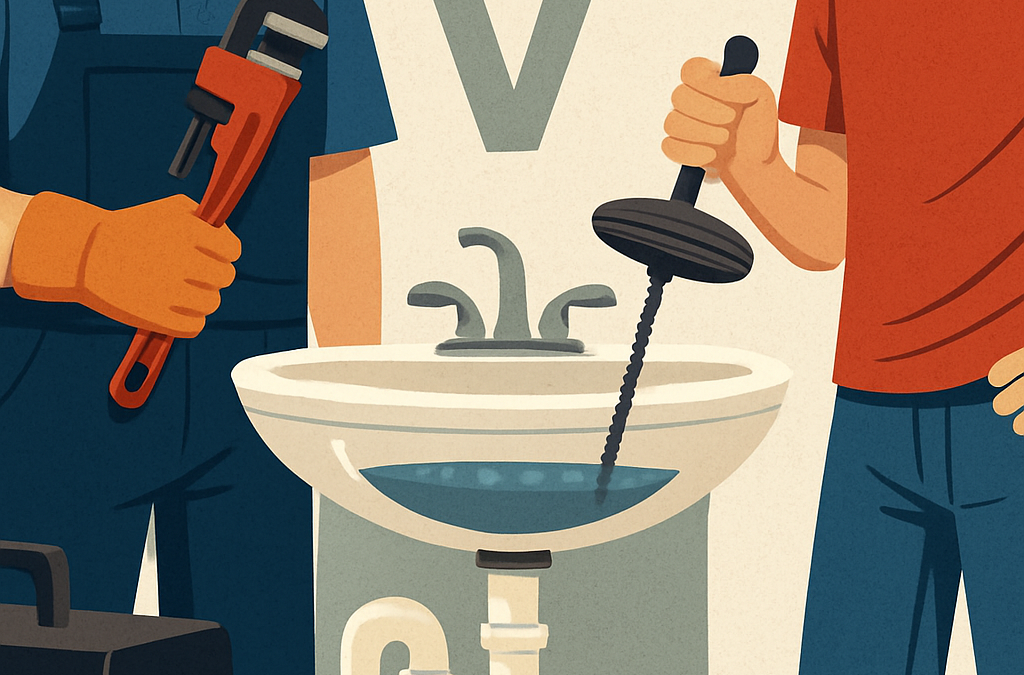
When a slow sink or a recurring backup shows up, you have a choice: try a DIY fix or call a home drain cleaning service. This post lays out realistic Portland cost ranges, safety risks, and clear triggers: when a plunger is enough, when a camera inspection or hydro-jetting is justified, and when sewer lateral rules or tree roots make a pro unavoidable. You will also get plain next steps and what to expect from a professional visit so you don’t waste time or make the problem worse.
Recognizing the problem: symptom patterns and their likely causes
Key point: which fixtures are affected is the single most useful clue for deciding whether a DIY attempt is reasonable or you should call a home drain cleaning service. A slow sink with obvious hair or grease behaves differently — and has a different solution — than toilets and floor drains backing up together.
Common symptom patterns and what they usually mean
- Single fixture slow or clogged: often local debris in the trap or tailpiece (hair, soap, food). This is where plungers, hand snakes, and trap-cleaning are usually effective.
- Multiple fixtures slow or simultaneous backups: strong indicator of a mainline or sewer lateral problem. Expect root intrusion, collapsed pipe, or heavy grease build-up — not something a store-bought drain cleaner fixes.
- Gurgling toilets or water backing into other fixtures: air trying to escape past a blockage higher in the line; treat this as a mainline symptom and escalate to professional diagnostics.
- Recurring clogs after heavy rain or yard pooling: classic Portland signal for tree root intrusion or a damaged sewer lateral. Check the outside cleanout and consult Portland Bureau of Environmental Services guidance at Portland BES.
Practical check: before calling anyone, confirm the P-trap and accessible trap arms are clear. Turn off water, place a bucket under the trap, and loosen the slip nuts to inspect the U-bend. If the trap is clean and the problem persists, this moves the likely cause beyond simple DIY.
Trade-off to understand: a quick DIY fix can save money when it truly is a local clog. But repeatedly plunging or pouring chemicals without locating the clog increases the chance you push debris deeper into the mainline or damage finishes, which raises the eventual cost of a professional visit. Spending for a targeted diagnostic up front often avoids repeated callbacks.
Concrete example: a homeowner in northeast Portland had a kitchen sink that cleared with a plunger but came back worse after a storm. A camera inspection by a local crew showed root masses entering the lateral where it runs under the street. The correct sequence was camera diagnosis, targeted hydro-jetting, then a follow-up plan for monitoring — not more plunging or chemical cleaners.
If two or more fixtures are affected, or you smell sewage, treat it as a mainline issue and contact a professional home drain cleaning service rather than escalating DIY attempts.
DIY fixes that are reasonable and safe for homeowners
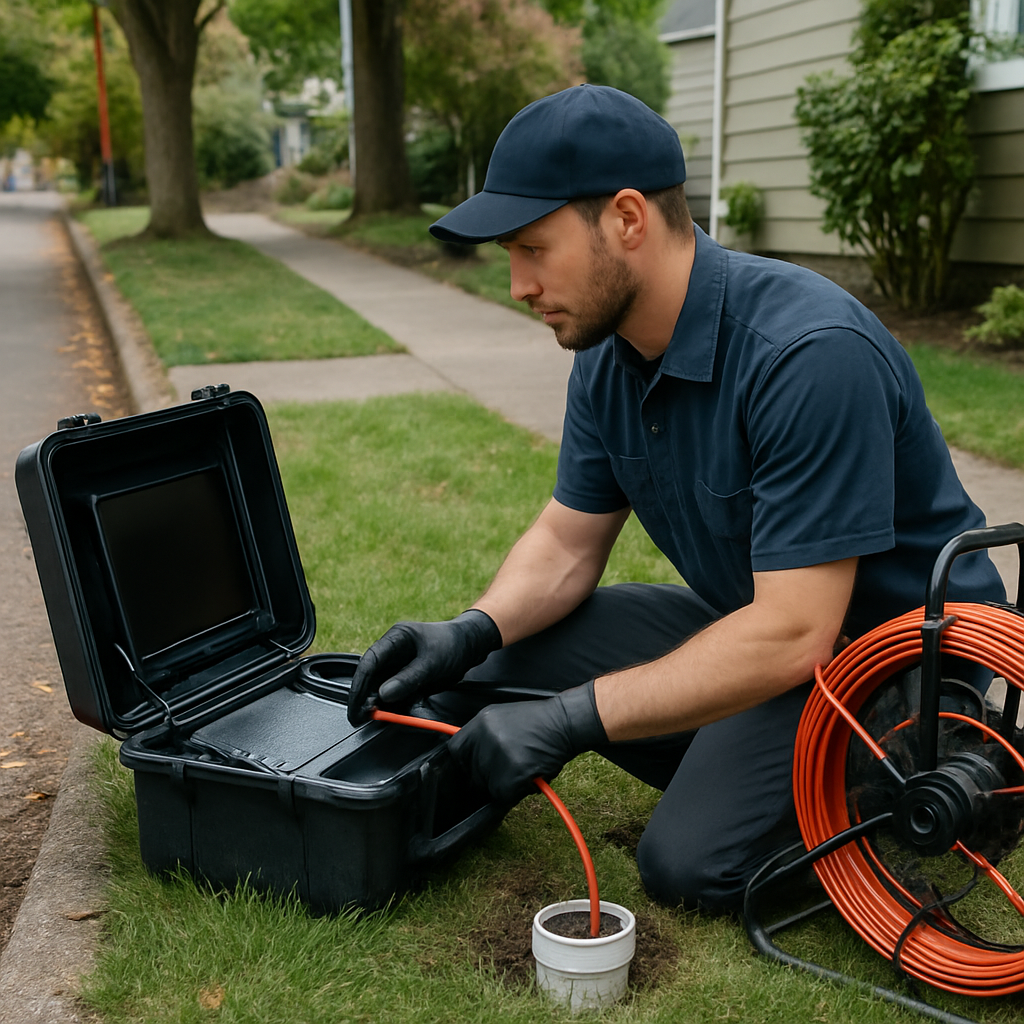
Most safe DIY work is limited to shallow, fixture-level clogs you can access without pulling pipes. For these, simple tools and a controlled technique will clear the majority of everyday slow drains without creating bigger problems.
Quick, safe actions that work in practice
- Plunging correctly: Use a flange plunger for toilets and a cup-style sink plunger for sinks. Push firmly then pull sharply to break the seal; repeat 6 to 8 times rather than long, weak pumps. Protect surrounding finishes with a towel if you expect splatter.
- Hand auger / drain snake for shallow clogs: Use a 3 to 10 foot handheld auger for bathroom sinks and a 10 to 25 foot toilet auger for toilet clogs. Feed slowly, rotate to grab debris, and withdraw carefully—don not force the cable past resistance or you can damage fixtures.
- Hair and debris tools: Flexible zip tools and wire hooks are inexpensive and effective for shower drains where hair is the culprit. They cost under 10 and usually avoid the need for chemicals or a pro.
- Hot water and dish soap for kitchen grease: For fresh grease clogs, flush with very hot (not boiling) water combined with a tablespoon of degreasing dish soap in stages. This often clears light buildup that plunging alone won t handle.
- Enzyme-based cleaners for maintenance: Use enzyme or bacteria-based products as a preventative or for organic build up. They work slowly—apply overnight and repeat per label instructions; they do not dissolve roots or heavy mineral scale.
Practical limitation: enzyme cleaners and hot water are good for organic grease and soap scum but they are slow and won't touch roots, collapsed pipe, or compacted mineral scale. If a mechanical tool doesn t reach the blockage within a couple attempts, renting power equipment or continuing to try risky techniques is a losing tradeoff.
| Tool or supply | Typical cost (USD) |
|---|---|
| Plunger (sink or toilet) | 10 to 30 |
| Handheld drain auger | 15 to 70 |
| Zip/hair removal tools | under 10 |
| Enzyme-based cleaner | 10 to 30 |
Trade-off judgment: renting a power auger or buying a heavy-duty tool looks economical on paper but increases the chance of scratching finishes, breaking fixtures, or pushing the clog into the mainline. For most homeowners a handheld auger plus the techniques above is the sweet spot between cost and risk.
Concrete example: In a Portland kitchen where a single sink slows after cooking, a practical sequence that often succeeds is: remove and scrape the strainer, run hot soapy water in stages, plunge the sink, then feed a 6 foot hand auger to clear the tailpiece and trap. If the clog still resists after these steps, document what you tried and call a pro rather than escalating to rented power tools.
Scenarios that require a professional home drain cleaning service
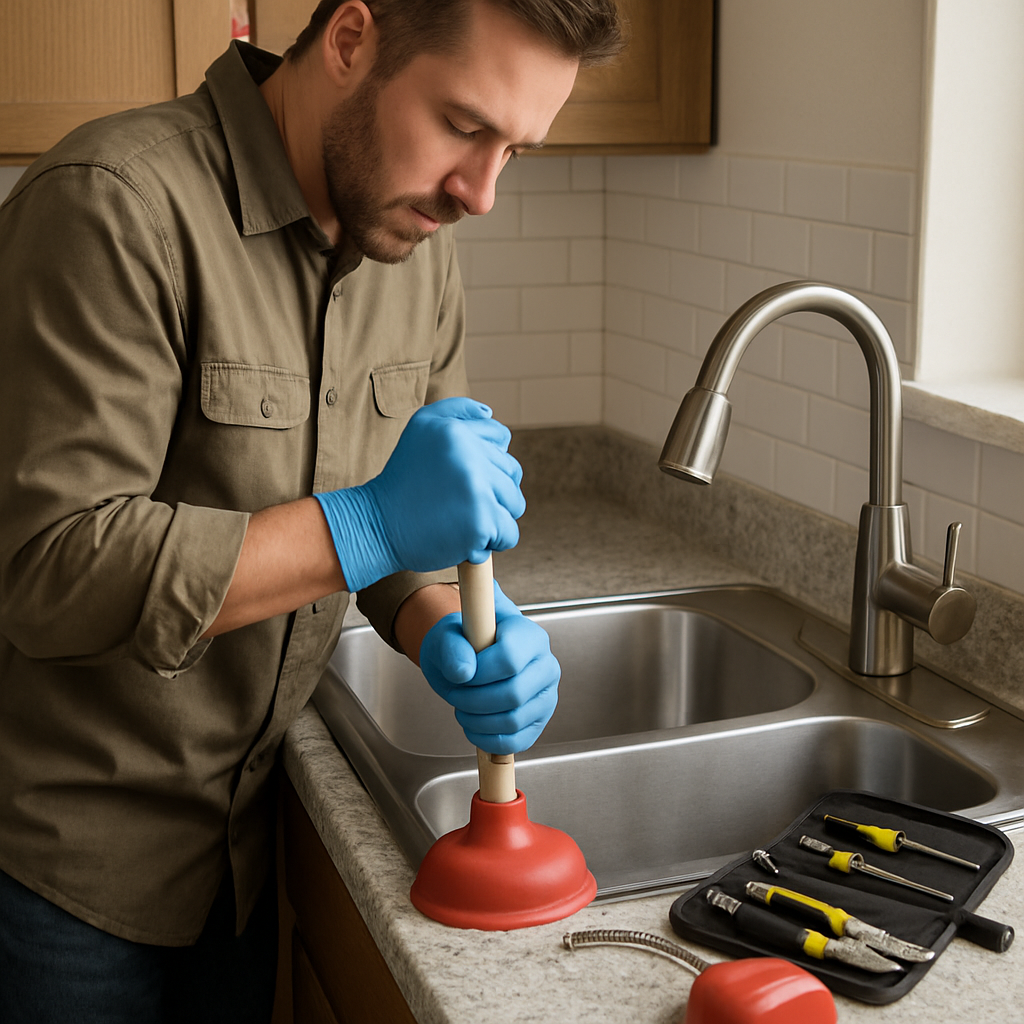
Call a professional when the problem is more than a single fixture. If multiple sinks, tubs, or toilets are slow or backing up, that pattern almost always means the blockage is in the building main or the sewer lateral rather than the local trap. This is the point where a DIY snake or chemical product stops being appropriate and a home drain cleaning service is the practical next step.
- Sewage coming into the house. Any sign of sewage in a basement, floor drain, or toilet bowl is an emergency; do not delay and do not keep running water.
- Multiple fixture slowdown or gurgling across the house. Sounds and slow flow in several fixtures point to a shared line problem.
- Recurring clogs within days. Repeated clogging after a temporary DIY clear is a strong indicator of root intrusion, collapsed pipe, or heavy grease buildup.
- Backups after heavy rain or standing water on the property. In Portland neighborhoods with large street trees, this pattern often signals root intrusion into the sewer lateral. See the Portland Bureau of Environmental Services guidance on lateral responsibilities at Portland BES.
- Visible issues at the cleanout or yard—muddy water, roots, or broken cleanout cap. Those are direct signs that professional diagnostic equipment is needed.
Practical tradeoff to accept: spend on diagnosis to avoid wasted repairs. A camera inspection costs extra up front but prevents expensive mistakes like hydro-jetting a compromised clay or cast iron pipe or excavating the wrong section. In practice a targeted camera first approach reduces repeat calls and often lowers total cost compared with repeated reactive attempts.
Concrete Example: A homeowner in Southeast Portland had kitchen and basement drains clear after a DIY snake but both clogged again after a heavy storm. A professional home drain cleaning service performed a camera inspection and found tree roots intruding at the lateral joint. Hydro-jetting provided a short term clear, but the technician recommended trenchless lining to stop recurrence. The upfront diagnosis prevented repeated service fees and avoided digging up the entire yard.
Emergency versus scheduled work is a real cost decision. Emergency calls typically carry after-hours fees, but delaying a true sewer backup risks property damage and health hazards that cost far more. If you suspect a mainline failure, call for emergency drain cleaning rather than trying stronger chemical treatments or power augers that can aggravate the failure.
What professionals will do that matters. Expect technicians to locate and access the cleanout, run a camera inspection, and recommend either mechanical augering, hydro-jetting services, rooter service, or a repair path like trenchless sewer repair. For Portland homeowners, insist on inspection-first workflows and documentation you can use with insurance or the city if the lateral is involved. For service specifics and what to expect on the truck visit Drain Cleaning – River City Plumbing.
Important: any sewage backup inside the home is an immediate call for professional emergency drain cleaning and cleanup.
Cost comparison and what influences price in Portland
Straight to the point: professional pricing in Portland is less about a single hourly rate and more about what diagnostic steps and methods are required. A quick snake on a kitchen sink will cost one thing; a camera inspection and mainline hydro-jet after root intrusion will cost several times more.
Typical price ranges you should expect
| Service | Typical Portland range | When you see this |
|---|---|---|
| Basic mechanical snaking / single fixture clear | $150 – $300 | Shallow sink or toilet clog confined to one fixture |
| Camera inspection (SeeSnake) | $125 – $400 | Pinpoints location and cause – use before aggressive work |
| Hydro-jetting / mainline cleaning | $300 – $1,000+ | Grease build up or roots in mainline; effective for heavy deposits |
| Trenchless lining or sewer repair | $1,500 – $10,000+ | Collapsed pipe, repeated root damage, or extensive deterioration |
| Emergency / after-hours fee | $150 – $400 extra | Call-outs overnight or holidays; varies by company |
Practical insight: spend on diagnostics early. In Portland many repeat service calls come from skipping a camera inspection – you buy a snake tidy-up, the clog returns, and you end up paying for emergency service and a camera anyway. Camera costs look expensive up front but often stop repeated visits and unnecessary excavation.
- What drives price: depth and location of the clog – mainline work is pricier than a sink;
- Material and condition of pipes: older cast iron or clay with root damage needs gentler, more expensive approaches;
- Method chosen: mechanical augers are cheaper, hydro-jetting costs more but removes grease and roots more thoroughly;
- Access and cleanup: difficult access, long runs, or heavy cleanup add labor time;
- Timing: emergency calls substantially increase cost – schedule when possible.
Trade-off to recognize: hydro-jetting is cost-effective for heavy deposits and roots, but if a camera shows severely deteriorated pipe, jetting can worsen collapse. The right sequence is camera first, then decide between snaking, jetting, or trenchless repair.
Concrete example: a Northeast Portland homeowner had recurring basement backups after heavy rain. A one-time snake cleared it temporarily for about 200, but the problem returned. A camera inspection for 250 revealed root intrusion in the lateral; the crew hydro-jetted the line and later recommended a trenchless lining. The combined up-front investment prevented repeated emergency fees and reduced long-term repair cost.
If you want a clear next step, see River City Plumbing drain cleaning details and pricing cues at Drain Cleaning – River City Plumbing and review Portland sewer lateral responsibilities at Portland Bureau of Environmental Services. For general market ranges, see cost guides from Angi and HomeAdvisor.
Next consideration: before choosing the cheapest quote, confirm whether it includes diagnostic camera work and a written scope – that single line item often decides whether you save money or pay for the same problem twice.
How professionals diagnose and fix the problem
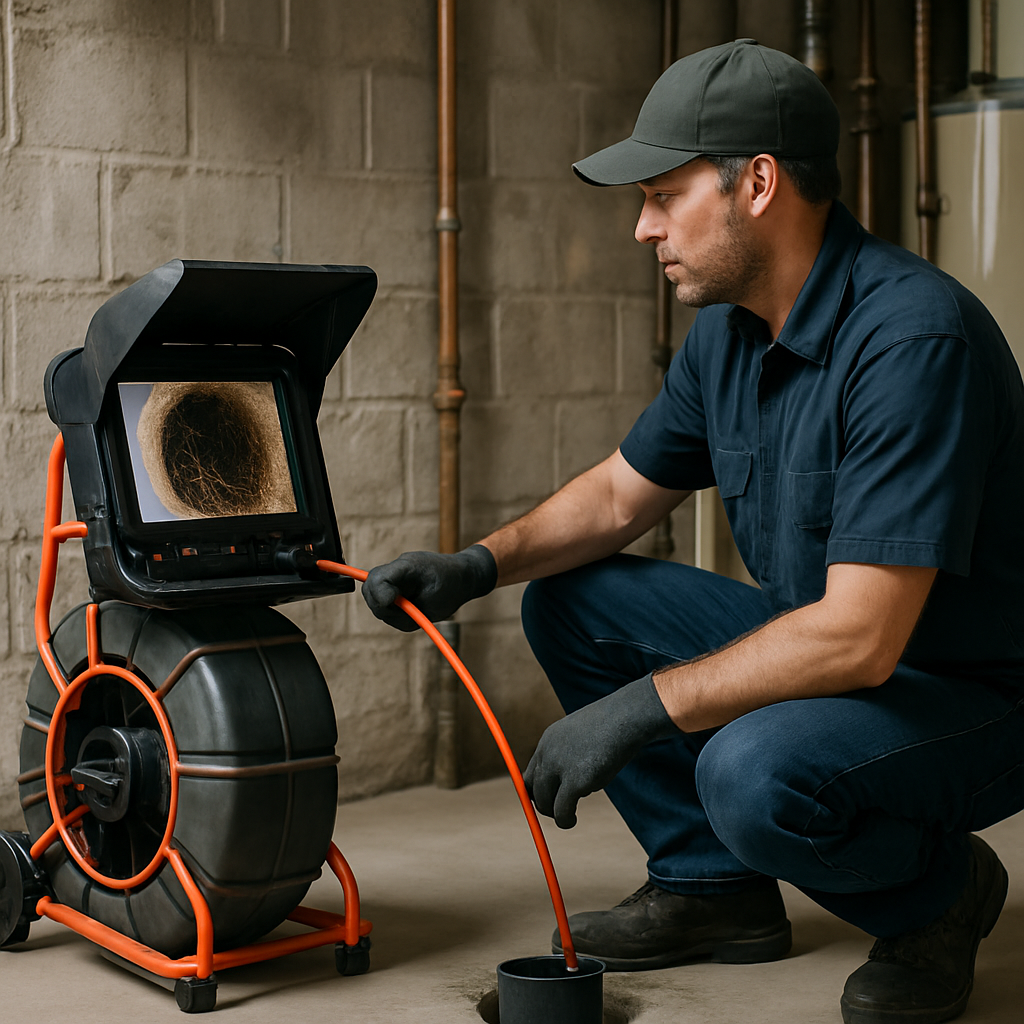
Start with the camera. For any persistent, recurring, or multi-fixture problem a professional will run a video inspection before choosing an aggressive cleaning method. A live camera run through the cleanout or a fixture tells the technician whether the issue is grease, roots, scale, offset joints, or a collapsed section — and that changes the remedy entirely.
Camera inspection: what it reveals and why it matters
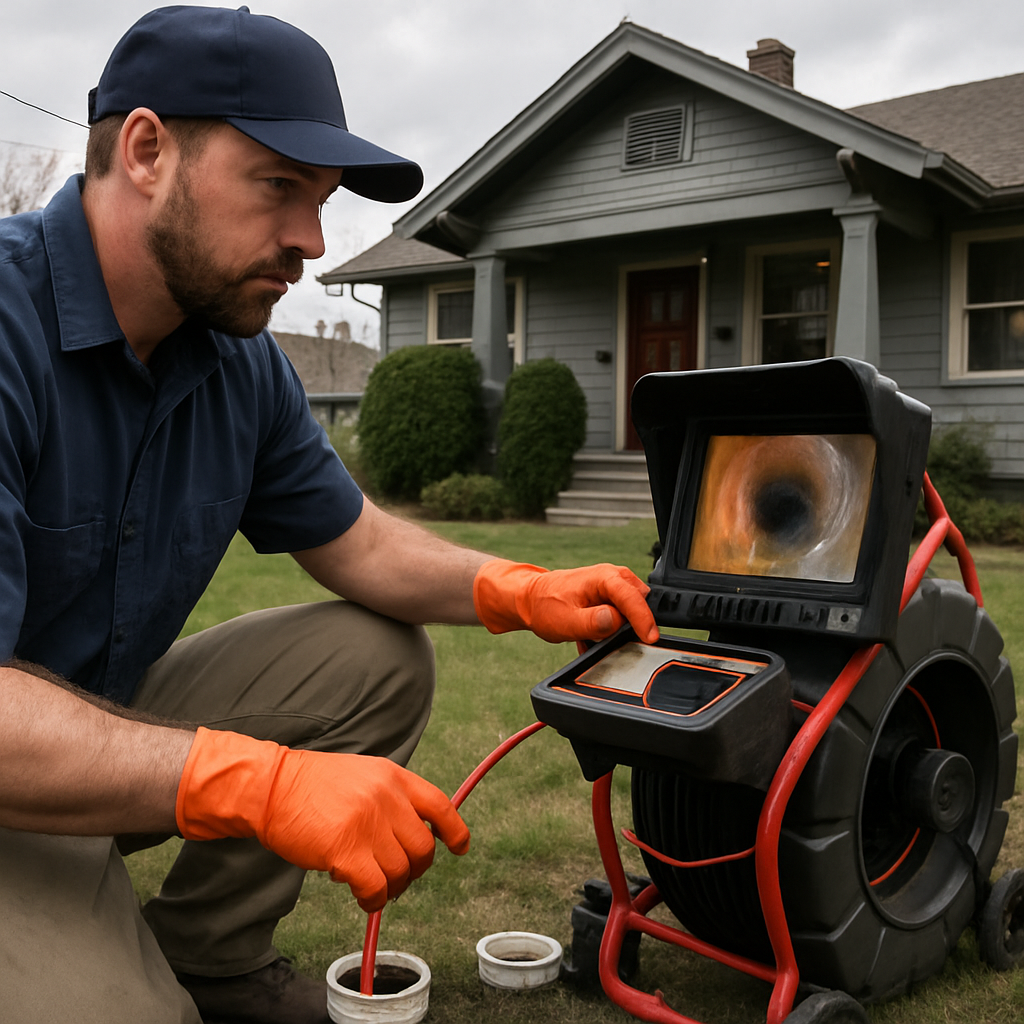
What the camera shows. A SeeSnake-style inspection documents location, distance from the cleanout, and the cause: soft organic build-up, greasy rings, fibrous hair clogs, intruding tree roots, cracked or separated pipe, or collapsed sections. Technicians capture screenshots and a short video you can keep.
Practical workflow. The tech hooks the camera at the cleanout, pushes to the trouble spot while recording, then withdraws and reviews footage with you. This avoids guesswork and prevents unnecessary excavation or repeated service calls.
Concrete example: A Portland homeowner called after their kitchen sink repeatedly filled with water after heavy rain. The camera showed tree root intrusion in the lateral just past the cleanout. The crew recommended trenchless lining instead of repeated snaking; the lining stopped the backups and avoided digging up the yard.
Cleaning tools and the trade-offs
- Mechanical augers (rooter machines): Good for cutting hair and localized blockages. Fast and inexpensive but can compact grease, slice into soft pipe joints, or push debris further if used blindly.
- Hydro-jetting (high-pressure water): Highly effective on grease, scale, and roots when pipes are structurally sound. Trade-off: pressure settings must match pipe condition; jetting a fragile clay or heavily corroded cast iron line risks collapse.
- Combination approach: Camera first, then the least aggressive tool that will solve the documented problem. If jetting is chosen, follow with a camera pass to confirm removal and check for hidden damage.
Judgment call that matters. Any reputable technician will refuse to hydro-jet a pipe that the camera shows is crumbling. Over-eager cleaning is a common cause of worse failures; the correct trade-off is between complete cleaning and preserving pipe integrity.
When repair outpaces cleaning
Trenchless lining versus replacement. If the camera shows structural damage, cured-in-place pipe (CIPP) lining is often the next step. Lining seals cracks and stops roots without full excavation, but it reduces internal diameter and has limits if joints are widely separated or pipe is collapsed.
Aftercare, documentation, and permits. Expect before/after video, a written estimate for any repair, and a clear warranty period. For sewer lateral work in Portland, professional teams will advise on permits and responsibilities; see Portland Bureau of Environmental Services for local rules.
What to expect from a pro visit. A proper diagnostic plus the least-invasive fix usually takes 60 to 120 minutes. Ask the crew to show you the camera footage, explain the chosen method, and provide a written scope before they start work. If you want details on how River City Plumbing runs inspections and cleaning, see our Drain Cleaning – River City Plumbing page.
Risks, liabilities, and safety considerations for DIY and pro work
Two risk buckets matter most: immediate health hazards and long term property liability. Handling raw sewage, caustic chemicals, or power augers without the right protections creates both a safety incident and a paper trail that can complicate insurance and municipal responsibilities.
Practical safety tradeoff. A plunger or manual hair snake carries low immediate risk when used correctly, but chemical cleaners and rented power tools create tradeoffs: they may clear a clog faster yet raise the chance of pipe corrosion, personal injury, or contamination that makes cleanup harder and more expensive.
Insurance, municipal responsibility, and documentation
Portland specific point: property owners are usually responsible for the sewer lateral to the city main. See Portland BES for details. That matters because an aggressive DIY attempt that damages a lateral can leave the owner liable for repairs and any required permitting.
- Liability issues: Improper repairs or multiple DIY attempts can look like neglect to insurers, potentially reducing or voiding coverage for subsequent failures
- Warranty and equipment risk: Using a power auger incorrectly can damage joints and fittings; that damage is not a manufacturer or contractor fault if you performed the work
- Health risks: Raw sewage exposure can contaminate cabinets, insulation, and subfloors; PPE and containment are not optional when sewage is present
Concrete example: A homeowner in Northeast Portland used a strong chemical drain opener on a repeat bathroom clog. The product corroded an older trap and created a slow leak under the vanity. When a camera inspection later showed joint failure and water damage to the cabinet base, the insurance adjuster classified the loss as maintenance related, complicating coverage for repairs.
Actionable rule of thumb. If raw sewage, multiple fixture backups, a foul sewer odor, or yard pooling is present, stop DIY. Photograph the scene, avoid adding more chemicals, and preserve receipts for any tools you used. That evidence helps a technician diagnose the root cause and supports any insurance conversation.
Technician safety note. Tell the pro exactly what you tried and what products you applied. Residual chemicals and DIY modifications change the safe repair method and the protective equipment the crew must use, which can change the cost and timing of the visit. For details on professional scope and diagnostics see Drain Cleaning – River City Plumbing.
Next consideration: If liability, contamination, or municipal permitting could be involved, prioritize diagnosis and documentation over continued DIY attempts. That decision often saves money and avoids a worse repair later.
Decision checklist with specific action steps and how to engage River City Plumbing
Quick decision first: if you have sewage backing into the house, multiple fixtures blocked, or sudden heavy pooling in the yard, stop DIY and call for emergency help. These are property and health risks that do not wait for a weekend.
- Immediate emergency actions: turn off any sump pumps that could push water into the house, avoid using other fixtures, and contain visible sewage with towels or buckets. Then call for emergency service.
- Safe DIY try-first (timeboxed): use a plunger or a manual drain snake for 10 to 20 minutes on a single fixture. Take photos of any material you remove and note whether the clog clears fully or returns within 24 hours.
- When to stop DIY: if the clog returns, other fixtures slow, or you smell sewage after your attempt, stop and move to a professional assessment.
- Gather evidence for the technician: take photos of backups, note when the issue started, whether it follows heavy rain, and whether you have an exterior cleanout. Email or attach these to your booking to speed diagnosis.
- Decide urgency versus cost: choose emergency dispatch for active backups or health hazards despite higher fees; choose scheduled same-day or next-day for persistent slow drains that do not present immediate health risks.
What River City Plumbing will ask for and why it matters: technicians need the symptom timeline, fixture list, property access details, and whether a cleanout is on the exterior. That information determines whether we send a camera crew, hydro-jetting truck, or a two-person team with a mechanical auger.
On the first visit — practical expectations: River City Plumbing performs an initial inspection, opens the cleanout when possible, and runs a live camera so you see the issue. You will receive a clear estimate before any cutting or high-pressure work. The crew explains options: spot snaking, hydro-jetting, or scheduling a more extensive lateral repair if roots or collapse appear.
Tradeoff to weigh: approving hydro-jetting on the spot fixes most grease and root intrusions quickly but can be more expensive than a mechanical snake. If the camera shows fragile, aged pipe, aggressive jetting risks making the situation worse; a conservative plan or trenchless lining may be the better long term choice.
Concrete example: a Portland homeowner called after their kitchen sink backed up every time it rained. River City Plumbing booked a same-day visit, ran a camera through the cleanout, found root intrusion in the lateral, and performed targeted hydro-jetting to restore flow. The camera proof and report made a subsequent trenchless lining decision straightforward when roots returned later.
- What to have ready before booking: address, best contact number, photos of backups, whether you have a yard cleanout, and any recent plumbing work.
- How to book: call or use the online request form on the Drain Cleaning – River City Plumbing page. For non-urgent issues request a same-day or next-day appointment to avoid emergency premiums.
- Questions to ask during scheduling: will a camera inspection be included, is hydro-jetting an option, what warranties apply, and what are emergency versus scheduled rates.
Next consideration: if your issue is persistent but not an immediate hazard, document symptoms, book a scheduled inspection with camera diagnostic, and avoid aggressive DIY that could change the problem before the technician arrives.