

How to Find the Best Portland Plumbers: Tips for Choosing a Reliable Local Pro
When a burst pipe or no-hot-water emergency hits, you need one of the best portland plumbers fast but not at the cost of unlicensed work or a vague estimate. This guide gives a practical checklist to verify license and insurance, compare written estimates, handle Portland permit requirements, and vet emergency response so you can hire with confidence. Use the phone scripts, red flags, and local resources here to shortlist a reliable local pro and avoid common scams.
Immediate triage for urgent plumbing problems
Act now to stop damage — not to negotiate price. If water is actively escaping, your priority is containment and safety. Stopping the flow and documenting the scene are the two actions that save homeowners the most money and trouble later.
Immediate actions to limit damage
- Shut off water to the affected area. Close the nearest shutoff for the fixture; if you cannot find it or the leak is major, turn off the main water valve. Common locations in Portland homes are near the water meter in the basement, utility room, or at the street-side meter box.
- Kill electrical risk. If water is pooling near outlets, appliances, or a water heater, switch off the breaker for that area. Do not stand in water while touching electrical panels.
- Stop sewage backup risks. If raw sewage is coming up, avoid draining sinks, toilets, or using water. Keep people and pets out of contaminated areas.
- Contain and document. Put buckets/towels under drips, move valuables, take time-stamped photos or short video for insurance, and note when you shut valves.
- Temporary patch only. Use pipe clamps or rubber and hose clamps as a temporary fix if you know what you are doing; these are stopgaps, not replacements.
Trade-off to recognize: turning the main off stops damage but also shuts off water for toilets, showers, dishwashers, and fire suppression sprinklers if you have them. If you have a compromised elderly resident or medical need for running water, weigh that before shutting everything off and tell the dispatcher.
Red flags that require an emergency plumber now
- Burst pipe spraying water or high-volume flow that you cannot control.
- Sewage backing up into living spaces.
- Water coming through a ceiling or near electrical fixtures.
- Rapidly spreading visible mold after a recent leak (ongoing moisture).
- **No hot water for an entire building if people rely on it for health reasons or businesses need it.
Practical insight: emergency response is worth the premium when the leak is active or contamination is present. If the leak stopped and damage is contained, you can often schedule a next-day visit and avoid emergency premiums — but confirm the system is secure before delaying service.
60-second call script for emergency plumbing Portland
- Identify yourself and location. Give the full address and whether unit/access codes are needed.
- State the problem clearly. Example: flood from ceiling, burst pipe under sink, sewage backup in basement, no hot water building-wide.
- Confirm safety risks. Mention electrical involvement, visible mold, or any gas smell (if gas present, call utility company immediately).
- Say what you already did. Tell them if water or power has been shut off and whether you are standing in water.
- Ask for ETA and emergency fee disclosure. Request an arrival window and the trip or after-hours charge so you can decide rapidly.
- Provide best contact and access instructions. Include phone, whether someone will meet them, and where keys are if applicable.
Concrete example: A tenant called at 2:15 a.m. for a burst upstairs supply line. The landlord shut the main, moved furniture, photographed damage, and used the script above. River City Plumbing responded, confirmed scope, and began emergency repairs the same night, preventing ceiling collapse and expensive mold remediation.
If you need immediate help, ask the dispatcher for ETA and explicit emergency rate before agreeing to service.

How to verify license, insurance, and regulatory compliance in Oregon
Start here: verify the CCB record. The Oregon Construction Contractors Board (CCB) is the authoritative source for whether a plumbing contractor is legally registered to work in Oregon. Do not rely on a business card or a website claim alone; get their CCB license number, look it up at Oregon CCB, and confirm active status and classifications before scheduling work.
What to check on the Oregon CCB listing
- Active status – listing must say active; expired or suspended is a red flag
- Classification / scope – ensure plumbing or mechanical work is covered for the job you need
- Bond and disciplinary history – note open claims or complaints that suggest recurring problems
- Business name and license number match the estimate – names that do not match complicate enforcement if something goes wrong
Insurance matters in three practical ways. Ask for a Certificate of Insurance showing general liability with limits and the insurer contact, plus a workers compensation policy number or exemption letter. If the COI lists a different business name or the carrier cannot confirm the policy, treat the claim as incomplete until verified by phone with the insurer.
- Acceptable proof – current COI with policy number and effective dates; insurer phone contact is acceptable for verification
- Workers comp – required if the contractor has employees; sole proprietor exemptions exist but should be documented
- Subcontracting – if a subcontractor will do the work, get THEIR license and insurance too
Permits in Portland are not optional for many jobs. City of Portland Bureau of Development Services issues plumbing permits for water heater replacements, sewer work, major repiping, and anything that affects sanitary or gas systems. Confirm in writing who pulls permits and who pays permit fees. Unpermitted work can be rejected at resale, force a costly re-do, and hamper insurance claims after damage.
| Item to verify | Where to verify | What counts as proof |
|---|---|---|
| CCB license status | Oregon CCB | License number with active status and correct business name |
| General liability insurance | COI from the carrier; call insurer to confirm | Certificate of Insurance with policy number and expiration date |
| Workers compensation | Contractor provides policy number or exemption | Workers comp policy number or written exemption |
| Permit responsibility | City of Portland BDS | Contractor confirms in writing they will pull permits and schedule inspections |
Practical trade-off to accept. Licensed, insured plumbers usually cost more up front, but that cost buys you enforceability, insurance coverage for accidental damage, and correct permit handling. Choosing an unlicensed or uninsured operator to save a few hundred dollars often creates three to five times that cost if something fails, a neighbor reports work, or a resale inspection finds unpermitted alterations.
Concrete example: For a water heater replacement in Southeast Portland, a homeowner asked the plumber for the CCB number and a COI before scheduling. The CCB lookup showed the contractor was active and listed for plumbing; the COI named the same business and the insurer confirmed coverage. The contractor pulled the City of Portland permit and the inspector caught an incorrect gas connector that was corrected before final sign-off, avoiding a safety and resale issue.
Sample 30-second verification script to use during the call or email. Please email your CCB license number, a current Certificate of Insurance showing general liability limits and insurer contact, and confirm whether you will pull the City of Portland permit for this job. I will verify the CCB listing and insurer before scheduling a site visit.
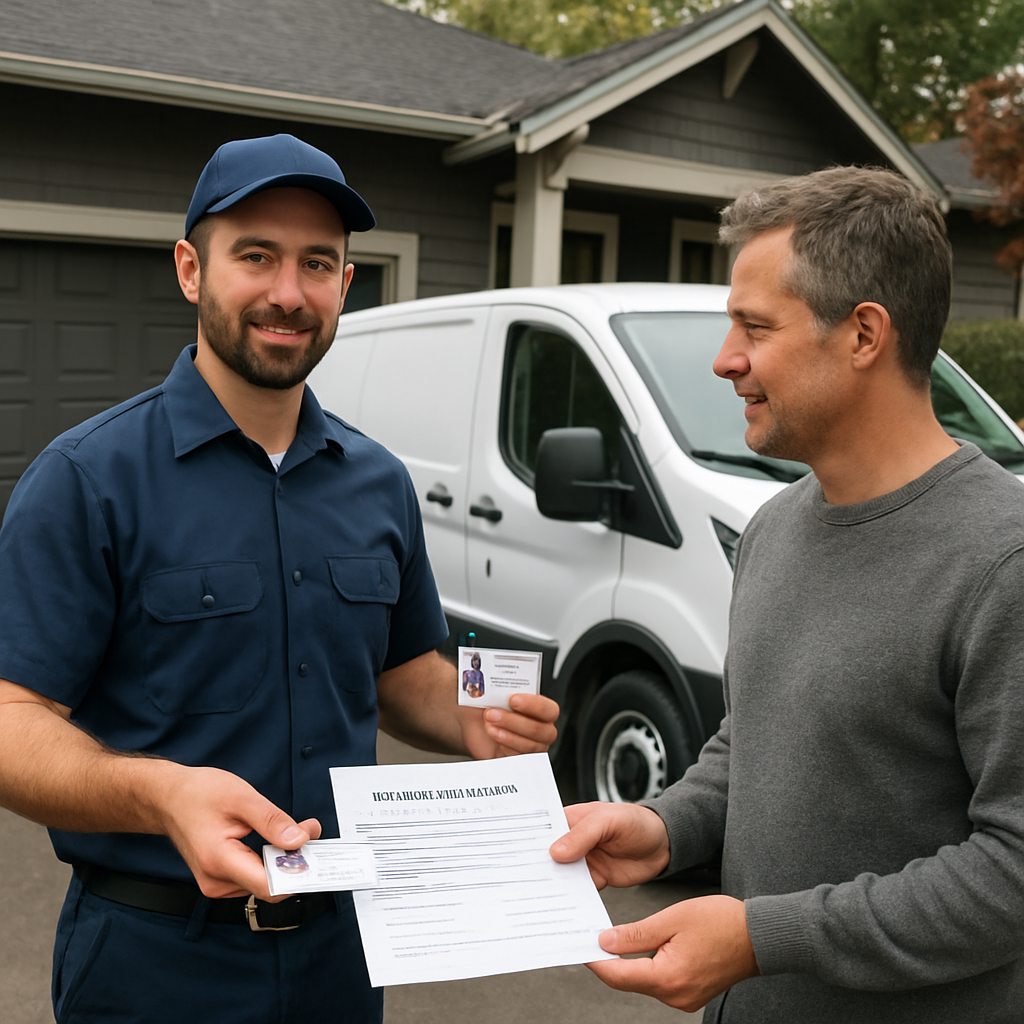
Where River City Plumbing fits. If you want a quick example of how a reputable local provider presents credentials, view River City Plumbing service pages and contact options; they list emergency response and permit-handling practices clearly at Portland Plumbing Services | River City Plumbing. Use that page as a model when you compare other estimates and credentials.
How to evaluate reviews, references, and local reputation
Start with reviews as signals, not seals of approval. Online ratings point you toward candidates but don’t replace direct verification. When hunting for the best portland plumbers, pay attention to the pattern and recency of feedback, the kinds of jobs customers mention, and whether the company responds constructively to criticisms.
Where to look and what actually matters
Primary sources. Check Google Reviews and Yelp first for volume and recent activity, then cross-check Angi/HomeAdvisor and the Better Business Bureau for complaints or patterns. A long string of 5-star reviews posted in a short window is a red flag; a steady mix of reviews across several years is more credible.
- Recency over average score. Prefer companies with multiple reviews in the last 12 months for ongoing work in Portland neighborhoods.
- Project photos. Before-and-after photos for water heater installation, sewer line repair, or repiping are stronger evidence than short praise comments.
- Responses to complaints. A professional reply that offers to inspect or fix a problem shows accountability. Deleted or ignored disputes do not.
- Specificity. Reviews that name parts, brands, permits, inspectors, or crew names suggest real jobs rather than fabricated praise.
Practical trade-off to expect. Top technicians who solve complex problems like slab leaks or sewer camera diagnostics often attract mixed reviews about price or timing. That is not necessarily a disqualifier — for complicated work, prioritize demonstrated technical competence and warranty terms over a perfect star rating.
How to vet references so they tell you something useful
- Ask for recent, relevant references. Request two customers from the last year for the exact job type you need (for example, tankless water heater installation or sewer line repair).
- Phone the reference. Ask: Did the plumber pull permits? Was the job completed on schedule? Were any issues covered under warranty? Would you hire them again?
- Request documentation. Ask current vendors for before/after photos, permit or inspection numbers, and the written estimate they received.
Concrete example: A Portland homeowner with recurring backups shortlisted three firms via Google and Yelp. They asked each for a reference who had a sewer line replaced in the last nine months, confirmed the permit inspection number with the City of Portland, and compared photos showing proper pipe bedding and connections before hiring. That extra step avoided a contractor who used unapproved pipe materials on the first inspection.
Watch for fake-review patterns. Multiple short reviews with generic praise, the same phrasing across accounts, or reviewers who only have one review are suspect. Also check whether reviews mention written estimates, warranty fulfillment, or inspection pass — those are harder to fake and more meaningful.
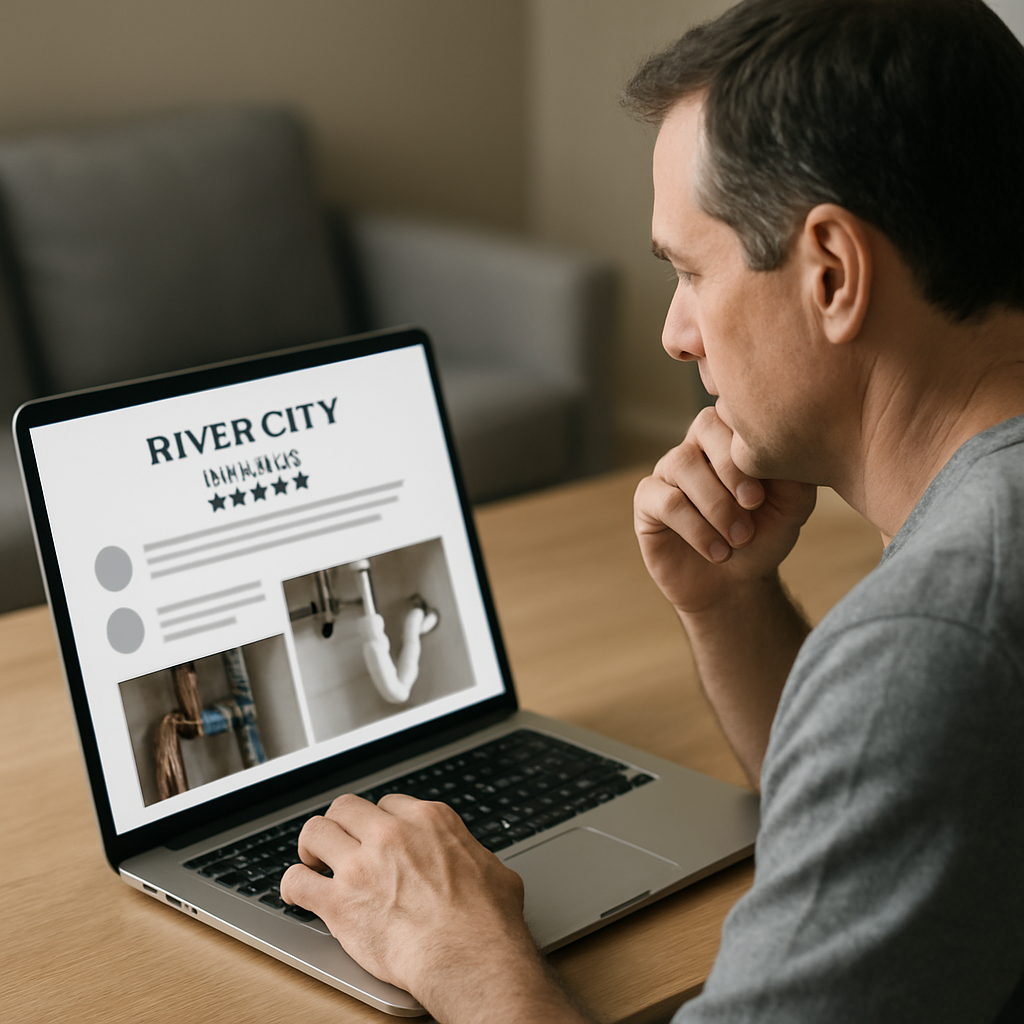
Final consideration: After you shortlist 2–3 candidates based on reviews and references, call each and request a written estimate plus at least one recent client reference for the same job type before scheduling work or paying a deposit.
Questions to ask during the estimate and sample call scripts
Start here: a short checklist of questions asked the right way exposes vagueness, hidden costs, and whether a plumber actually knows the problem before quoting. These questions separate the best portland plumbers from the ones who sell you time-and-materials surprises.
Core questions to ask on the first call
- What is the exact scope you would propose and what is excluded? Ask them to state the scope in plain language so you can compare estimates later.
- Will you provide a written estimate and how long is it valid? If they hesitate, that is a red flag—good contractors commit to a dated written price.
- Who pulls permits and pays permit fees? Permits matter for water heater replacements, sewer work and major repipes—expect a yes and an explanation of costs.
- What brands and warranty come with the parts you propose? Parts warranty length and brand matter more than the lowest parts price.
- How do you price labor and parts markup? Ask for a labor rate, expected hours or a flat price, and the parts markup percentage if any.
- Do you carry general liability and workers comp? Request certificate details and a license number so you can verify on the Oregon CCB site.
- What is your ETA and do you charge a dispatch or emergency fee? For emergency plumbing Portland demands quick response; get arrival window and fee disclosure.
- Who will be here — employees or subcontractors — and can I meet the technician during the estimate? You want the crew that will do the work to be the one that gives the scope.
Practical trade-off: a quick virtual estimate saves time but increases risk of missed problems. Insist on an on-site estimate for water heater installation, sewer line repair, or any job that may reveal hidden damage or access issues.
Sample phone script — 60 second emergency call
Script: Hello, my name is [Your Name]. I have an active leak at 123 Main St, Portland — water is coming from the basement ceiling and the floor is pooling. Building type: single-family home. No gas smell, but electricity is near the affected area. Can you confirm your ETA, call-out fee, and whether you can shut off the main and board up the area? I need arrival time and a ballpark for emergency service.
Sample phone script — estimate/booking call (3 minutes)
Script: Hi, I need a written estimate for a water heater replacement at 123 Main St. Current unit: 50-gal electric, 12 years old. I want a mid-efficiency 50-gal replacement with permit pulled. Please tell me: estimated total price, parts brand and warranty, who pulls the permit, timeline, and your payment schedule. Can you confirm you will provide a written estimate within 24 hours?
Concrete example: A landlord called three plumbers for a tank water heater swap. One quoted verbally over the phone and showed up with a different model, refused to pull a permit, and charged extra for vent work discovered on site. The contractor that provided a written estimate specifying brand, venting scope, permit responsibility, and arrival window finished on time and passed inspection. The written scope made that decision trivial.
Judgment call: prioritize plumbers who put these items in writing and will meet you on site. A slightly higher, transparent bid with a warranty and permit handling saves money and headaches; the cheapest vague quote rarely is the best value for home plumber services in Portland.
Next step: when you are ready to request a written quote, include photos and the address in your email and use a provider page like River City Plumbing Portland Plumbing Services so the company has context before the visit. For permit questions, cross-check the contractor on the Oregon CCB lookup.
Comparing pricing models and understanding common cost drivers
Price format matters more than the lowest number. Plumbers quote in several distinct ways — hourly (time-and-materials), fixed/flat price, package pricing, or cost-plus — and each suits different job types. If you treat every estimate the same you will pick the wrong contractor for the job more often than not.
How each pricing model behaves and when to use it
- Fixed/flat price: Best for routine, well-defined installs like standard water heater replacement or faucet swaps. Advantage: predictable total cost. Trade-off: contractor may exclude edge cases or charge for unforeseen access work.
- Hourly / time-and-materials: Appropriate for diagnostic work, slab leaks, or jobs with unknown conditions. Advantage: you pay for actual work. Trade-off: costs can balloon without controls; require a clear hourly rate and a parts markup cap.
- Package / unit pricing: Used for recurring services like drain cleaning subscriptions or multi-fixture repiping priced per linear foot or per fixture. Advantage: simplifies budgeting. Trade-off: may hide per-unit variation if scope isn't clear.
- Cost-plus / parts markup: Contractor bills cost of parts plus a percentage. Advantage: transparent on parts cost if receipts provided. Trade-off: open to high markup unless capped in writing.
- Emergency / after-hours premiums: Expect explicit extra fees for nights, weekends, or immediate response. Note: ask for the emergency fee in writing before dispatch.
Practical insight: For a predictable replacement pick a flat price with branded parts and a written warranty. For anything buried or diagnostic-first, insist on hourly with a written not-to-exceed cap and a capped parts markup (10–20%). That combination limits your downside while letting the pro work efficiently.
Common cost drivers Portland homeowners should expect
- Labor rate and travel/dispatch fee: Higher in evening or for urgent response; ask whether techs are journeymen or apprentices.
- Parts quality and brand: Premium parts raise upfront cost but reduce callback risk; check warranty terms.
- Permits and inspections: City of Portland permit fees and required inspections add both cost and time — confirm who pulls permits (Portland BDS).
- Access and demolition: Cutting concrete, removing cabinets, or working in crawlspaces increases labor and disposal costs.
- Specialty equipment: Sewer camera, hydro-jetting, or temporary bypass pumps are charged separately and can be the dominant line item on sewer jobs.
- Disposal and remediation: Old-water heater disposal, contaminated soil, or mold remediation are often quoted separately.
Concrete Example: A clogged main sewer often starts as a flat-rate camera and root-cutting job. If the camera shows a broken pipe, a flat quote becomes impossible — the contractor should present a secondary repair estimate with explicit unit prices for excavation, pipe type, and backfill. For a water heater swap, a single flat number that includes haul-away, permit, and local code work is the simplest and usually the best value.
| Pricing model | When to prefer | What to require in writing |
|---|---|---|
| Fixed/flat price | Standard replacements and installs | Scope, part brands, warranty, permit responsibility |
| Hourly (T&M) | Diagnostics, unknown/hidden conditions | Hourly rate, estimated hours, cap, parts markup limit |
| Package / unit | Planned repipes or subscription services | Units defined, exclusions, timeline, warranty per unit |
| Emergency premium | After-hours urgent response | Arrive window, emergency fee, estimate of additional costs |
Next practical step: When you request estimates, use the same checklist to normalize them: scope, brands, labor hours or flat total, permit handling, timeline, warranty, and payment terms. If you want a local example of a clear service page and contact route, see River City Plumbing Portland plumbing services for how professionals present scope and emergency availability (River City Plumbing).
Common scams and red flags specific to Portland area
Key point: Portland has predictable scam patterns after storms, sewer backups, and during busy repair seasons — recognize the tactics so you can act fast without handing over cash or consent to unpermitted work.
Red flags to watch for in Portland
- Door-to-door emergency fixes: Someone shows up claiming they found a problem in your block and offers a cut rate immediate repair. Reality: this often avoids permits and uses unlicensed labor.
- Pressure for cash only or large up-front deposits: Requests to avoid card payments or receipts are a sign the contractor does not want a paper trail.
- Unmarked vehicles or no local address: Companies that cannot provide a verifiable Portland area address or use generic mobile numbers are harder to hold accountable.
- Bait-and-switch estimates: A low verbal or online price, then surprise line items on arrival like camera fees, rooter hydro-jetting, or excavation surcharges.
- Free camera inspection that turns into an expensive repair: Free inspection is fine when disclosed, but using it to manufacture urgent-sounding issues is common.
- Refusal to provide a license number or pulling permits later: If a plumber dodges the topic of permits or license info, stop and verify independently.
Practical tradeoff: Emergency situations sometimes force quick hires. In those cases accept that response speed will cost more, but insist on a short written authorization that lists scope, a capped not-to-exceed amount, and a requirement that the contractor obtain permits afterward. Paying more for speed is reasonable; paying more to avoid records is not.
Concrete example: After a heavy rainstorm a homeowner in Lents had sewer backup. A man came door-to-door offering immediate excavation and repair for cash. The homeowner agreed to avoid waiting, but the crew left behind shallow patches and no permits. Weeks later the City cited improper repairs and the homeowner paid to have the line corrected under a city permit. If the homeowner had asked for a brief written authorization and the contractor company name to verify on Oregon CCB first, they could have avoided the follow-up expense.
What to do when you suspect a scam: Stop work if possible, document photos and messages, withhold final payment until you have a written invoice and confirmation of permit filing, and escalate to authorities if needed. File a complaint with Oregon CCB for unlicensed contractors, and with City of Portland BDS if permits were bypassed. You can also report business conduct to the BBB.
Judgment call most homeowners miss: A tidy, lowball on-the-spot repair often trades short-term savings for long-term risk to property value and insurance coverage. If a contractor insists unpermitted work is fine because it is minor or cosmetic, treat that as a red flag and ask for the permit process in writing.
If time is critical: hire a licensed local emergency plumber and accept a higher fee rather than an unverified fast fix — you can close the financial gap later through documented warranty claims or insurance if the job was licensed and inspected.
Why River City Plumbing is a local example and how to request a quote
Concrete point: River City Plumbing is a useful local example because its Portland service pages show the specific signals you should look for when vetting the best portland plumbers: clear service offerings, emergency availability, contact options, and direct links to request a quote. Review their Portland plumbing services page to see how a reputable provider lists service area, typical jobs, and emergency response terms Portland Plumbing Services | Emergency Plumber | River City Plumbing.
What to include when you request a quote
- Exact address and building type: full street address and whether the property is single family, multiunit, or commercial so the pro can confirm service area and travel time.
- Clear symptom description: short sentence about the problem – for example, water under the water heater, gurgling toilet, or sewage smell in basement.
- Photos or a short video: images of the fixture, serial plate, and the surrounding area cut the time needed for follow up questions and can remove the need for a preliminary site visit.
- Appliance make and age: model and tag information for water heaters or sump pumps speeds parts research and warranty checks.
- Access and safety notes: gated entry codes, locked areas, or pets on site so the crew can plan the visit.
- Availability windows and urgency level: preferred days/times and whether this is an emergency that may require after-hours service.
Tradeoff to understand: Virtual estimates save time but often understate risk. For routine work like drain cleaning a video or photos will usually yield an accurate quote. For work that commonly hides additional issues – water heater replacement, sewer line repair, repiping, or slab leaks – plan for an on-site inspection. Paying a modest inspection fee for an accurate on-site estimate is often cheaper than accepting a low preliminary quote that later grows when hidden damage appears.
| Estimate type | When it works | Limitations |
|---|---|---|
| Quick online quote | Small, simple jobs where parts and access are standard | Can miss hidden damage and usually excludes permit fees |
| Virtual estimate (photos/video) | Good for diagnosing visible issues and saving time | Cannot confirm behind-wall or underground conditions |
| On-site estimate | Required for water heater installs, sewer work, repiping | Takes time and may involve a small inspection fee but yields a firm price |
Concrete Example: A homeowner with a leaking tank water heater should include photos of the leak, the heater tag that shows model and manufacture date, and note any rust or pooling. After submitting that information via the provider contact form the provider may offer a preliminary cost range, then schedule an on-site estimate to confirm whether the tank or the fittings need replacement and whether a permit will be required.