
Professional Plumbing Cleaning: What It Is, Why It Matters, and What to Expect
Recurring slow drains, backups, or sewer odors in a Portland home are rarely fixed by chemical drain cleaners and plungers alone, and they often mask system problems that professional plumbing cleaning is designed to diagnose and resolve. This post breaks down the common methods you will see on the truck, from camera inspection and mechanical snaking to hydro jetting, explains when each is appropriate, and gives realistic expectations for what happens on site, typical costs, and timelines. You will also get Portland-specific notes on private sewer lateral responsibility, environmental considerations, and simple preventive steps to reduce repeat visits or emergency plumbing services.
What professional plumbing cleaning covers
Core scope: Professional plumbing cleaning is not one thing — it is a set of diagnostic and mechanical services aimed at restoring flow and identifying underlying failure modes before recommending repair. Typical components are camera inspection, mechanical snaking/augering, hydro jetting, root cutting and descaling, enzymatic maintenance treatments, and targeted grease trap or septic tank cleaning where applicable.
Localized drain cleaning versus main line and lateral work
Difference that matters: Localized drain cleaning handles single-fixture problems like hair and soap scum in bathroom lines or food grease in a kitchen trap. Main sewer line and private sewer lateral cleaning addresses problems that affect multiple fixtures, persistent backups, or odors coming from floor drains. Choosing the wrong scope wastes money — a snake can clear a sink but will not remove grease lining a long lateral.
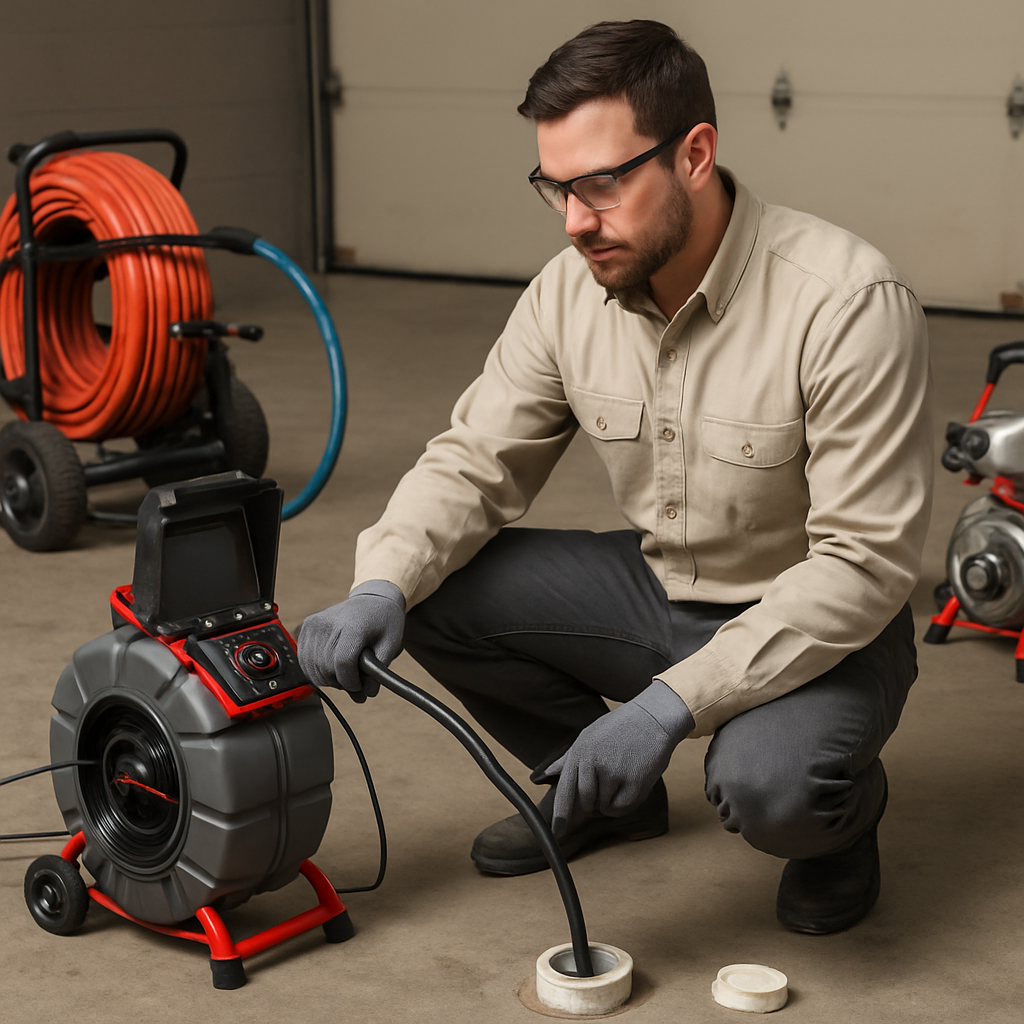
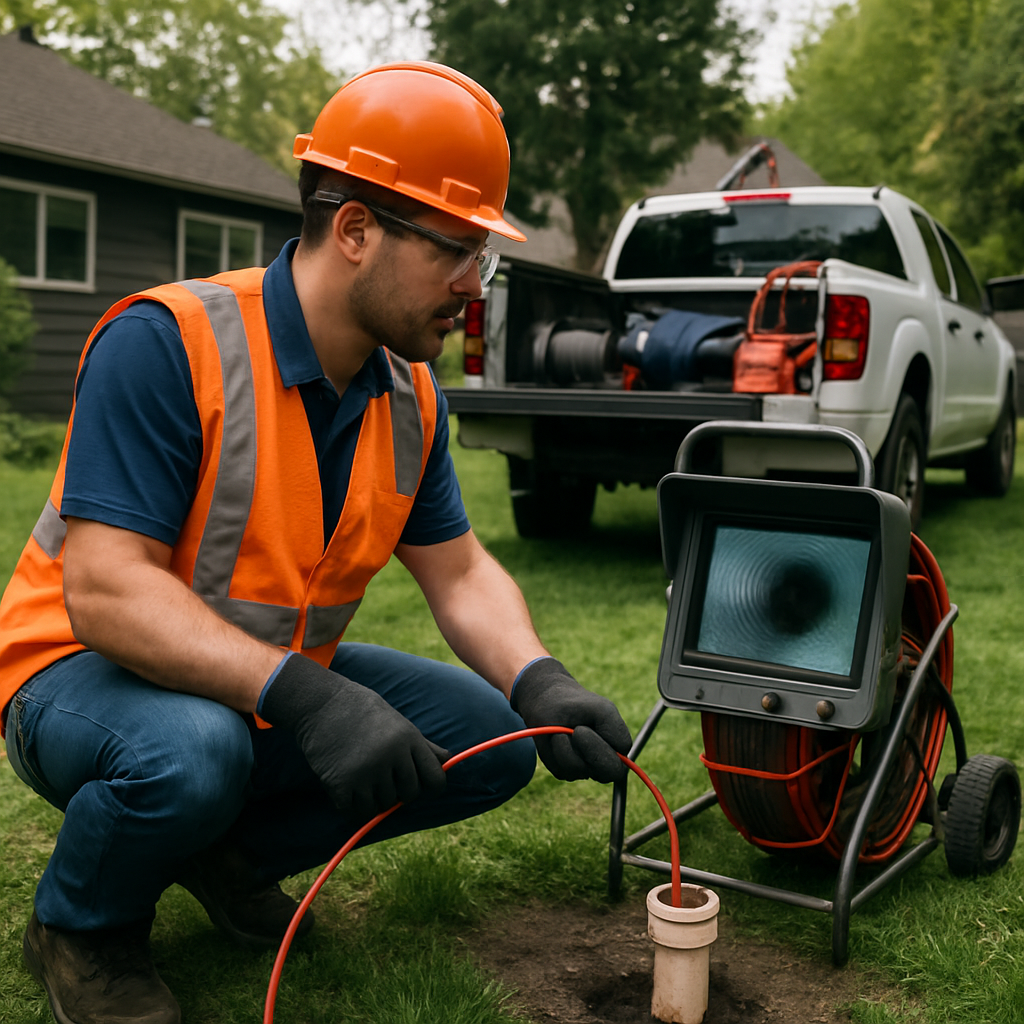
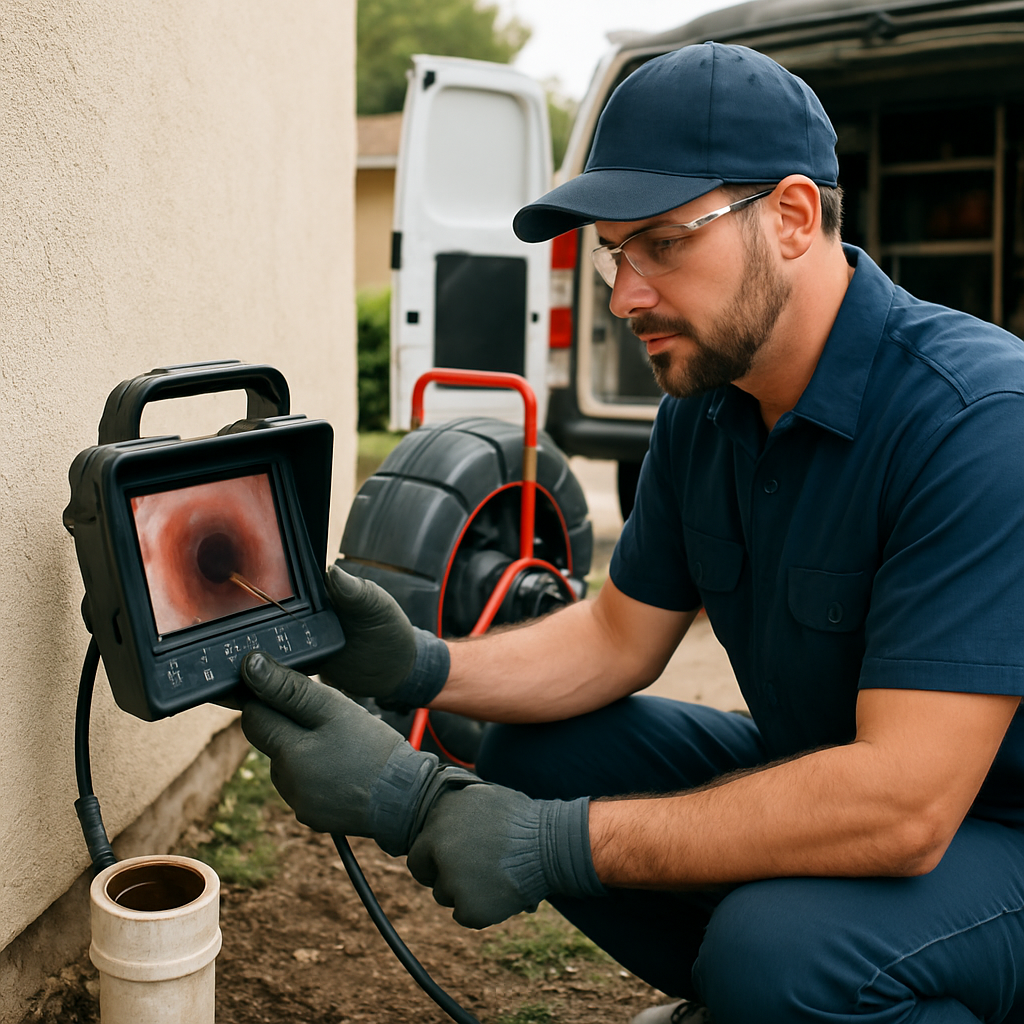
- Camera inspection: Noninvasive video to find exact blockage location and pipe condition using equipment such as RIDGID drain cameras. This should often be the first step for recurring or multi-fixture issues.
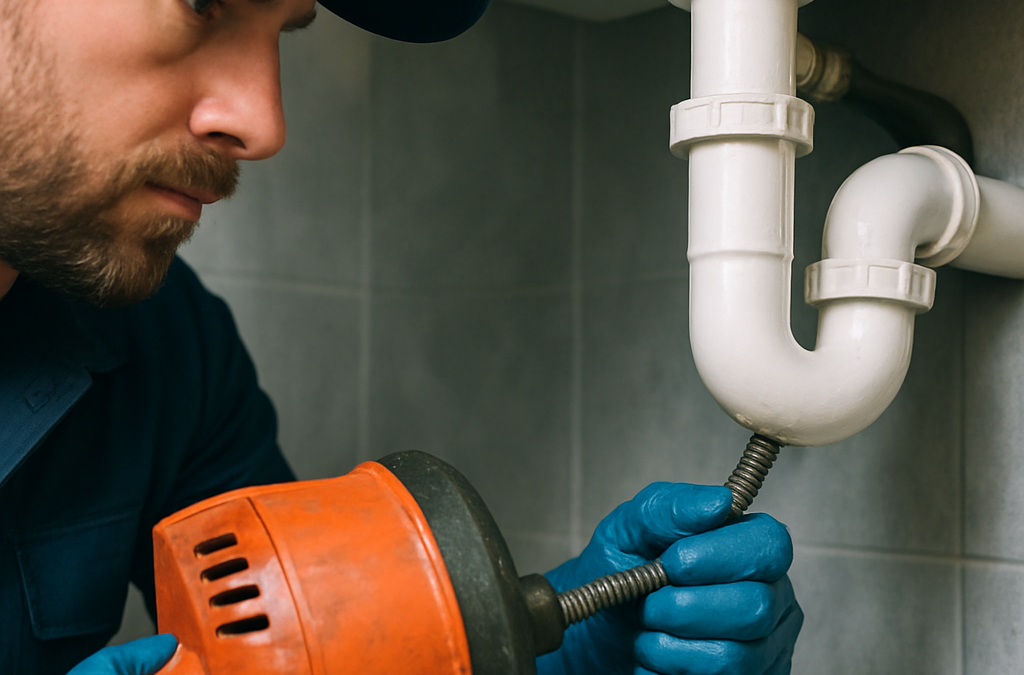
- Mechanical snaking/augering: Fast, low-cost option for localized clogs like hair, wipes, or small foreign objects; best for short runs and minimal buildup.
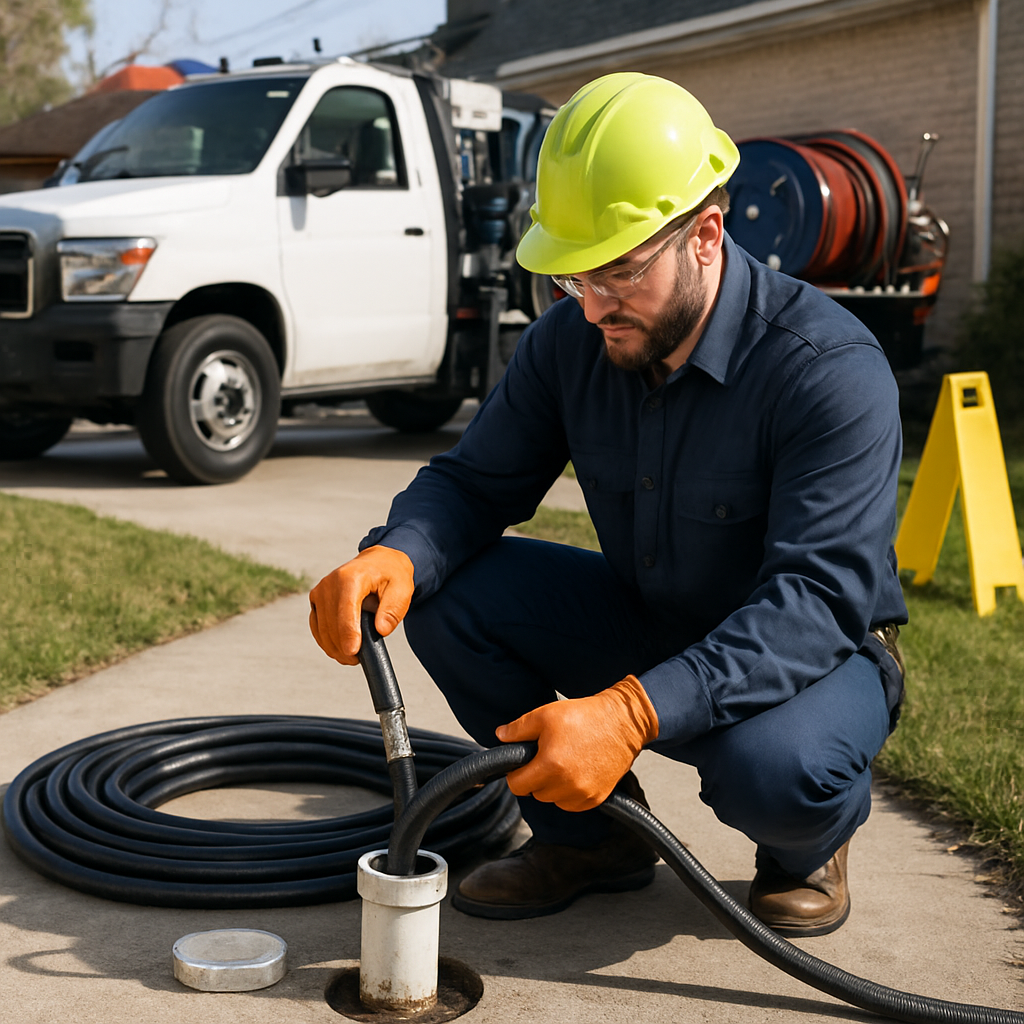
- Hydro jetting: High-pressure water to cut grease, scale, and light roots across the whole pipe wall; effective for main lines and repeat clogs but requires evaluation for older, fragile pipes. See This Old House for method context.
- Root cutting and descaling: Specialized cutters attached to a snake or jet head remove roots and hard scale when they infiltrate joints.
- Enzymatic and professional chemical options: Enzyme treatments for maintenance; professionals may use safer chemical agents when mechanical methods are insufficient, avoiding caustics that harm pipes and the environment.
Practical trade-off: Snaking is cheaper and quicker but short-term for many problems. Hydro jetting cleans the pipe interior and delays recurrence, yet it is more expensive and can exacerbate failures in corroded or heavily deteriorated pipes. In practice, a camera inspection pays for itself by preventing the wrong method from being used.
Concrete example: A rental property with repeated kitchen clogs was cleared three times with a snake over six months. A camera inspection revealed a grease-coated lateral. Hydro jetting removed the buildup, stopped repeat calls, and showed the lateral walls intact — avoiding unnecessary excavation. The follow-up recommendation was annual main line cleaning because tenants cooked frequently.
Next consideration: If you suspect a private sewer lateral issue in Portland, start with inspection and cleaning before planning excavation; consult Portland Bureau of Environmental Services guidance and consider scheduling a targeted inspection through Portland Plumbing Services.
Common causes that lead to professional cleaning
Most repeat cleaning calls come from predictable build-up and intrusion, not mystery failures. Hair and soap, kitchen grease, mineral scale, and tree roots are the usual culprits — each demands a different diagnostic approach and has different odds of returning after a single service.
The usual suspects and why they matter
- Hair and soap scum: Common in bathroom lines; creates shallow, recurring blockages that respond well to snaking but often require follow-up if hair traps aren’t used.
- Grease and food solids: Kitchen drains collect congealed fat and starch that build a hard, adhesive layer on pipe walls — cleaning clears flow, but preventing pouring grease down the sink is the only long-term fix.
- Mineral scale: Hard water deposits narrow pipes slowly; scale often coexists with reduced flow and can resist simple augering, making descaling or hydro jetting necessary.
- Tree roots and intrusions: Roots grow into joints and cracks; a mechanical cut or jetting clears them short-term, but roots frequently return unless the damaged section is repaired or lined.
- Foreign objects and misuse: Toys, wipes, excessive toilet paper, or improper disposables create localized clogs. These are straightforward to remove but signal a need for behavior change or fixture education.
- Aging or damaged pipes: Corroded, collapsed, or offset pipes can mimic clogs but won’t stay clear after cleaning; these conditions require repair or replacement rather than repeated cleanings.
Practical insight: If multiple fixtures are slow, suspect the main line or lateral; single-fixture slow drains point to localized buildup. That distinction saves time and money because the right first step is different — camera-first for multi-fixture symptoms, targeted snaking for a single sink.
Trade-off to know: Aggressive methods like high-pressure hydro jetting clear grease and roots effectively but can expose or worsen brittle joints in very old clay or cast-iron pipes. In older Portland homes, start with a camera inspection to weigh the benefit of a deep clean against the risk of destabilizing fragile lines.
Concrete Example: A multiunit rental in inner Portland had repeated upstairs kitchen backups. Camera inspection showed a thick grease ring in the shared lateral combined with early root penetration. We hydro jetted the line to restore flow, documented the condition with video, and then scheduled a targeted root-cutting treatment and a tenant-education plan to stop grease disposal down sinks.
What to do next: If you notice recurring symptoms or your home has older clay lines or mature street trees, prioritize a professional inspection and documentation. For Portland homeowners, that often prevents unnecessary excavation and clarifies whether cleaning will be a long-term solution or only a temporary fix; if you need help scheduling, see our Portland plumbing services page.
Professional cleaning methods and when to choose each
Key point: choose the cleaning method based on what is blocking the line and the condition of the pipe, not on price alone. A low-cost snake is fine for a hair or toilet clog; it is the wrong tool for grease-coated mains, scale, or root intrusion.
Which method for which problem
- Mechanical snaking / augering: Best for localized obstructions like hair, soap, or small objects. Fast, low-cost, and minimal disruption, but it often leaves grease and scale on the pipe walls.
- Video camera inspection: Best first step when the cause is unknown or multiple fixtures are affected. A camera tells you whether the pipe is healthy enough for aggressive cleaning or if repair is needed first. See RIDGID drain cameras for common equipment used by pros.
- Hydro jetting: Use for grease, mineral scale, and long-running buildup. High-pressure water cleans the full pipe circumference. Effective, but do not use on severely deteriorated clay or cast iron without a camera check because high pressure can worsen structural damage. This Old House explains practical limits.
- Root cutting and targeted mechanical tools: Choose when camera shows root intrusion that has not yet collapsed the pipe. This is a stopgap if roots penetrate through joints; they will regrow unless the pipe is repaired or relined.
- Enzymatic and safe chemical maintenance: Use as preventive care, not primary cure. Enzyme products help keep organic buildup slow to return. Avoid recommending strong caustic chemicals for older pipes or near septic systems because of pipe and environmental harm.
Practical tradeoff: hydro jetting cleans best and lasts longest between services but costs more and requires verification that the pipe can handle the pressure. Snaking is cheap and quick but frequently a temporary fix for anything other than a single, mechanical blockage.
Concrete example: A Portland rental property had recurring kitchen clogs every few months. A camera inspection showed a grease-coated lateral; the team recommended hydro jetting, followed by yearly enzymatic maintenance and tenant guidance on grease disposal. The jetting cleared months of buildup in one visit and cut repeat service calls in half, while the camera prevented using high pressure on a damaged pipe.
Common misunderstanding: Many homeowners assume root cutting or jetting permanently fixes root problems. In reality roots are a symptom of compromised pipe joints or material. Hydro jetting or augering cuts roots but does not fix a deteriorated line; pipe repair or trenchless relining is the durable solution.
Bottom line: start with diagnosis. If the plumber cannot inspect the line quickly, ask for photos, a written scope, and a clear fallback plan so you do not pay for a temporary fix that makes a larger repair inevitable.
What to expect during a professional cleaning visit
What to expect: A professional plumbing cleaning visit is structured as a short diagnostic project, not a random service call. Technicians will confirm symptoms, inspect access points, and choose a targeted method – that sequence is what separates an effective cleaning from a repeat clog.
Pre-service triage and arrival
Before the visit: You will be asked specific questions when booking – which fixtures are affected, any recent backups, and whether the home has known tree roots or older clay pipes. Provide photos or short video of standing water or floor drain backups when possible; it saves time and narrows the likely procedures the plumber will bring.
- Initial inspection on site: quick visual check of visible traps, cleanouts, and fixtures.
- Camera inspection when needed: noninvasive video to locate the clog and assess pipe condition – this often changes the recommended treatment.
- Estimate and options: the plumber will outline snaking, hydro jetting, or escalation to repair, with cost ranges and risks.
- Execution: run the chosen cleaning method, confirm flow, and tidy the work area.
- Review and documentation: show the camera footage or photos, leave written recommendations and follow up options.
Time and disruption: Typical snaking jobs take about 30 to 90 minutes; hydro jetting for a main line usually runs 1 to 3 hours depending on access and severity. Practical tradeoff: a camera plus jetting adds time and cost up front but avoids ineffective repeat visits; a quick snake is cheaper but more likely to be temporary when grease, scale, or roots are present.
Concrete Example: A rental property reported slow kitchen drains and recurring backups. The crew arrived, opened the exterior cleanout, ran a camera and found a grease cake 18 feet into the line. They recommended hydro jetting, completed the jetting in about two hours, and then showed the owner the before and after footage with a suggested maintenance interval.
Documentation and follow up: Expect camera video or stills and a written report describing what was found, what was done, and recommended next steps. If the camera shows collapsed pipe, offsets, or damage beyond cleaning, the plumber should provide options such as trenchless lining or excavation and an estimate before further work.
Local notes and next step: In Portland homeowners are generally responsible for private laterals – see Portland Bureau of Environmental Services. Be prepared to clear access to the cleanout, authorize a camera if requested, and ask for written estimates before escalation to repairs or replacement. If you want a provider that documents findings and outlines maintenance, see Portland Plumbing Services | Emergency Plumber | River City Plumbing.
Costs, frequency, and when cleaning is not enough
Cost ranges are wide and predictable — pay attention to the driver, not the sticker price. A simple snaking job for a single fixture often falls on the lower end of the scale, while a mainline hydro jetting with camera diagnostics pushes the price up. Use HomeAdvisor as a baseline, but expect final figures to move based on access, line length, and what a camera finds.
Typical cost drivers
- Access and location: jobs that require pulling cabinets, opening slabs, or working in crawlspaces add time and cost.
- Diagnostics: a video camera inspection adds cost up front but avoids guesswork and unnecessary excavation.
- Method chosen: mechanical snaking is cheaper; hydro jetting and multi-fixture mainline work are pricier but often more durable.
- Complications found: root cutting, offsets, collapsed pipe, or long lateral runs require repair work beyond cleaning.
Practical trade-off: spending on a camera plus hydro jetting usually costs more up front than snaking, but it reduces repeat visits and missed diagnoses. If recurring clogs resume after a low-cost snake, you will likely spend more over a year than you would have on the correct, thorough service initially.
Recommended frequency depends on use and risk factors. For most Portland single-family homes, every 1 to 3 years for mainline maintenance is reasonable. Properties with heavy kitchen grease, rental turnover, or mature trees next to the sewer lateral should budget annual service. Commercial kitchens often need quarterly or monthly schedules tied to grease trap cleaning and waste management.
When cleaning is not enough. Cleaning fails when the pipe itself has failed: collapsed sections, severe corrosion, offset joints, or roots that have broken pipe integrity. Hydro jetting can remove roots temporarily but cannot restore structure. In older clay or compromised cast iron pipes, aggressive jetting risks worsening a fracture — a camera that shows structural damage means repair or trenchless lining is the next step.
Concrete example: A Northeast Portland landlord called after repeated backups in two units. The initial snake cleared each toilet, but backups returned within weeks. A camera inspection revealed extensive root intrusion and an offset in the private lateral. The short-term fix was hydro jetting, but the lasting solution required a trenchless lining of the lateral — more costly but prevented continual emergency calls and tenant disruption.
Next consideration: If you have recurring problems, start with a camera inspection budget line and be prepared to escalate to pipe repair or lining if structural damage is shown. That order — inspect, then decide — saves money and disruption in practice.
Portland-specific responsibilities and environmental considerations
Homeowner responsibility is real in Portland. The Portland Bureau of Environmental Services makes private sewer lateral maintenance the homeowner or property owner responsibility, so expect to be on the hook for repairs beyond the city connection point. Before committing to excavation, get a professional inspection and cleaning; that order of operations often saves time and money and prevents unnecessary permit work. See Portland BES guidance for details.
Environmental practices that matter locally
Avoid caustic short term fixes. Strong chemical drain cleaners may clear a clog quickly but they damage older clay and iron pipes common in Portland and impair municipal wastewater treatment when poured repeatedly down the drain. Use enzyme-based maintenance products for ongoing care and rely on mechanical or high-pressure methods professionally applied for entrenched grease, scale, or roots.
Grease and commercial waste require attention. If you manage a rental or a small restaurant, local wastewater systems are sensitive to fats, oils, and grease. Regular grease trap cleaning and documented waste disposal are not optional for commercial kitchens and they materially reduce frequency of sewer cleaning calls and surcharge risks for the whole neighborhood.
Practical tradeoff: cleaning can expose bigger problems. Hydro jetting is excellent at removing roots and biofilm, but in older or badly corroded pipes aggressive cleaning can turn a slow leak into an active failure. In practice, that means request a camera inspection before high-pressure work when your home has clay tile, cast iron, or you plan to ask for excavation permits.
Permits and coordination are situational. Minor cleaning rarely requires city permits, but extensive lateral repairs, reconnections, or trenching typically involve permitting, inspection, and coordination with BES. Ask your plumber up front whether the recommended repair will need a permit and whether they will handle filing and inspections.
Concrete Example: A landlord in Southeast Portland called about recurring backups. A camera inspection showed root intrusion in the private lateral plus soft spots in a clay run. The plumber hydro jetted the line to restore flow, documented the video, and then recommended trenchless lining as the next step; the landlord paid for the lateral repair and the plumber handled permitting and disposal documentation.
- Before you book: Photograph visible backups and note whether multiple fixtures are affected; bring that when you call to help triage.
- Ask the plumber: Will you capture camera video, how will wastewater and removed debris be disposed, and will a permit be required?
- For rentals and kitchens: Confirm the vendor provides grease trap cleaning records and uses licensed pump trucks for waste disposal to comply with local regulations.
- If your house is old: Insist on camera inspection prior to
hydro jettingto avoid immediate failures that cleaning can reveal.
Key point: Portland homeowners are normally responsible for private laterals; get a camera inspection and written recommendations before authorizing excavation or replacement.
Preventive measures homeowners can take between professional cleanings
Start with habits, not miracles. Small daily behaviors cut most avoidable clogs: keep kitchen grease out of sinks, clear hair from shower drains after each use, and run a basin of hot water through the garbage disposal and drain after heavy cooking to move loosened oils along to the sewer rather than letting them cool and stick.
Routine actions that actually change outcomes
- Hair and debris traps: Install and clean simple strainers on showers and tubs weekly to stop the bulk of hair clogs before they form.
- Grease handling: Wipe pans with a paper towel and throw grease in the trash or collect in a jar for disposal; never pour large amounts down the drain.
- Hot-water flushes: Run hot water for 30–60 seconds after dishwashing to help move oils; this helps but does not replace professional cleaning if grease has accumulated in the main line.
- Enzyme maintenance: Use enzyme-based products monthly to help break down organic buildup. These are safer for pipes and municipal systems than caustic chemicals, but they work slowly and are not a fix for existing heavy scale or roots.
- Avoid chemical overuse: Do not rely on caustic drain cleaners; they can damage older pipes and create hazardous conditions for a technician doing a camera inspection or repair.
Trade-off to accept: Low-effort fixes like enzyme treatments and strainers reduce service frequency but do not replace a proper mechanical cleaning or camera inspection when problems repeat. If you're masking symptoms, you delay diagnosis of a failing pipe.
Upgrades and periodic checks that pay off
- Scheduled mainline maintenance: Book preventive hydro jetting or snaking every 1–3 years depending on household use; high-grease or multiunit properties should consider annual schedules.
- Water treatment for hard water: A water softener reduces mineral scale inside pipes but adds installation and maintenance costs and requires space and periodic salt replenishment.
- Replace troublesome fixtures: Old sink traps, poorly sloped kitchen runs, or undersized vents create recurring clogs; targeted fixture replacement during a remodel can stop repeat service calls—see Remodel & New Construction and Toilet & Faucet Replacement.
Concrete example: A landlord in Southeast Portland reduced emergency plumbing calls from monthly to annual after installing stainless shower strainers, instituting a monthly enzyme dosing routine, and scheduling preventive hydro jetting for the building mainline each spring. The upfront costs were smaller than repeated service calls and tenant disruptions.
Practical judgment: Don’t confuse maintenance with cure. If more than one fixture slows or you smell sewage, call a plumber for a camera inspection instead of relying on DIY fixes. Preventive measures are about stretching the interval between professional interventions, not avoiding them.