Drain unclogging in Portland homes does not have to be guesswork. This practical guide walks through safe, fast DIY fixes, how to identify a mainline versus fixture clog, and clear criteria for when to escalate to professional drain cleaning. You will also get realistic cost and timeline ranges, Portland-specific risks like root intrusion and grease, and simple prevention steps that keep pipes working longer.
Immediate Triage: What to Do First When a Drain Clogs
First priority: stop more water and waste from entering the problem area. Locate and close any nearby fixture shutoff or the house main if the clog is causing backups or overflow. Leaving fixtures on while you fiddle makes a quick mess into a longer, costlier repair.
On-scene checklist (5–15 minutes)
- Isolate flow: Turn off sink faucet, shower valve, or the toilet supply; unplug appliances that drain to the same line.
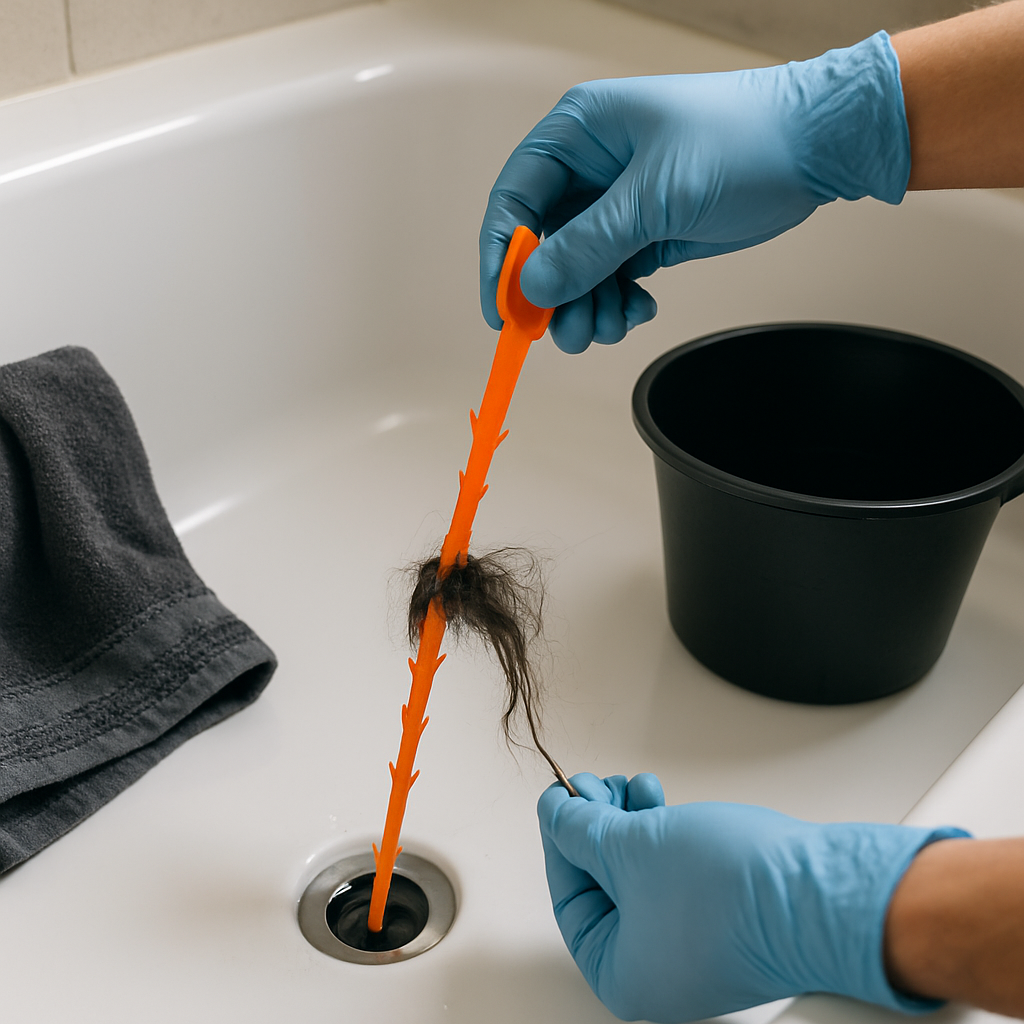
- Remove visible blockages: With gloves and a flashlight, lift the stopper or pop-up and pull out hair and gunk; use a
Zip-Itor needle-nose pliers for reachable clogs. - Contain and protect: Put a bucket and towels under the trap or around the fixture to catch spills; open the outside cleanout only if you know where it is.
- Attempt one controlled tool: Use a flange plunger for toilets or a cup plunger for sinks — limit to a few firm attempts before stopping.
- Record symptoms: Note which fixtures are affected, noises like gurgling, and any sewage odor; this information guides whether you escalate to professional service.
Practical trade-off: spend 5 to 15 minutes on safe containment and one tool attempt, then stop.** Quick mechanical moves often fix trap-level clogs, but repeated plunging or pouring chemicals can push debris deeper or damage finishes. If the first controlled attempt fails, further DIY has diminishing returns and increases risk.
Real-world example: A renter in Sellwood reported a slow shower. The owner shut the bathroom valve, removed the drain plate, pulled a hairball out with a Zip-It, and cleared the remaining obstruction with three measured plunger strokes — full flow returned within 12 minutes. When another toilet on the same line gurgled later that day, they called for a camera inspection instead of repeating the DIY steps.
Limitations to keep front-of-mind: plungers and hand augers are effective for most trap-level clogs — a plunger will clear the majority of simple clogs per field experience — but they cannot reliably fix root intrusion, collapsed joints, or heavy grease in mainlines. Chemical drain cleaners are a poor bet for those causes and can harm pipe seals; see the EPA guidance on fats, oils, and grease for practical disposal steps EPA fats & oils guidance.
If multiple fixtures are slow, toilets gurgle, or you smell sewage, treat this as a mainline problem and call a professional for diagnosis.