
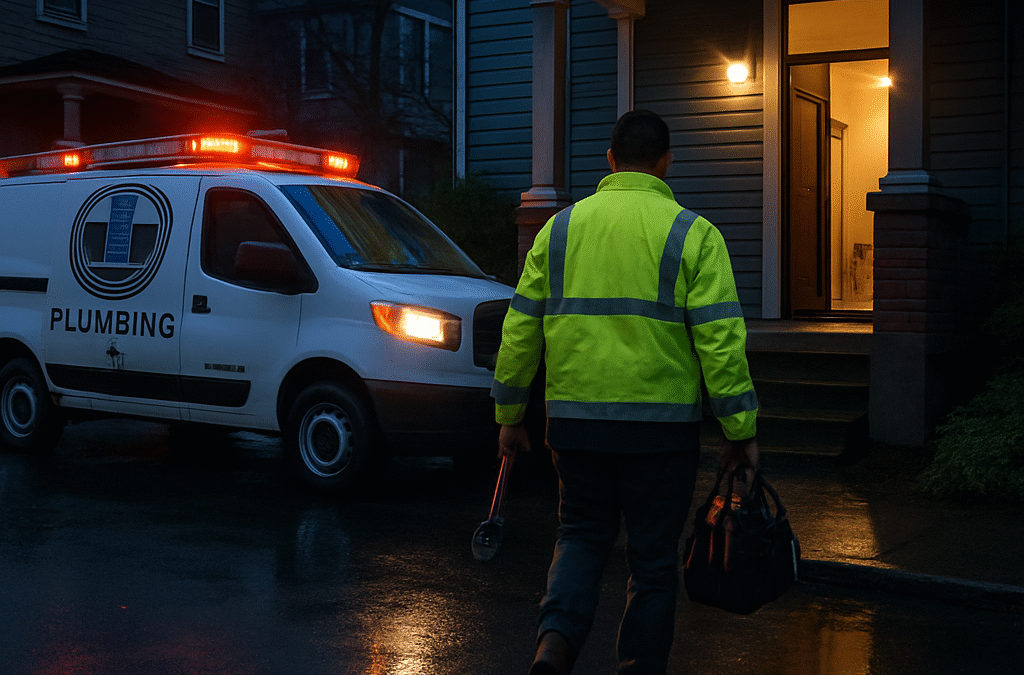
When a burst pipe or sewage backup starts, a prompt response from emergency plumbers portland oregon can limit water damage and reduce repair costs. This short guide sets realistic expectations for response times and emergency pricing, shows how to vet a local 24-hour plumbing service Portland, and lists practical steps to take before and after the technician arrives.
What Portland Residents Should Consider an Immediate Plumbing Emergency
Start with the damage, not the clock. If water is actively flowing where it should not be, or sewage is coming into living spaces, treat it as an emergency and call for help now — waiting to save on an after-hours fee is a gamble that usually costs more in repairs and mold remediation.
Which situations require immediate response
- Active flooding: water pouring from a burst pipe, open joint, or failed appliance that cannot be shut off at the fixture.
- Raw sewage in the home or backing into fixtures: a public health and contamination risk that needs containment and pump-out.
- Major loss of hot water during cold weather with a failing heater and exposed pipes: this can lead to freeze-and-burst events in Portland winters.
- Visible structural leaks near electrical panels or outlets: water plus electricity is an immediate hazard; shut power off to that area if safe and call urgent plumbers Portland.
- Complete loss of potable water from the municipal connection (no water to the building): when municipal supply stops and it affects sanitation, get a Portland OR emergency plumber involved and check with Portland Water Bureau.
Practical limitation: not every unpleasant or inconvenient plumbing issue is an emergency. Slow drips, small leaks behind baseboards you only notice during a heavy rain, or single-drain slowdowns are urgent but typically safe to schedule for regular business hours. The trade-off is timing: delaying can be cheaper upfront but increases the chance of hidden damage and higher eventual costs.
Concrete example: In January a tenant in NE Portland reported a pinhole freeze-split behind a kitchen wall at 9:30 p.m. The homeowner shut the main valve, called a 24-hour plumbing service Portland, and had a temporary clamp installed that night. The quick stop-gap prevented the wall cavity from saturating and reduced the eventual repair bill by thousands.
What to expect when you call: when you reach emergency plumbers portland oregon, explain whether water is still flowing, whether sewage is involved, and whether anyone has evacuation needs. Ask if the technician can perform a temporary mitigation (shutoff, clamp, pump) immediately and then schedule the permanent repair — good contractors will separate emergency mitigation from full replacement to limit cost and damage.
Judgment most people miss: homeowners often hesitate to call after-hours assuming rates will be punitive. The real cost driver is time: if the issue can be stopped quickly, an after-hours mitigation often prevents a much larger daytime repair. Call an after-hours plumber for containment; you can plan the full job later.
Frequently Asked Questions
Direct statement: When water or sewage is actively entering living spaces, call emergency plumbers portland oregon immediately — the rest of these FAQs tell you what to demand from the dispatcher and what outcomes are realistic.
Short answers you can use on the phone
What justifies an after-hours visit? Any situation that cannot be contained by turning off a valve at the fixture, any raw sewage exposure, or water near electrical panels should be treated as after-hours emergency work. If the issue can be isolated and contained safely, a daytime appointment may be acceptable.
How soon will a plumber arrive? Expect variability. Central Portland calls usually get faster dispatch than fringe neighborhoods; weather, traffic, and concurrent city-wide events extend arrival times. Ask the dispatcher for a rolling ETA and a plan for mitigation if the tech will be delayed.
What will I be charged? Emergency work combines a service/dispatch charge, labor, and parts, plus an emergency or after-hours surcharge. Exact totals depend on scope; insist on the surcharge amount and whether initial mitigation is billed separately from permanent repairs.
Will insurance pay? Many policies cover sudden, accidental damage but not damage from deferred maintenance. Photograph everything, keep invoices, and call your insurer early — they will want time-stamped evidence and a contractor invoice for claims.
How do I verify a plumber before they start? Get the business name and Oregon CCB license number and verify it on the Oregon site. For quick verification, ask for the license number on the call and confirm at Oregon CCB.
Are quoted rates negotiable when it is urgent? You should confirm rates before work starts, but negotiating emergency premiums has limited upside. The real leverage is asking for a two-step plan: immediate containment at a clear price, then a separate written quote for the permanent repair.
Practical trade-off to understand: A technician who arrives with a well-stocked van will often stop the damage faster and reduce total hours billed, but vendors may charge for on-hand parts. In practice, paying slightly more for immediate containment usually saves money versus waiting for a cheaper daytime crew and facing higher repair scope later.
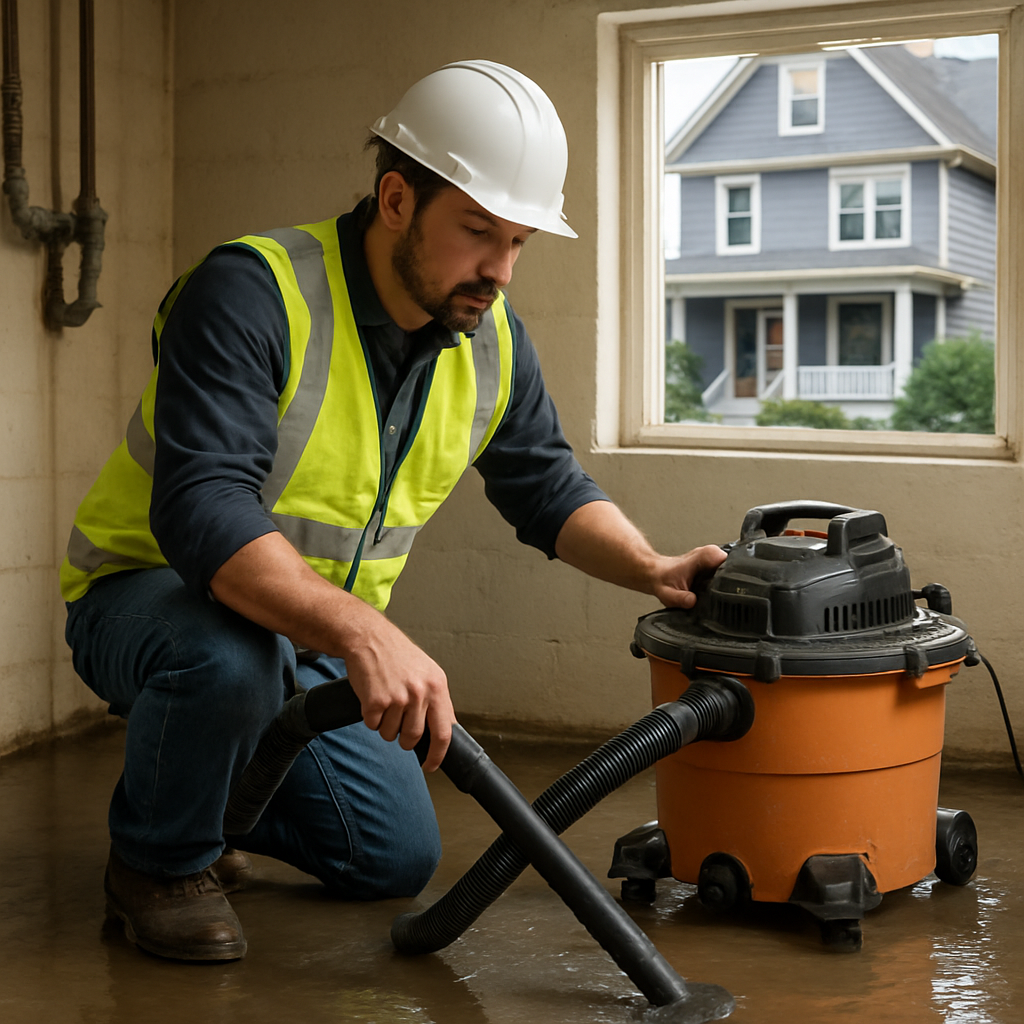
Concrete example: A landlord in SE Portland called about a sewer backup late Sunday. The emergency crew pumped and disinfected the main bathroom that night and documented the condition with photos. The insurer approved the cleanup but denied coverage for the sewer line replacement because the line had known, long-term root intrusion documented in prior maintenance logs — the immediate pump-out limited health risk, but deferred infrastructure work remained the owner responsibility.
- Action 1: If safe, shut the main water and cut power to wet areas; record exact times and conditions with photos or video.
- Action 2: Ask the dispatcher for the contractor business name, Oregon CCB license number, ETA, and a clear price for immediate mitigation.
- Action 3: Keep all receipts, request an itemized invoice, and notify your insurer promptly if damage could lead to a claim.
- Action 4: Schedule the permanent repair during business hours and ask the contractor to separate the emergency mitigation invoice from the repair estimate to preserve negotiation leverage.