
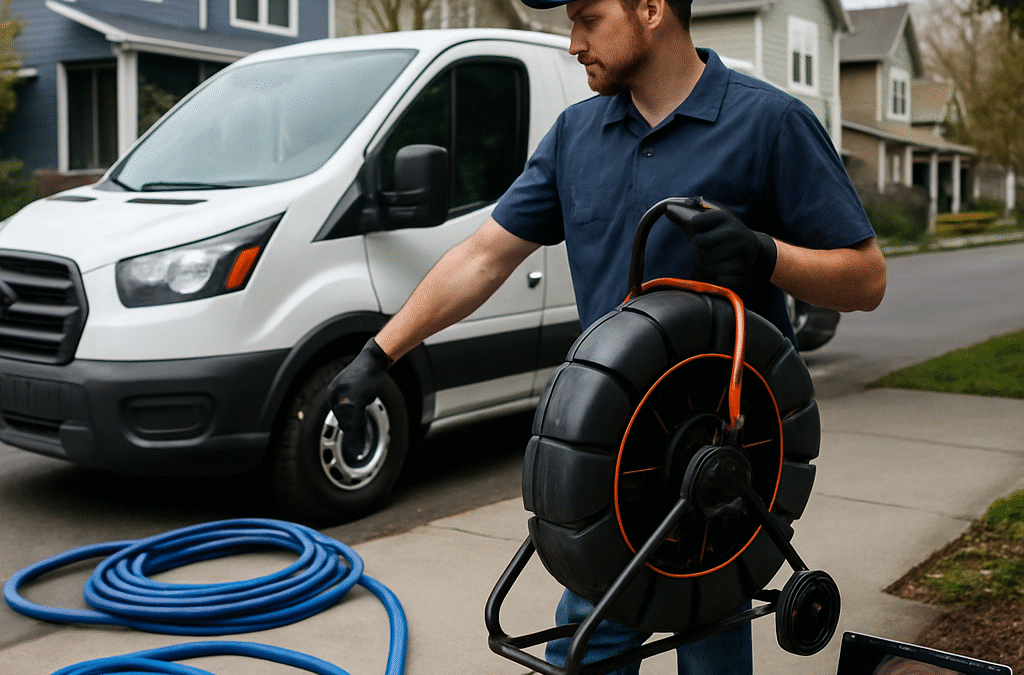
When a clog becomes sewage in the basement or several fixtures back up at once, the situation can escalate to structural damage and health risks within hours. This guide walks Portland homeowners, landlords, and renters through safe, practical steps to take in the first 30 to 120 minutes, how to evaluate temporary fixes, and when to call for emergency drain cleaning from a local 24/7 plumber such as River City Plumbing. You will also learn what professionals do on arrival, typical cost factors, and straightforward prevention steps for Portlands older, root-prone sewer lines.
Recognize a drain emergency and triage urgency
Immediate red flags: if sewage appears inside the building, multiple fixtures back up at once, or the exterior cleanout is spilling or pressurized, treat the situation as an urgent need for emergency drain cleaning and professional response. These situations are not DIYable in a reliable way and need fast containment and diagnostics.
Quick triage checklist
- Is it isolated? Test a separate fixture on a different branch (run the upstairs sink if a downstairs sink is slow). One slow fixture suggests a localized trap or fixture clog; several slow or backing fixtures indicate a mainline issue.
- Check the cleanout. Locate the exterior or basement cleanout cap. If water or sewage is visible at the cleanout or the cap is under pressure, this is a mainline emergency that requires immediate professional intervention.
- Stop using water. Turn off washing machines, dishwashers, and avoid flushing toilets. Continued flow enlarges the damage and complicates repairs.
- Document conditions. Take time-stamped photos or short video of affected fixtures and the cleanout — this speeds diagnosis and supports insurance claims.
- Short experiment only when safe. A plunger or short hand cable on a single fixture is fine for isolated blockages, but stop if you feel hard resistance or if sewage is present; continuing risks pushing debris deeper or causing overflows.
Trade-off to understand: attempting extensive DIY clearing when the mainline is involved often costs more in the long run. A homeowner who keeps snaking and using chemicals may mask the problem, contaminate the line, or void warranty on later professional trenchless repairs. When multiple fixtures are affected, the right first move is to call a 24-hour emergency plumber for diagnostics, not escalate the obstruction.
Concrete Example: A Portland renter notices the basement floor drain bubbling and the first-floor sinks draining slowly after heavy rain. They check the outside cleanout and see water pooling at the cap. They stop all water use, photograph the cleanout and sinks, and call for emergency drain cleaning. When the crew arrives, a camera inspection locates root intrusion in the lateral and the crew recommends hydro-jetting rather than repeated snaking.
If more than one fixture is compromised or sewage is visible at the cleanout, treat it as a high-priority emergency and call for professional help now.
Practical judgment: gurgling toilets or a faint sewer smell alone rarely require an immediate emergency call, but they should not be ignored—these are warning signals that a mainline problem could be developing. Use the checklist above to determine urgency; when in doubt, call a licensed 24/7 service that offers camera inspection and clear documentation, such as River City Plumbing emergency services. Also consult the City of Portland guidance on private lateral responsibilities at City of Portland BES if you suspect a shared or municipal issue.
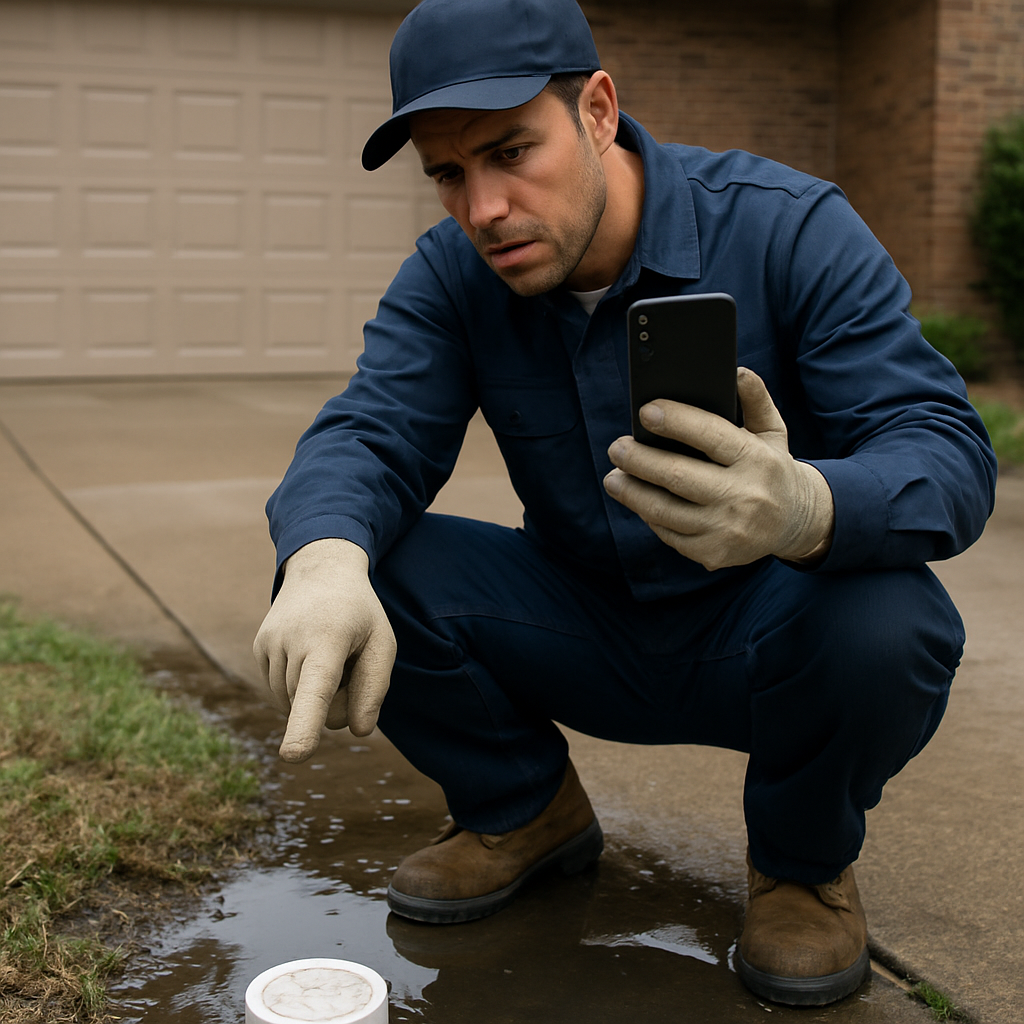
Next: focus on immediate safety and damage-control steps you can take in the first 30 to 120 minutes while you wait for emergency drain cleaning professionals to arrive.
Frequently Asked Questions
Direct answers for decisions now. These FAQs focus on what actually changes the outcome during a drain crisis in Portland – what to expect from a 24-hour crew, what actions are useful before help arrives, and which choices create extra cost or safety risk.
Can I pour a chemical cleaner down a drain when sewage is present?
Short answer: do not. Chemical agents can create hazardous fumes, injure technicians, and leave corrosive residues that damage pipes or obscure camera inspection results. In practice, a line treated with caustics often requires neutralization before any safe video diagnostic or hydro-jetting can proceed, which adds time and expense.
How fast should a crew arrive for a true sewage or mainline back up?
Expectation: emergency responses vary by workload and location, but a high-priority sewage event typically merits a response window under two hours from a local 24/7 provider. Paying the after-hours premium is painful up front, yet in many cases it reduces total repair and remediation cost by stopping damage early – that is the tradeoff to weigh.
What should I tell the dispatcher when I call?
- Be specific: which fixtures are affected and whether sewage is visible.
- Location details: interior floor level, presence of a basement, and where the exterior cleanout is located if known.
- Access constraints: gated yards, pets, or restricted parking that could delay arrival.
- Ask for services: request camera inspection and hydro-jetting capability up front if you suspect a mainline problem.
Tip: asking for camera inspection during dispatch filters out contractors who only offer a blind snaking approach. If you want a provider with documented local experience, mention Portland lateral issues and request footage for insurance purposes – see River City Plumbing emergency services.
Will aggressive cleaning damage old pipes?
Tradeoff to understand: hydro-jetting is the most reliable method for grease and roots, but it can remove encrusted material that has been masking pinholes or thin sections in cast iron or older clay. That can convert a repair from cleaning to replacement. A camera inspection before high-pressure work prevents surprises and helps choose a conservative approach.
Concrete Example: A small Portland cafe had repeated kitchen sink backups. The on-call crew ran a camera, found heavy grease that narrowed the main by 70 percent, and used staged hydro-jetting to clear the line. Because the technicians documented the condition before and after, the owner avoided unnecessary excavation and supplied footage to their insurer for a partial cleanup claim.
Practical judgment: save labor and future headaches by insisting on video diagnostics before extensive repairs. Contractors who resist video diagnostics are more likely to recommend unnecessary excavation or repeat service visits.
Next steps you can take now: 1) Photograph affected areas and cleanout from multiple angles; 2) Call a licensed 24/7 plumber and tell them you want camera inspection and an itemized, written estimate; 3) If sewage is in the living area, isolate the space and avoid contact – keep pets and people out until pros arrive.