

When a leak floods your basement at 2 a.m., calling a local Portland plumbing company that knows the city permit rules, common neighborhood pipe problems, and realistic repair timelines matters more than price. You will learn the concrete benefits of hiring local pros, how to verify Oregon CCB and City of Portland credentials, what to expect during routine and emergency calls, and practical cost, timeline, and warranty ranges to help you choose confidently.
Benefits of Hiring a Local Portland Plumbing Company
Immediate practical advantage: hiring a local Portland plumbing company shortens response time and reduces project friction because the crew already knows how the city enforces permits, what inspectors expect, and which solutions work in Portland soil and housing stock. Local firms frequently offer 24/7 emergency coverage or same-day windows for most neighborhoods; for example, River City Plumbing typically targets a same-day or within-a-few-hour response for urgent calls and provides documented arrival windows for scheduled work.
Local knowledge that prevents costly mistakes
Portland has repeated, specific problems you will not learn from a national script: tree-root intrusions in older sewer lines, failing cast iron or galvanized systems in pre-1950s homes, and neighborhood variations in slope and access that affect pump and trenching work. A local plumber who has repaired dozens of similar systems will recommend the right method on the first visit instead of upselling unnecessary full repipes or temporary band-aids.
- Faster emergency mitigation: local crews know shortest routes and which neighborhoods need priority to limit water damage.
- Permit and inspection fluency: a local contractor understands the City of Portland process and can pull permits correctly — see City of Portland BDS and verify contractors via Oregon CCB.
- Neighborhood-specific fixes: technicians familiar with Southeast, Northeast, and Northwest Portland can predict root patterns, venting problems, or basement slope issues.
- Accountability: local reputations matter; you can check recent projects and ask neighbors for references.
- Long-term cost control: correct first-time repairs reduce repeat calls and insurance disputes over code compliance.
Trade-off to consider: smaller local shops excel at residential work and quick responses, but for large commercial scopes or major trenching you may need a local company with heavy-equipment capacity or a specialist subcontractor. In practice, the sensible approach is to choose a local firm that will either perform the work in-house or coordinate the right specialist rather than forcing the job into a one-size-fits-all solution.
Concrete example: a Northeast Portland homeowner called about repeated sewer backups. A local crew performed a camera inspection, pulled the required City permit, and recommended trenchless pipe lining to avoid ripping up a landscaped yard. The job took three business days from permit to final inspection, kept restoration costs low, and passed the City inspection on the first appointment.
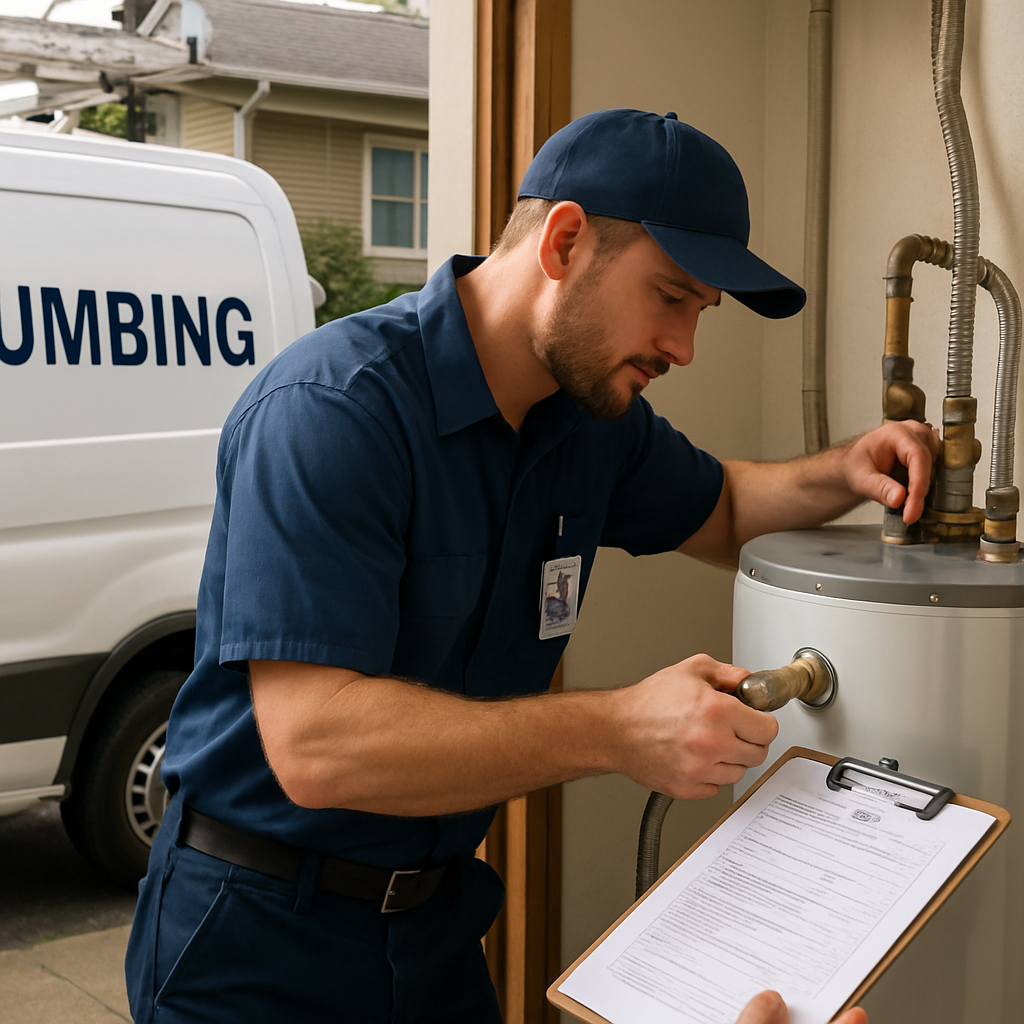
Next consideration: when you call, have property photos, appliance models, and any past permit records ready so the local contractor can give a realistic arrival window and scope on the first call.
Licenses and Permits That Matter in Portland and Oregon
Start here: a plumber's paperwork determines who carries the risk and how fast a job can move. In Oregon you should verify three separate things: Oregon Construction Contractors Board (CCB) registration, compliance with Oregon Building Codes Division (BCD) plumbing rules where applicable, and the correct City of Portland permits and inspections for the specific job.
Verify CCB registration and what it shows
- Get a CCB number: ask the contractor to provide their
CCBnumber before booking. Then check it at Oregon CCB license lookup. - Confirm active status and business name: the lookup shows whether the registration is active, any disciplinary actions, and the business doing work under that number.
- Check bonding and trade classifications: CCB records indicate bond amounts and whether the contractor is registered for the appropriate trade. This matters for larger jobs.
- Ask for certificate of insurance: CCB registration is not insurance proof. Request a current COI and, if the job is large, call the insurer to confirm coverage dates and limits.
Practical limitation: CCB registration proves a contractor is legally registered, not that every technician on-site has a specific plumbing certification. For complex plumbing — gas line work, backflow prevention, or medical facility ties — require documentation of the craftspeople credentials and BCD-relevant compliance.
Common Portland permits and who usually pulls them
| Permit or Approval | When it's normally required | Typical responsibility |
|---|---|---|
| Water heater replacement | Replacing or relocating a water heater or changing venting/fuel type | Contractor usually pulls permit; inspection required by BDS |
| Sewer lateral repair or replacement | Any work on the private sewer lateral between house and main | Contractor pulls a City permit; separate public ROW permits may be needed |
| Major repipe (whole-house) | Replacing large sections of supply piping or converting systems | Contractor pulls permit and schedules inspections |
| Gas line installation or repair | New gas appliance, relocation, or fuel type change | Licensed contractor pulls permit; coordination with utility may be required |
Trade-off to accept: permits add time and cost up front but prevent bigger delays at closing, insurance disputes, or failed inspections later. Skipping a permit might speed a job by a day or two, but it can create a lien, force a redo, or invalidate insurance coverage if something goes wrong.
Concrete example: a homeowner in Kerns scheduled a water heater swap with a cheaper, unvetted tech. The unit was installed without the city inspection; at final sale the buyer's inspector flagged nonpermitted work. The seller had to pay to bring the installation up to code and provide documentation. A licensed local contractor such as River City Plumbing would have coordinated the permit, inspection, and warranty paperwork from the start.
Key action: before any work begins, get the contractor's CCB number, request a current COI, and require a written statement about who will obtain permits and schedule inspections.
Next consideration: when evaluating bids, weigh verified licensing and documented permit handling above small price differences — the cheapest no-paper job often becomes the most expensive later. If you want to check permit histories yourself, use City of Portland BDS and the Oregon CCB lookup before signing a contract.
What to Expect During a Routine Service Call
Arrival protocol: when you book with a Portland plumbing company expect a confirmation call or text with a narrow arrival window, visible ID on the technician, and a branded vehicle. A competent crew will bring a written intake form and a draft scope so you and the tech start the visit with the same expectations.
How the technician diagnoses the problem
Systematic diagnostics: a routine call is rarely guesswork. Most visits follow a pattern: interview the homeowner about symptoms, inspect visible fixtures and access points, reproduce the issue when safe, and run targeted tests such as pressure checks, moisture scans, or a small camera run for sewers. If a tech immediately recommends a full repipe without basic tests, that is a red flag.
Practical limitation: some problems — intermittent leaks, buried sewer defects, or hairline slab leaks — require diagnostic steps that add time and cost. Expect a diagnostic fee or a two-step plan (diagnose then quote). Many reputable local firms credit that fee toward the repair if you proceed that same day.
Concrete example: a homeowner reports a slow sink drain. The tech isolates the trap, runs a camera 15 feet into the drain, and finds a grease build-up near the P-trap. The technician clears the obstruction, tests flow, and provides a one-page estimate for a longer hydro jet if buildup recurs. The visit took 75 minutes and included a clear line-item for labor, camera time, and parts.
Estimate, permissions, and the decision point
Written estimate before work starts: demand a one-page estimate that lists labor, parts, and any permit or disposal fees. A reliable contractor will note whether the job requires a City of Portland permit and who will pull it — see City of Portland BDS. Choosing a flat-rate for a well-defined scope reduces surprises; hourly makes sense when diagnostics reveal uncertain conditions.
Judgment call: accepting repairs on the spot is convenient but increases risk of scope creep. If the tech presses for immediate full replacement without showing documented findings, ask for a short pause to get a second estimate or request photographic evidence of the defect.
- What should be provided before you pay: a signed estimate, expected timeline, parts brand/model, warranty terms, and who will handle permits.
- What good documentation looks like: before-and-after photos, serial numbers for installed equipment, and a digital invoice referencing any pulled permits.
- When to hold payment: if the permit is required but not pulled, withhold final payment until you receive the inspection sign-off or the contractor shows proof they submitted for it.
Cleanup and warranty handoff: expect basic cleanup and a one-page warranty or service receipt. Good local shops will email permit receipts and inspection numbers or link them to your invoice so you can verify work with the City. If a contractor resists documenting warranty coverage in writing, consider that a legitimate reason to pause.
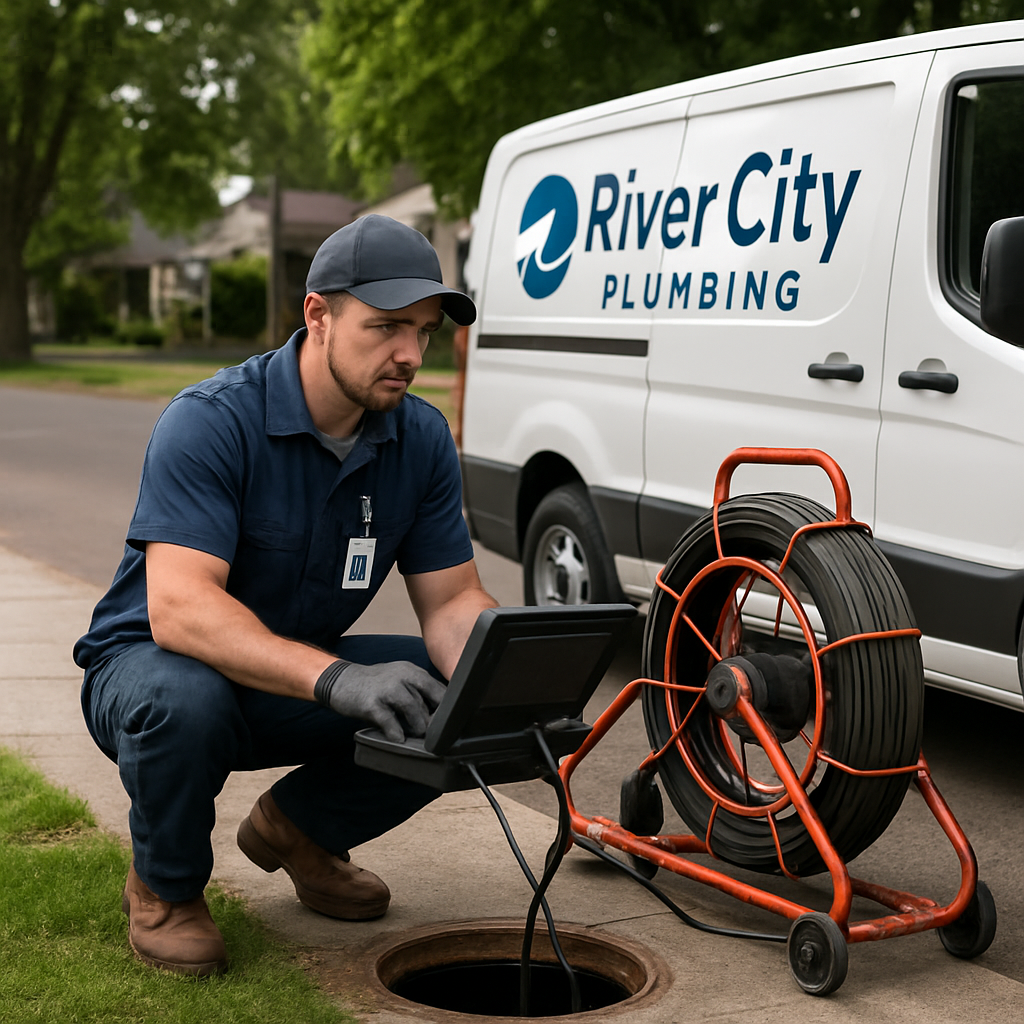
Next consideration: for routine calls, the single most useful habit is simple: get the scope and estimate in writing up front, and verify permit responsibility. That small step prevents most disputes and makes follow-up calls and warranty claims straightforward.
Emergency Plumbing Response: Steps, Priorities, and Mitigation
First priority: stop the hazard and limit property loss. In a real emergency the clock is literal — uncontrolled water damages finishes, wiring, and personal property in hours. The immediate work is triage, not final repair: shut off flow, remove standing water, and make the site safe for workers and occupants.
On-scene priorities for an emergency plumber
A qualified emergency crew moves through four tightly sequenced actions to keep damage down and preserve insurability. Expect clear, pragmatic steps rather than cosmetic fixes: identify the source, stop or isolate flow, mitigate ongoing damage, and document everything for insurance and permits.
- Stop the flow: locate and close the nearest shutoff or the main water valve to stop active flooding.
- Assess safety risks: electrical hazards, gas, and structural concerns take precedence — the plumber will pause and call the appropriate trades if needed.
- Contain and remove water: deploy pumps, wet vacs, and containment to protect finishes and slow mold growth.
- Temporary stabilization: install a clamp, valve, or capped section to make the system safe until a permanent repair is scheduled.
- Document the damage and action: take photos, note times, and get a written emergency invoice — this is critical for insurers.
- Plan the permanent repair: outline permit needs, permit timeline, and whether the job requires a separate return visit for full replacement.
Practical trade-off: emergency measures are deliberately provisional. A clamp or patched splice stops the immediate loss but can complicate final repairs or a later inspection if not logged and replaced. Expect most emergencies to require two visits — an emergency mitigation and a permanent fix — and budget accordingly.
Concrete Example: A renter in Southeast Portland woke to a burst copper branch feeding a laundry sink. They shut the unit valve, called a local Portland plumbing company, and the crew arrived within 90 minutes, installed a temporary shutoff and portable pump, dried the area enough to avoid electrical hazards, photographed the damage, and left a written scope and permit note for a scheduled permanent repair the next business day. The documentation made the insurance claim straightforward and the permanent repair required a single permit inspection.
When to involve utilities or other trades
If the issue stems from a public main, contact the Portland Water Bureau immediately; plumbers cannot repair a city main. If water reached electrical panels or appliances, expect the plumber to recommend a licensed electrician. For multifamily buildings, coordinating with property management is necessary because shutting the main may affect multiple units and legal notice rules can apply.
Important: authorize only necessary emergency work verbally but require the crew to follow up with a written scope and a commitment on who will handle permits and inspections.
Next consideration: treat emergency response as damage control, not the finish line. Verify the plumber provides written documentation, a permit plan, and a clear timeline for the permanent repair. If a contractor resists putting the permit responsibility and follow-up in writing, pause and get a second opinion — that one step prevents most later disputes with insurers and inspectors. For immediate local help, see River City Plumbing emergency services.
Cost Expectations, Pricing Transparency, and Financing Options
Straight rule: expect the invoice to be three things — an itemized scope, visible permit and disposal charges, and a clear change-order process. If any of those are missing from an estimate, the final bill will be higher and harder to dispute.
What drives price in Portland: labor (crew time and emergency premiums), materials (brand and warranty), site access (basement, crawlspace, yard restoration), and municipality costs (permits, ROW work, inspection re-visits). Seasonality matters — after-hours or winter emergency calls commonly add a premium that is separate from the repair.
Breaking down common invoice line items
Most reputable Portland plumbing companies will show these distinct lines: diagnostic fee or initial visit, labor hours or flat-rate task, parts and manufacturer model numbers, permit and inspection fees (listed separately), disposal or municipal hookup charges, and any subcontractor or equipment rental costs (excavator, crane, backhoe). Ask for estimated hours and a material allowance so you can see where changes will increase cost.
- Financing options: short-term credit card, third-party point-of-sale financing, contractor-arranged monthly plans, or bank/home equity lines. Compare the APR and total cost — financing makes sense for high-value, long-life upgrades but is usually a poor choice for small repairs.
- Deposit and retainers: reasonable jobs often require a small deposit to order parts; major jobs may request a phased payment schedule tied to milestones and inspections. Never pay a large cash-only deposit.
- Change orders: require a written change order that lists added scope, new price, and permit implications before the crew proceeds. A verbal ok is weak evidence in a dispute.
Practical trade-off: paying for a faster emergency call reduces immediate damage but increases the bill. Conversely, delaying a repair to shop around can save money on labor but risks escalating property damage and insurance claims. Choose based on exposure — if water is actively damaging finishes, prioritize speed; if it is contained, use the time to verify quotes and permit handling.
Concrete example: A homeowner in Alameda needed a failing water heater replaced. They used a 12-month, low-interest contractor finance plan to avoid draining savings. The local crew pulled the City permit, completed install in one day, and the homeowner paid predictable monthly payments — total cost exceeded cash price by finance charges, but the household avoided weeks without hot water and a stalled sale contingency.
Quick judgment: finance long-lasting upgrades (tankless heaters, repipes with long warranties); pay cash for short-term fixes and diagnostics when possible.

Questions to Ask Before Hiring and How to Verify Credentials
Start with three nonnegotiables: legal registration, insurance that covers your exposure, and verifiable local work. Hireability is not a feeling — it is a short checklist you can confirm in 10 to 20 minutes that separates legitimate Portland plumbing companies from risky hires.
Licensing and technical qualifications
Ask for the business registration ID and technician credentials. Request the contractor business registration (the CCB ID), then confirm active status and any disciplinary notes at Oregon CCB. For specialized work – gas lines, backflow, or medical facility plumbing – also ask for the specific craft certificates or BCD-relevant documentation and check Oregon Building Codes Division resources.
Insurance, bonding, and subcontractor exposure
Require a Certificate of Insurance (COI) and verify it by phone. Ask the company to email a current COI showing general liability (recommend $1M+ per occurrence for medium jobs), workers compensation, and the insurer contact. Call the insurer to confirm the policy number and effective dates. If the job uses subs, require a subcontractor list and a clause in the contract that contractors will provide lien waivers on payment.
Trade-off to weigh: smaller local shops may have lower policy limits but faster response; for large repipes, sewer replacements, or commercial scopes insist on higher limits or require the contractor to name you as additional insured.
Reputation, permit history, and proof of recent local work
Demand recent, verifiable job references and permit numbers. Instead of generic reviews, ask for three recent Portland jobs similar to yours and the City permit numbers. Use the permit or address to confirm the job at City of Portland BDS. Recent permit pulls are stronger evidence than curated online testimonials.
- Verification quick-run: Request documents (registration ID, COI, three local job references).
- Online check: Confirm business status at Oregon CCB and search permit records at City of Portland BDS.
- Phone confirm: Call the insurer and one reference; ask the reference whether the contractor pulled permits and met inspection timelines.
- Contract before work: Require a written estimate that names who pulls permits, lists materials by brand/model, specifies warranty, and sets a payment schedule tied to milestones and permit sign-off.
- Hold final payment: Do not release final funds until you receive the inspection approval or permit close-out evidence.
Concrete example: A Sellwood homeowner received two bids for a sewer lining. The lower bid declined to provide recent permit numbers. The homeowner checked the higher bidder's permit records at BDS, confirmed the same crew completed three similar nearby jobs, and hired them. The job passed inspection with no follow-up — the small premium paid for verifiable permit history avoided a failed inspection and rework.
Judgment call most homeowners miss: online star ratings matter less than a recent, city-logged permit and a direct phone reference. If someone pushes to skip permits to save time or demands a large cash-only deposit, treat that as a firm red flag.
Before you schedule any nonemergency work, get a digital copy of the business registration, a COI you can call to verify, and at least one recent Portland permit number tied to a completed inspection.
Realistic Local Examples and Use Cases from River City Plumbing
Direct observation: local Portland jobs are rarely generic; each neighborhood and building type means different access, permit work, and trade coordination. River City Plumbing sees the same technical problems recur, but the right fix depends on the site – not a single standard playbook.
Practical insight: for property owners the biggest hidden cost is logistics – staging, street permits, and restoration. A solution that looks cheaper on paper can double in cost when a street closure, protected tree root system, or historic veneer requires special handling and additional City approvals.
Use case: Trenchless sewer repair for a landscaped yard
Concrete example: a single family home in Rose City Park had repeated backups and a failing clay lateral under mature landscaping. River City Plumbing conducted a camera inspection, pulled a City of Portland permit, and used trenchless pipe lining to avoid removing a 50 foot swath of lawn and mature shrubs. The approach cost more than a temporary patch but cut restoration time from weeks to days and preserved the yard.
Use case: Hydro jetting for recurring multi-unit drain clogs
Situation: older Victorian multi-family buildings often suffer chronic slow drains from century-old traps and built up biofilm. River City Plumbing recommends a targeted hydro jetting schedule and a follow-up maintenance plan tied to building management rather than repeat snake jobs that only temporarily relieve symptoms.
Trade-off to consider: hydro jetting cleans lines thoroughly but can reveal weak pipe joints or hairline cracks that require follow-up repairs. If a camera inspection shows compromised pipe integrity, the prudent choice is staged work – clean now, plan for partial reline or repipe during an off-peak window.
Use case: Gas line relocation during a kitchen remodel
Practical example: a Buckman bungalow undergoing a kitchen remodel required moving the gas stub for a new range. River City Plumbing coordinated the gas permit, an inspector visit, and the contractor schedule so that the range arrived on install day with certified connections. Local coordination avoided a delayed certificate of occupancy and prevented extra crane or hoist fees.
- Coordination matters: for multifamily or commercial jobs expect additional stakeholders – property managers, tenants, and City ROW teams – which lengthen timelines and change cost allocation.
- Mitigate first, repair later: emergency clamps and temporary shutoffs are valid short term tactics but plan for a documented permanent repair so insurers and inspectors have a clear paper trail.
- Permits influence method: some trenchless methods still require City review or special inspection steps – confirm permit scope before accepting a quoted flat price.
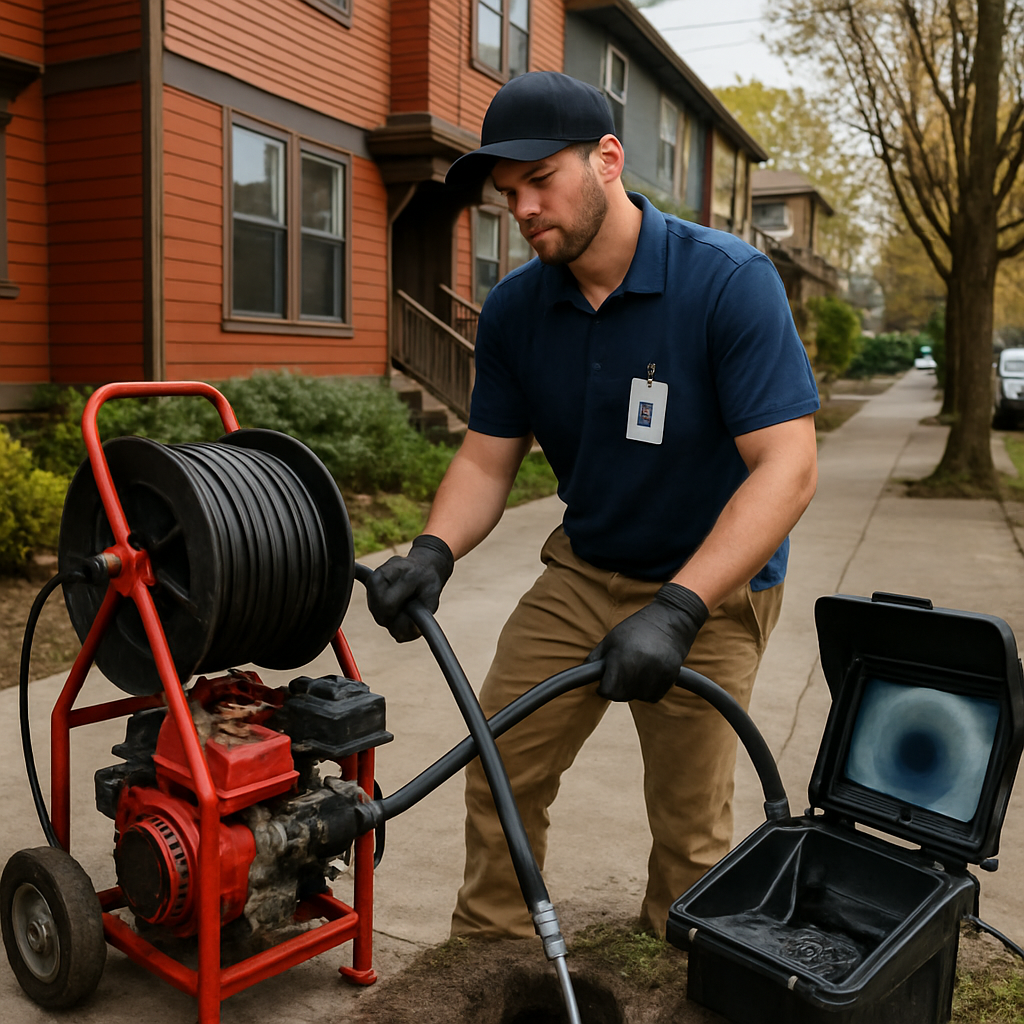
Final judgment: cost and speed are not the only metrics. For Portland properties the right contractor is one who documents city permits, stages work to reduce downtime, and lays out the permanent repair path up front. If a bid skips those items to be cheaper, it is likely to cost more later.
Next Steps for Hiring a Portland Plumbing Company
Immediate action: when you are ready to hire a portland plumbing company, don’t treat the first phone call as casual—use it to lock down facts that prevent delays and extra cost. Have property photos, exact fixture locations, and the make/model of affected equipment ready so the crew can give a realistic scope and arrival window on that first contact.
What to do on the first call
- Brief the symptom clearly: describe where the issue is (bathroom 2nd floor, basement laundry) and what you already tried; concise facts let a scheduler set the right crew and estimate.
- Request registration and insurance proof: ask for the contractor business registration ID (the
CCBidentifier) and a current Certificate of Insurance — you can verify registration at Oregon CCB. - Confirm permit handling: tell the scheduler whether you expect the company to pull permits and get an estimated permit timeline; for Portland-specific rules use City of Portland BDS.
- Set the authorization level: decide whether you will allow emergency temporary fixes on arrival or require written approval for any permanent work beyond the triage.
- Get an arrival window and contact protocol: require a 30–60 minute window, prearrival text, and the technician name or vehicle license so you know who is coming.
Trade-off to accept: speed costs money. If the issue is actively damaging your home, prioritize immediate mitigation and insist on a written emergency invoice and follow-up plan. If the situation is contained, use the extra 24–72 hours to compare two estimates and confirm permit history.
How to compare the bids you receive
Simple scoring rubric: rate each bid 1–5 on Price, Permit handling (who pulls, timeline), Timeline (start and completion), Warranty (parts and labor), and Local references. Weight Permit handling and Warranty higher for installations and sewer work. Choose the bidder with the highest weighted score, not the lowest sticker price.
- Example weighting: Price 20%, Permit handling 30%, Timeline 15%, Warranty 20%, References 15%.
- Practical note: a bid that scores well but asks for a reasonable deposit tied to parts or inspection scheduling is preferable to a low bid demanding large cash up front.
Concrete example: a homeowner with a slow-draining main line sent three photos and the house year when they called a local portland plumbing company. River City Plumbing scheduled a camera inspection within 48 hours, gave a written scope that noted required City permits, and quoted a capped price for either a targeted hydro jet or a relining depending on what the camera revealed. That two-step approach prevented surprise change orders and kept the job on schedule.
Next consideration: if you need an urgent response call a local 24/7 plumbing service line and require the crew to document emergency work, state who will pull permits, and provide a written follow-up timeline before the technician leaves the site.