

Finding a reliable Portland plumber can feel like rolling the dice. Emergency leaks, permit rules, and wildly different bids raise the stakes. This guide gives a step-by-step vetting checklist, practical Portland pricing ranges, phone scripts, and the local red flags that separate reputable contractors from risky ones so you can hire with confidence.
1. Why Local Portland Expertise Matters
Direct point: A Portland plumber who understands local streets, soils, and building vintages saves you time and money because the right repair in Portland often depends on micro‑conditions, not just the visible symptom. Two identical leaks in different neighborhoods can require different fixes.
How Portland conditions change diagnosis and the scope of work
Key technical difference: Older sections of the city still have extensive cast iron mains, clay laterals, tree root intrusion, and variable ground freeze behavior. These factors make solutions like trenchless sewer repair or targeted repiping more appropriate than a simple patch or hourly band‑aid in many cases.
- Local failure modes: tree roots, settling, and old cast iron that fails gradually rather than catastrophically.
- Permits and inspection patterns: water heater and main sewer work commonly require City of Portland permits and inspections; not accounting for this adds days and hidden cost.
- Response and parts availability: a local plumber with a Portland parts network and shop truck reduces downtime compared with an out‑of‑area crew.
Practical tradeoff: Hiring a local, experienced contractor usually costs a bit more up front but reduces risk of repeat visits, failed inspections, and improper materials. If you choose the absolute cheapest bid without local knowledge, expect narrower warranties, potential permit headaches, and higher lifecycle costs.
Concrete Example: A homeowner in Alameda reports a recurring sewer backup. A generalist suggests multiple spot repairs; a local plumber recommends a sewer camera inspection and notes root intrusion common on that block. The local recommendation — trenchless relining after targeted root removal — costs more initially but avoids repeated excavations and complies with typical City of Portland inspection expectations.
Where to verify and who to ask next: Request examples of recent local jobs and then confirm licensing or complaints via the Oregon Construction Contractors Board. For permit rules that affect cost and scheduling, check the City of Portland Bureau of Development Services. If you want a local reference, look for companies with Portland service pages like River City Plumbing that publish emergency policies and service areas.
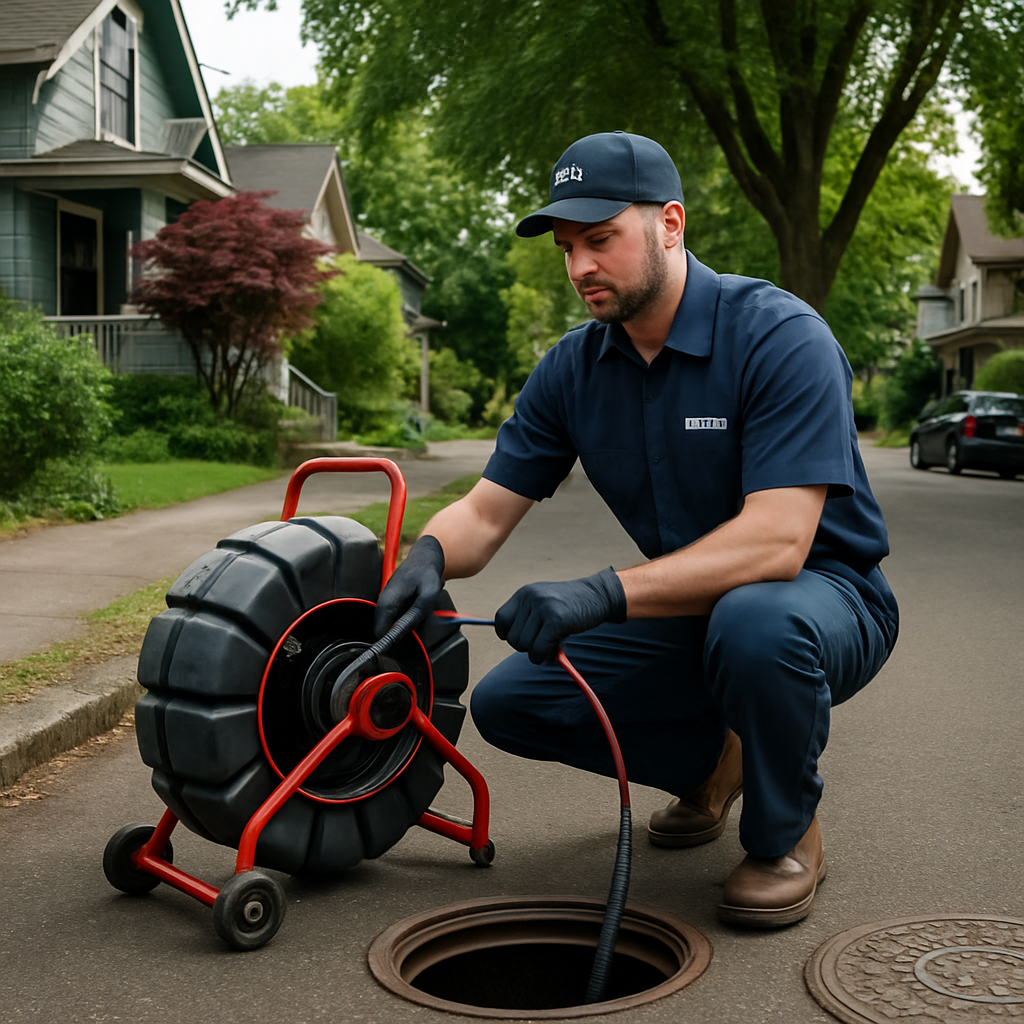
Next consideration: When you call plumbers, prioritize those who immediately ask about neighborhood, pipe age, and recent tree work — those questions separate someone who knows Portland plumbing realities from a generic contractor reading a symptom off a photo.
2. Verify Licensing, Bonding, and Insurance
Start here: a license or insurance gap is the single fastest way a small plumbing job becomes an expensive liability. Verifying licensing and coverage is not bureaucratic busywork; it is a risk control step that protects you if a worker is injured, a permit is missed, or workmanship fails inspection.
Use the Oregon CCB lookup correctly
Go to the Oregon Construction Contractors Board license lookup and check three things: active status, business name match, and disciplinary history. Active means the company is currently registered to do contracting work in Oregon; inactive or expired licenses are red flags even if the crew looks professional.
- Search by business name or license number: enter the exact company name provided on the estimate. If the name does not return an active contractor, pause.
- Confirm the classification: look for a plumbing or mechanical classification that covers the work you need; some CCB registrations are limited to specialty work.
- Check for recent complaints or actions: a single old complaint does not disqualify a contractor, but repeated or unresolved disciplinary history matters.
What to request on the phone and why it matters
- License number and business name exactly as on CCB: you will use this to verify status and any disciplinary notes.
- Proof of general liability insurance and workers compensation: ask for the carrier name, policy number, and expiration date; a Certificate of Insurance is preferable.
- Employment model disclosure: ask whether technicians are employees or subcontractors and whether they are covered under the contractor's policy.
Practical tradeoff: asking for a Certificate of Insurance and calling the insurer takes five extra minutes but eliminates a common scam where a contractor claims coverage they do not have. In practice, smaller outfits sometimes rely on subcontractors who carry their own coverage – that is acceptable so long as you see valid certificates and the contract names you as an additional insured when required.
Concrete Example: A landlord calls an emergency plumber for a basement flood. The dispatcher provides a company name and a tech arrives. The landlord asked for the CCB number and insurance carrier while the tech was on site. That quick check revealed the dispatched crew belonged to a separate subcontractor whose license was inactive. The landlord stopped work and called a licensed company with current coverage, avoiding permit and liability exposure.
If a contractor refuses to provide a license number or a Certificate of Insurance, treat that as an immediate stop sign — do not let work proceed.
3. Vetting Checklist: Reputation, References, and On the Phone Questions
Bottom line: Reputation and references reveal how a Portland plumber handles follow up, permits, and warranty work long after the initial visit. A clean-looking website means nothing if the company van, paperwork, and post-job behavior do not match up.
Quick checklist to verify reputation: Confirm a Portland street address and local area code; scan recent Google Business Profile and Yelp entries for replies to complaints; verify a BBB profile and whether complaints were resolved; ask for two recent job photos showing the same scope you need; and confirm who pulls permits and how they document inspections. Recency matters more than total reviews.
On the phone: a short script that forces clarity
Why script matters: Short, focused questions force concrete answers and expose evasions. A technician who can say which permits are required, the parts brand they plan to use, and their labor warranty on the spot is more credible than one who promises to get back to you with details.
- Ask for identity proof: Please provide your business name exactly as registered and your CCB license number so I can verify it online.
- Scope and experience: Have you performed this exact repair recently in Portland neighborhoods like Sellwood or St Johns? Can you provide a photo or reference?
- Permits and inspections: Will you pull permits and schedule inspections for this work? Who pays the fees?
- Warranty and follow up: What is the labor warranty and how are follow up calls handled? Is that warranty in writing?
- Price structure: Is this a flat price or time and materials? What is the emergency or after hours fee if this is urgent?
What to listen for: Specifics, not hedging. A confident answer names permit types, a parts brand, and a warranty period. Hesitation about a license number or inability to supply a recent photo is a red flag.
Tradeoff to accept sometimes: In true emergencies accept a rapid triage visit without full documentation so water damage stops. Insist on written CCB verification, a Certificate of Insurance, and a written follow up estimate within 24 hours before permanent repairs proceed.
Concrete Example: A renter in Northwest Portland called about a clogged main late at night. The dispatched crew stopped the immediate backup, documented the temporary fixes with photos, and emailed a written estimate plus the CCB number the next morning. The landlord used those documents to verify the contractor and confirm trenchless relining was the right next step.
If a company refuses to give a license number, proof of insurance, or examples of recent similar work, do not schedule permanent repairs with them.
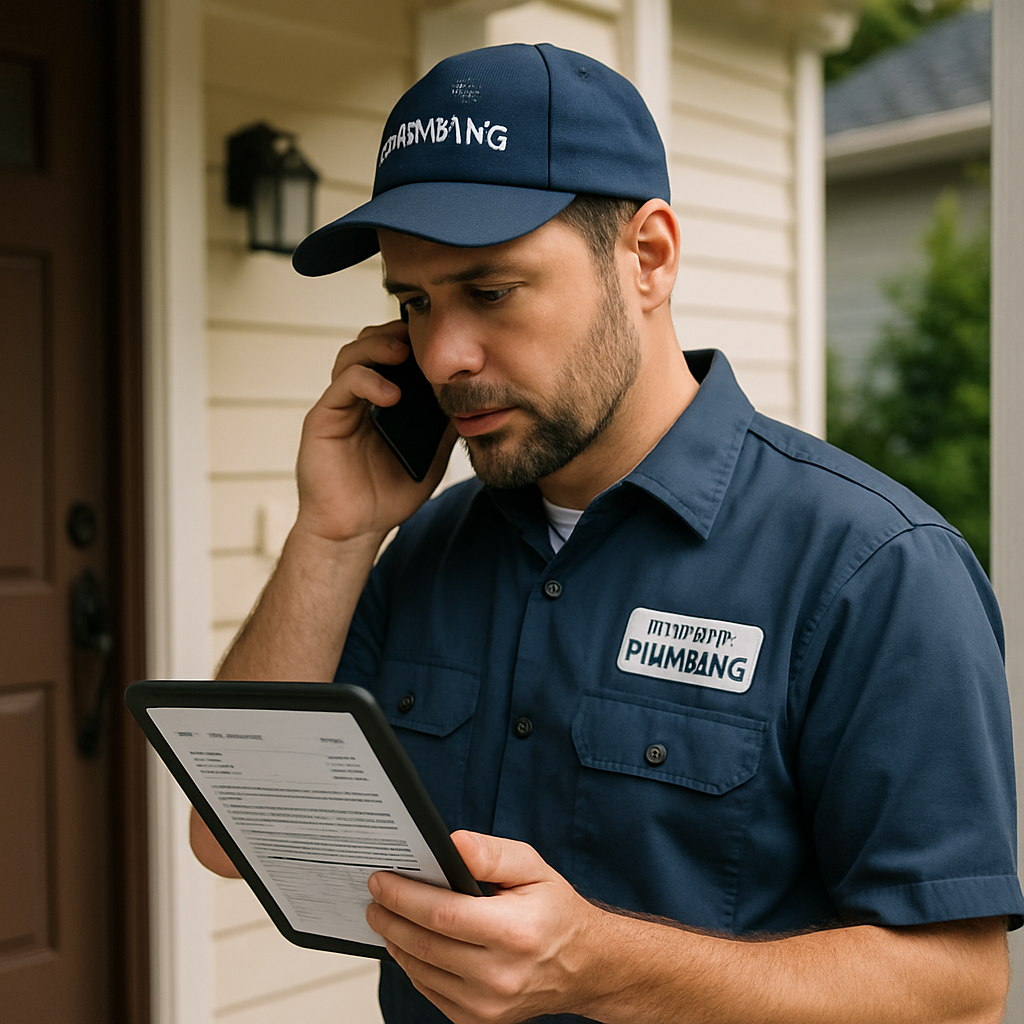
Next consideration: Use the answers you collect on the call to filter bids before scheduling in person; if two contractors give the same scope, prefer the one who supplied permit details and a written warranty up front.
4. Pricing Approach: How to Compare Estimates and Typical Portland Ranges
Key point: When hiring a portland plumber the deciding factor is not the lowest number on the page but whether the estimate pins down scope, materials, permit responsibility, and warranty. Two bids that look similar can differ by thousands once permits, access, and unforeseen conditions are accounted for.
Read the estimate like a contractor
What matters on every estimate: scope of work in plain language, parts listed by brand or specification, labor method (flat fee vs hourly with rate), permit fees and who pulls them, disposal or restoration charges, warranty on labor, and a clear payment schedule. If any of those are missing, the number is optimistic, not definitive.
- Scope clarity: Exact tasks (remove and replace, camera inspection, trenchless relining) — avoid vague lines like replace plumbing as needed
- Materials called out: Fixtures, pipe types, and brands — copper, PEX, or PVC materially change cost and durability
- Permit and inspection: Who pulls the permit and whether inspection fees are included — this affects timeline and final acceptance by the City of Portland
- Contingencies: How additional work is priced (change orders, hourly cap) and whether emergency or after hours rates apply
| Common Portland jobs | Typical Portland range (approx) |
|---|---|
| Drain cleaning (standard clog) | $125 – $300 |
| Faucet replacement (single) | $150 – $450 |
| Toilet replacement (basic) | $200 – $600 |
| Traditional water heater replacement (installed, includes permit) | $800 – $2,500 |
| Tankless or gas water heater replacement (installed, includes permit & gas work) | $1,200 – $4,000 |
| Sewer camera inspection | $300 – $800 |
| Trenchless sewer relining (minor sections) | $2,000 – $8,000 |
| Full sewer replacement (open trench) | $6,000 – $15,000+ |
Practical caveat: These are typical Portland ranges. Expect higher bids for limited access, older homes with cast iron or lead, saturated soil, or work requiring traffic control or trench shoring. Emergency plumber Portland calls after hours commonly add a 25 to 100 percent premium to labor.
Concrete Example: A homeowner needs a gas water heater replaced. One local estimate lists $1,100 and excludes permit and gas line upgrade. Another lists $1,800, explicitly includes City of Portland permit, new flexible gas connector, leak test, and a 1 year labor warranty. The higher bid is usually the correct pick because it removes permit risk and covers gas-safety work that saves money and liability later.
Judgment call: Pay attention to where the contractor absorbs risk. A licensed plumber who includes permit handling, proper disposal, and a clear warranty is often worth the midrange price; the cheapest bid commonly shifts risk back to you through change orders or skipped permits. Use written estimates to lock scope before work begins and verify the contractor on the Oregon CCB lookup.
Next consideration: Before you sign, ask for an itemized invoice that exactly matches the accepted estimate and confirm the contractor will provide the CCB license number and a Certificate of Insurance on arrival. If they refuse, walk away.
5. Trusted Local Signs and Red Flags
Clear standard: A reliable Portland plumber makes their work and paperwork visible before, during, and after the job. If you rarely see documentation — permits, timestamps, camera reels, or a written warranty — you are buying confidence, not protection.
Trusted local signs (what actually matters)
- Documented inspections: They supply permit numbers and can show the City of Portland inspection record or upload the permit PDF to you. Verify at City of Portland BDS.
- Saved camera footage and before/after photos: Not just a live look — saved files with timestamps reduce disputes and prove the diagnosis (useful for sewer camera work and rooter jobs).
- Matching identity across channels: The company name on the estimate, the van, the website, and the CCB record all match. Mismatches are common in transient crews.
- Published service terms: A posted emergency fee schedule or maintenance plan shows a company that handles repeat business and predictable billing rather than surprise charges.
- Local institutional references: Property managers, multifamily landlords, or local contractors who repeatedly use the same plumber are a stronger signal than anonymous online reviews.
Practical red flags (anti-patterns to treat as immediate concern)
- Cash-only insistence with a big discount: This often hides lack of insurance, avoids traceable payment records, and complicates permits or warranties.
- No written scope or refusal to sign a simple contract: If they will not commit the work, parts, and price to paper, do not let them start permanent repairs.
- Ambiguous business identity: Truck, estimate, and online presence use different names or addresses; that usually means subcontracting or shell operations that skip permits.
- No saved camera footage or vague camera reports: Saying they inspected but producing no footage is a common way to justify unnecessary replacements.
- Pressure to perform expensive replacements immediately without diagnostics: Good plumbers stop damage first; they do not upsell a full repipe during a triage call without clear evidence.
Tradeoff to accept: Strict vetting removes most downstream risk but slows emergency response. In true emergencies accept a short triage visit to stop damage, but require the plumber to provide CCB verification, a Certificate of Insurance, and a written follow up estimate within 24 hours before permanent work continues.
Real case: A North Portland landlord faced recurring basement backups. One responding crew handed over saved sewer camera footage, a City permit number they had already filed, and a one-year labor warranty on letterhead. Another crew tried to close the job for cash and offered no paperwork. The landlord paused the cash crew and hired the documented team; the permit record prevented an inspection failure during the sale of the building.
What people get wrong: Homeowners rely heavily on star ratings and ignore documentary proof. In practice, a moderate-rated local firm that provides permits, camera footage, and vendor references is a safer buy than a five-star out-of-area operator who gives verbal promises.
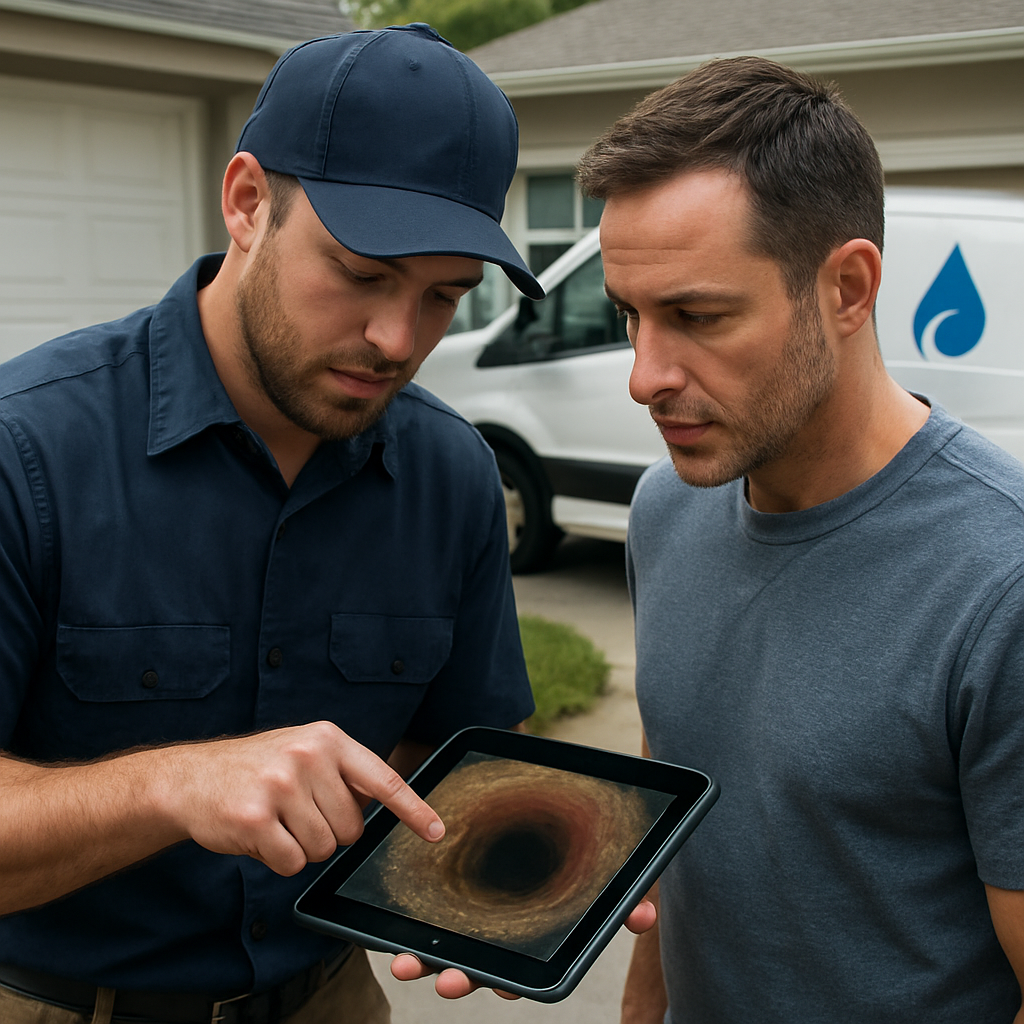
Next consideration: Use these signs as your baseline for choosing a portland plumber — if multiple red flags appear, pause and get a second documented opinion rather than letting urgency drive a risky hire.
6. How to Compare Quotes and Negotiate Without Sacrificing Quality
Hard rule up front: the right quote ties scope, permits, parts, and warranty to a single out‑the‑door price or a clearly defined change order process. If those links are fuzzy, lower price is illusion.
Fields you must get on the written quote
Get these items in writing and insist the contractor email them before work begins. Do not accept answers like we will do whatever is needed.
- Exact deliverable: one sentence that says what will be finished (for example remove and replace heater model ABC plus venting and gas connector).
- Parts and alternatives: list brand/model or an explicit acceptable substitute and the price difference if substituted.
- Labor basis: flat fee or hourly with a capped estimate, plus stated travel or after hours premiums.
- Permit ownership: who pulls permits, estimated permit fees, and whether inspections are included.
- Warranty and exclusions: labor warranty length, parts warranty, and what voids the warranty.
- Change orders: how unforeseen conditions are priced and the maximum hourly markup allowed.
Negotiation tactic that works: ask each bidder to price two options — the full-permit, long-term repair and a clearly scoped temporary fix with a separate price to convert to permanent work. This forces transparency and exposes cost drivers rather than vague underbids.
What to trade and what not to: swapping down to an economy faucet or PEX instead of copper can be reasonable for superficial installs; skimping on permit work, proper gas connectors, or drainage tie-ins is not. Cheaper materials today often mean a return visit that costs more than the initial savings.
Sample language to use on the phone or in email: Please send a written quote that includes scope, parts with brands, who will pull permits, the labor warranty, and the price to convert a temporary repair to a permanent repair. I will only schedule work once that quote is in writing and the CCB number and Certificate of Insurance are attached.
Concrete Example: A homeowner received two bids for sewer relining. The low bid excluded camera footage and permit handling; the higher bid included both and a one‑year warranty. The homeowner negotiated: the low bidder was asked to add camera footage and a written permit plan for the same price or confirm a documented discount; the contractor declined, so the homeowner picked the higher bid because it removed inspection risk and documented scope.
If a quote omits permit responsibility or a warranty, treat the number as incomplete — ask for a revised written bid before you accept.
7. Emergency Calls and After Hours Service in Portland
Immediate goal: when you call a portland plumber after hours you are buying time and containment, not a final repair. The right response is a documented triage that stops ongoing damage, secures the property, and produces a clear path to a permanent fix the next business day.
Only three scenarios usually justify an after‑hours dispatch: active sewer backup into living space, uncontrolled water flow that will cause structural or electrical damage, and a confirmed gas odor with pressure loss. Everything else — slow leaks, minor clogs, non‑critical drips — should wait for a daylight visit. The tradeoff is simple: rapid response reduces immediate loss but commonly produces two invoices — an emergency triage charge and a separate permanent repair bill.
What to demand on the call and at the scene
On the phone, get these items recorded before dispatch: an estimated arrival window, the emergency or after‑hours fee structure, and the technician's name and CCB license so you can verify later. When the tech arrives insist they perform three concrete actions: stop the source of damage (close valves, isolate sewage), photograph the condition with timestamps, and provide a written follow up estimate within 24 hours that separates triage work from permanent repairs.
- Triage first: accept temporary fixes to prevent damage but do not authorize major replacements on the spot.
- Document everything: request photos, a short written triage report, and the tech's CCB number or business card before they leave.
- Clarify costs: ask for the emergency call fee, hourly rate for after hours, and whether that charge will be credited against the permanent work.
A common practical failure: homeowners let urgency override paperwork. In practice you should treat the initial visit as a contractor‑managed stopgap. Insist the company email the estimate and proof of license and insurance before approving any permanent replacements — that reduces the risk of permit problems and duplicate billing.
Scenario: A property manager in Kerns called at 2:15 a.m. for a burst supply line. The responding emergency plumber shut off the building main, installed a temporary clamp, photographed the leak and damage, and sent a triage note plus the technician's CCB number by 9 a.m. The manager used that documentation to verify the contractor on the Oregon CCB lookup and schedule a permited replacement during business hours, avoiding an unverified overnight replacement that would have caused inspection headaches.
How to evaluate emergency fees fairly: ask for the emergency charge to be itemized and for any after‑hours hourly premium to have a nightly cap or daily maximum. If a contractor refuses to separate triage from permanent work or will not supply a written follow up estimate, treat that as a red flag and request a second opinion before signing off on major replacements.
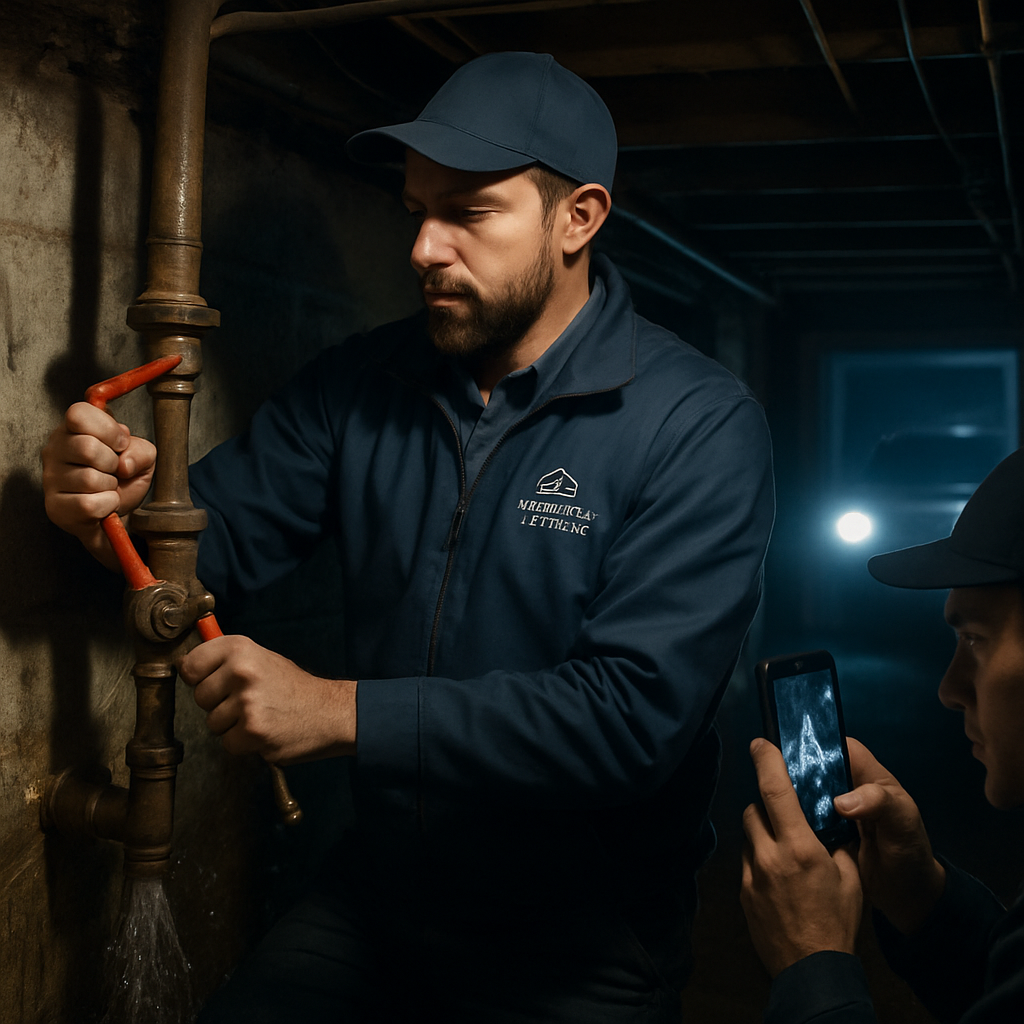
Final takeaway: treat after‑hours service as a safety transaction. Accept quick containment, demand documentation, and force a written conversion plan before permanent repairs proceed — that preserves your options, reduces permit risk, and prevents surprise charges from an otherwise necessary emergency visit.
8. Local Example and Practical Tools
Direct point: Use concrete tools — a printable checklist, a decision matrix, and verifiable digital evidence — to force clarity when hiring a portland plumber. These tools stop sales-speak from filling gaps and make permit and warranty responsibility visible before work starts.
Practical tools and how to use them
Start every call and bid with a consistent packet you require from each contractor: exact scope language, CCB license number, Certificate of Insurance, permit plan, and camera evidence if relevant. Ask for those items by email before scheduling permanent work so you have a paper trail that holds up during inspections or disputes.
| Tool | When to use it | What to demand |
|---|---|---|
| Printable checklist / phone script | Initial contact and comparing bids | CCB number, insurance carrier, whether permits are included |
| Decision matrix (three-bid comparison) | Choosing between similar scopes | Line by line match on parts, permit responsibility, warranty length |
| Original sewer camera file | Diagnosing backups or root intrusion | Request the raw video or timestamped file, not just a live view |
| Emergency triage report | After hours containment | Photos with timestamps and a follow up permanent repair estimate within 24 hours |
Practical tradeoff: Relying on digital packets speeds decisions but does not replace on site verification. Camera footage can be useful, yet file metadata or original export is the only reliable proof against tampering. If a contractor will not provide original files or permit numbers to verify at the City, treat that refusal as a material risk.
Concrete Example 1: A homeowner in Irvington received two bids for a recurring basement leak. The low bid included a generic line item repair; the higher bid provided a sewer camera export, a scoped trenchless option, and a stated plan to pull permits. The homeowner accepted the higher bid after matching scope in a decision matrix because the permit plan removed resale and inspection risk.
Concrete Example 2: A rental property in Lents had a 2 a.m. burst pipe. The emergency crew performed a clamp and isolation, photographed the damage, and emailed a triage report with the technician CCB number within three hours. That documentation let the manager verify the crew on the Oregon CCB lookup before authorizing a permited replacement through the daytime contractor.
Judgment: Digital transparency separates competent local plumbers from transient crews. A firm that posts emergency policies or service-area pages, such as the example at River City Plumbing emergency page, and that can attach permit numbers and camera exports to estimates is operating at a lower risk level. If documentation is slow or evasive, expect delays, change orders, or permit failures later.