
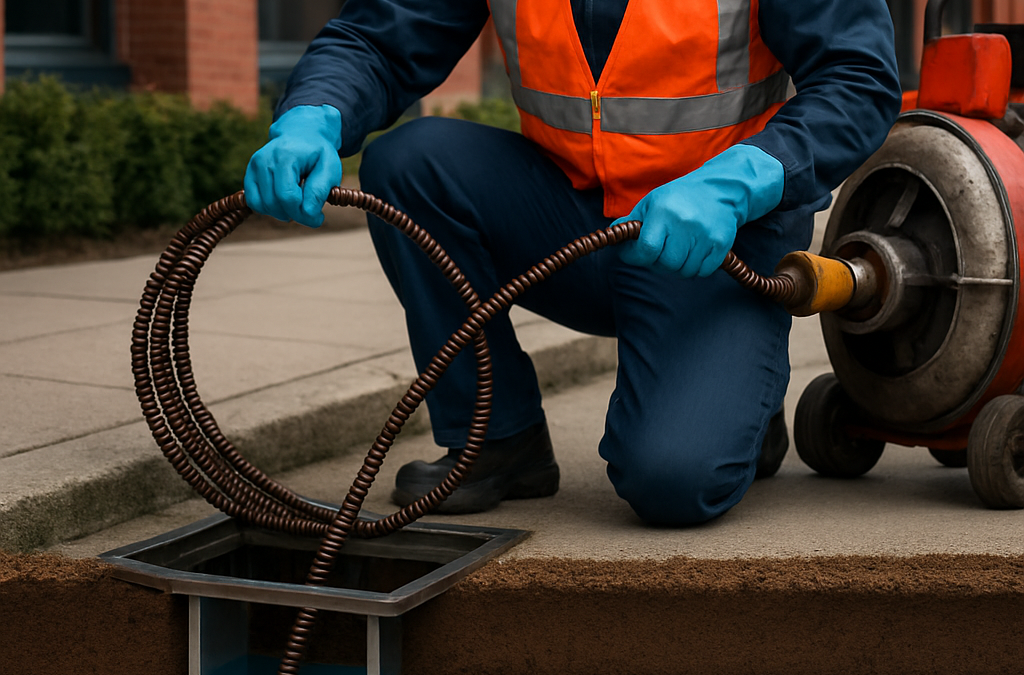
A clogged drain in Portland is not just messy — it can stop service, trigger health-code issues, and turn into an expensive emergency. This guide to commercial drain cleaning lays out practical preventive schedules, when to choose mechanical snaking versus hydro jetting, and realistic Portland-area cost ranges so you can cut downtime and avoid surprise bills. You will also get sample maintenance calendars for restaurants, multiunit buildings, and offices, plus a contractor checklist and two cost scenarios to help you choose the right local vendor.
Why proactive drain maintenance matters for Portland businesses
Neglecting routine commercial drain cleaning is the fastest way to convert a manageable maintenance line item into an emergency expense that shuts down service. When drains are left to accumulate grease, hair, mineral scale or roots, failures happen at the worst times — weekend brunch, peak checkout, or during a large tenant event — and the cost and reputational damage multiply quickly.
Local consequences and why Portland regulations matter
- Business interruption: downtime means lost revenue, staff overtime and rushed repairs that cost more.
- Health code and permitting risk: food service operators face enforcement under City of Portland FOG rules and Oregon Health Authority requirements; repeated violations can close a kitchen. See Portland BES FOG guidance for specifics.
- Neighbor and tenant impact: odor and sewer backups create tenant complaints, potential lease penalties and insurance claims.
- Asset degradation: recurring minor clogs accelerate corrosion and joint failure, turning a cleanable clog into a pipe-replacement project.
Practical trade-off: a modest recurring spend on preventive services buys predictability but must be calibrated to risk.** For example, monthly grease trap service for a busy restaurant is usually cheaper than a single emergency sewer remediation. On the other hand, aggressive strategies like frequent high-pressure hydro jetting require a baseline CCTV inspection — older clay or poorly joined cast-iron runs can be damaged by high PSI if you don't know the pipe condition first.
Concrete example: River City Plumbing performed monthly grease trap maintenance plus quarterly CCTV for a downtown Portland full-service restaurant. During a scheduled inspection technicians discovered early root intrusion in an 8-inch lateral; targeted hydro jetting and a short lined repair avoided a full excavation and prevented a forced closure during a holiday weekend. The preventive program cost a fraction of the avoided emergency repair and lost sales.
Many businesses underrate behavioral fixes. Tenant education, basic strainers on floor drains, and disciplined solids disposal cut service frequency materially. For multiunit buildings, couple tenant-facing rules with biannual CCTV and prioritized clearing during turnover; that combination reduces repeat calls and keeps capital repairs predictable.
Next consideration: schedule a targeted CCTV inspection to quantify risk and get a costed preventive plan — that single step separates cheap guesswork from a defensible maintenance budget.
Common commercial drain problems and how they form
Key point: recurring commercial clogs almost always come from a handful of physical processes — grease build up, root intrusion, mineral scale, and trapped solids — not random luck. Understanding the mechanics behind each lets you choose the right corrective action and avoid wasting budget on temporary fixes.
Grease: the slow, invisible dam
Grease mechanics: hot, emulsified fats flow easily; as temperatures drop and detergents dilute them they congeal on pipe walls, trapping food solids and forming a progressively tighter obstruction. Under-sink traps capture some solids but small volumes bypass poorly sized or poorly maintained interceptors, so grease accumulates farther down the run where it is harder to remove.
Roots, scale and foreign solids
Root intrusion: tree roots exploit tiny leaks in clay or old cast-iron joints and then grow inward as they find nutrients. Scale: mineral deposition from hard water narrows diameter over years and makes grease and hair cling. Foreign solids: packaging, mop-head fibers, and construction sediment create localized plugs or snag on rough interiors.
- Early signs: slow floor drains, toilets that gurgle when other fixtures run, and recurring clogs shortly after professional clearing.
- Pattern clue: a clog that moves from one drain to another usually indicates a downstream accumulation or a shared lateral problem.
- When it is systemic: repeat snaking within 30 days is a red flag — you are re-opening a damaged surface or failing to remove the underlying deposit.
Concrete example: A downtown bakery called after twice-weekly sink backups. Technicians found hardened grease downstream of the interceptor plus dough fragments welded to the grease layer. The cure was a measured sequence: progressive hydro cleaning to strip the deposits, temporary increase in interceptor service, and staff retraining on solids disposal — the backups stopped and emergency calls fell to zero.
Practical trade-off: mechanical snaking is fast and inexpensive for single obstruction removal but it merely reopens a channel and leaves residue on the pipe wall. Hydro jetting removes bonded grease and scale but must be matched to pipe condition and diameter; high pressure on fragile pipes risks dislodging mortar or widening leaks. Cameras are the cheapest insurance — not always required, but indispensable when failures recur or when older materials are present.
Preventive strategies and recommended maintenance schedules by business type
Tailor frequency to risk, not habit. Different operations create different failure modes — kitchens build grease, salons collect hair, factories push solids — so pick tasks and intervals based on what actually shows up in your system after a baseline inspection.
Restaurants and commercial kitchens
- Daily staff checks: wipe strainers, clear hood drains, log odors or slow flow.
- Weekly in‑house tasks: flush low‑use drains with hot water, clean floor grates and catch basins.
- Professional interceptor service: schedule based on measured grease accumulation and local FOG requirements; keep disposal manifests for compliance (Portland BES FOG guidance).
- Condition audits: use CCTV to set service cadence; repeat when complaints or multiple clogs occur.
Practical tradeoff: frequent vendor visits reduce emergency risk but raise operating cost and create more waste manifests to manage. If you run staff cleaning aggressively, require monthly verification from your commercial plumber to avoid missing hidden buildup downstream.
Multiunit residential and property managers
- Tenant education: distribute short guidance on what not to flush and where to discard solids.
- Scheduled inspections: prioritize CCTV assessments at turnover and target trouble stacks; clear shared laterals proactively.
- Targeted maintenance: arrange clearing or hydro work on problem laterals instead of blanket treatments across the building.
Office buildings, retail and light commercial
- Quarterly walkthroughs: check floor drains, breakroom sinks and roof drains for debris and odors.
- Preventive clearing: schedule mechanical snaking for low‑volume systems and CCTV where patterns appear.
- Documentation: require contractors to deliver camera footage and a one‑page action plan after work.
Manufacturing, food processors and heavy industrial
Custom plans are mandatory here. Large solids, chemical discharges and process wastes need bespoke handling: specify interceptors sized to actual flow, lock in solids removal frequency, and insist on contractors with industrial waste removal capability and the right permits.
Concrete example: A mid‑size hotel on the east side reduced guest complaints by combining daily staff drain checks with quarterly professional inspections and biannual condition scans. During one scheduled camera run technicians found a grease pocket near the storm tie‑in; an early targeted repair avoided a weekend outage and an extended room remediation job.
Actionable next step: book a CCTV baseline and attach the requirement to all vendor quotes so every contractor prices to the same scope — it removes guesswork and lets you compare real preventive value.
Commercial drain cleaning services explained and when to use each
Straight to the point: every common commercial drain cleaning method targets a specific failure mode — choose by what is inside the pipe and by the pipe's condition, not by which truck shows up fastest.
How the main services differ in purpose and risk
Mechanical snaking and augering: a cost‑efficient fix for discrete, soft blockages such as accumulated debris, paper, or a single lodged object. Limitation: snakes reopen a channel but leave bonded grease and scale on the wall, so repeat calls are common if that residue is the cause. Use snaking when a single drain is blocked and the system history shows no recurring buildup.
Hydro jetting / commercial hydro jetting services: removes grease, mineral scale and roots by blasting the interior clean with high‑pressure water. Tradeoff: it is the most durable cleaning option but requires knowledge of pipe material and joint condition—high PSI can worsen leaks in brittle or poorly joined lines. Always insist on a pre‑jet camera or an explicit conditional quote that limits PSI by pipe type.
CCTV pipeline inspection and business sewer inspection: this is not optional for recurring problems. A camera pinpoints the cause and location, prevents unnecessary excavation, and defines whether hydro jetting, spot repairs or trenchless lining are appropriate. In practice, contractors who won’t show you the video are hiding uncertainty or trying to sell unnecessary work.
Grease trap and interceptor cleaning: for restaurants and food service this is the frontline control. Proper documentation, manifests and disposal handled by a vendor with commercial grease trap cleaning capability keeps you compliant with Portland BES FOG guidance. Consideration: increasing frequency lowers risk but increases hauling and disposal costs—balance by measuring accumulation with camera runs.
Pipe repair and trenchless lining: use when CCTV shows structural damage or persistent infiltration. Lining preserves service with minimal excavation, but it is a repair, not a preventive cleaning method; lined pipes still need scheduled maintenance to prevent reoccurrence at transitions and connections.
Industrial drain cleaning and industrial waste removal services: these require contractors with heavier equipment, permitted disposal, and experience with chemical or solids loads. Don’t mix light‑commercial crews with heavy industrial waste — disposal rules and equipment capacity differ and mistakes cost you fines and shutdown time.
- When to pick snaking: isolated block in a single fixture, low history of repeat calls.
- When to pick hydro jetting: bonded grease, scale or root intrusion confirmed by camera or recurring failures across fixtures.
- When to insist on CCTV first: multiple affected drains, unknown pipe age/material, or prior failed fixes.
- When to upgrade to lining/repair: CCTV shows cracks, offset joints or repeated infiltration at the same spot.
Concrete Example: A suburban shopping center had intermittent backups spreading between tenant units. CCTV of the shared lateral showed grease pockets and a small root mat 40 feet from the cleanout. The vendor ran a targeted hydro jetting pass to clear the deposits, cut the roots at the mat, and then placed the high‑use food tenant on a monthly interceptor cleaning schedule. The result: tenant downtime dropped and the center avoided a full lateral excavation.
Portland area cost breakdown and sample scenarios
Straight answer: commercial drain cleaning costs in Portland are driven more by site-specific access, pipe condition and disposal needs than by the base service name. Expect quotes to vary widely because contractors price for different risk profiles — some price for quick snaking only, others include camera verification, disposal manifests and PSI-rated hydro jetting equipment.
How contractors structure price and what changes the bill
Pricing components: most commercial bids contain a blend of a service call fee, hourly labor, equipment use (hydro jetter PSI rating, camera truck), and disposal or permit charges. Practical limitation: an apparently low flat fee often excludes CCTV, post-job video, or proper grease disposal — those add up when you need documentation for compliance.
| Cost component | What makes it higher |
|---|---|
| Service call and travel | After-hours, downtown parking/escort requirements, or gated properties increase charge |
| Labor and time on site | Multiple access points, confined-space work, or repeated passes increase hours |
| Equipment and PSI capability | High-pressure hydro jetting and large-diameter reel trucks cost more to deploy |
| Access complexity | Traffic control, rooftop drains, deep cleanouts, or needing manhole work |
| Disposal and permits | Grease hauling, manifests, and certain industrial wastes require licensed disposal |
| Diagnostics and deliverables | CCTV footage, annotated reports and post-clean recommendations add to the line item |
Sample scenario A — Neighborhood full-service restaurant (preventive program)
Assumptions: single-location kitchen with steady dinner service, one 1,000-gallon interceptor, moderate grease load. Program: monthly interceptor pumping, quarterly CCTV of main kitchen lateral, annual targeted hydro jetting for the lateral run.
- Estimated annual spend: approximately $4,800 to $8,500 depending on hauling distance and frequency of minor add-on visits
- What you get: monthly manifests for compliance, four camera reports to track accumulation, one full-line hydro clean to remove bonded deposits
- Trade-off: lower emergency risk and documentation for regulators at the cost of recurring hauling and inspection fees
Sample scenario B — Six-unit multiunit building with shared lateral
Assumptions: mixed-use building, intermittent tenant clogs, older clay lateral. Program: biannual CCTV of the shared stack, targeted hydro jetting only where camera shows deposit, and tenant education packet.
- Estimated annual spend: roughly $3,000 to $6,500 depending on how many targeted jetting passes are needed
- What you get: precise location of problems, targeted work that minimizes disruptive full-lateral excavation, and fewer nuisance service calls
- Limitation: older clay or cracked pipes may require lining or repair after cleaning — cleaning delays that repair and increases cost
Concrete example: River City Plumbing quoted a nearby sandwich shop for a preventive bundle that included monthly grease pumping and an annual hydro pass. After one year the camera showed no bonded grease past the interceptor and emergency calls dropped from three in the prior year to zero. The owner paid the annual program cost but avoided a single weekend shutdown that would have cost several times that amount in lost revenue and remediation.
How to read quotes: insist on line items for CCTV, hydro jetting (show PSI or nozzle size), disposal manifests, and emergency/after-hours premiums. If a low bid omits any of those, treat it as incomplete — you will pay later. For compliance-related work, require the contractor to provide disposal documentation as part of the invoice. See River City Plumbing's commercial services at Commercial Drain Cleaning and know you can request a bundled annual program quote for apples-to-apples comparison.
How to select a commercial drain contractor in Portland
Start with what you will accept as deliverables, not price. The best commercial drain cleaning vendors turn an assessment into a pack of evidence: a recorded CCTV run, an itemized scope with PSI or nozzle specs for hydro jetting, and disposal manifests for grease or industrial waste. If a contractor treats your quote as an estimate without those items, they are pricing risk, not work.
Three-stage selection framework
Stage 1 – Verify capability. Confirm state plumbing license and business registration, plus insurance: general liability (minimum $1M typical), commercial auto, and pollution/ waste handling coverage if they haul interceptors. Ask what size of hydro jetter they run, request the PSI range and hose diameter, and check CCTV specs (sonde frequency, recording format). Contractors who can show photos of equipment and the exact truck model on similar jobs are easier to hold accountable.
Stage 2 – Lock the scope and pricing deliverables. The quote you accept should include: an explicit diagnostic step (CCTV or camera snippet), a line-item for hydro jetting with the maximum PSI or a conditional PSI plan, labor hours, disposal/manifest fees and any confined-space or after-hours premiums. Trade-off to consider: accepting a low-hour flat fee often means they will skip camera work and return for follow-ups; that saves money now and costs more later.
Stage 3 – Local references and response posture. Prioritize vendors with recent Portland commercial references—restaurants, multiunit properties, or hotels—because grease and regional pipe materials create predictable problems here. Confirm guaranteed emergency response windows and whether the crew that does routine maintenance is the same crew that will handle emergencies. Fast is valuable, but fast without diagnostics is a liability.
Concrete example: River City Plumbing bid for a downtown cafe by first running a camera from the kitchen cleanout, then proposed a two-pass hydro jet with PSI limited to protect 6-inch clay laterals, and included disposal manifests in the invoice. The ticketed CCTV footage showed a grease pocket 30 feet downstream; the targeted work cleared the line and the cafe moved to a monthly interceptor pickup schedule—no repeat calls in 12 months.
Next step: ask three contractors for camera-confirmed quotes with identical scopes so you compare apples to apples. For help building that scope or to request a local assessment, see River City Plumbing commercial drain services at Commercial Drain Cleaning or review Portland FOG rules at Portland BES FOG guidance.
Sample preventative plan for a Portland restaurant with cost and timeline
Direct proposition: a focused 12‑month maintenance plan — sized to interceptor capacity, measured grease load, and pipe condition — prevents most emergency shutdowns while keeping annual spend predictable.
12‑month timeline and who does what
Month 0 (baseline): schedule a CCTV baseline from the kitchen cleanout, log interceptor gallons on the manifest, and produce a short report that names the lateral material and any obvious defects. Do not hydro jet until you know pipe condition.
- Daily (staff): empty sink strainers, scrape plates and solids into trash, flush low‑use drains with hot water after service.
- Monthly (vendor): interceptor/grease trap service with disposal manifest and photographed lid condition.
- Quarterly (vendor): targeted CCTV of kitchen lateral and annotated notes in the report; if cameras show bonded grease or roots, schedule a targeted jet within 30 days.
- Annually (vendor): one controlled hydro jetting pass on the main kitchen lateral with PSI limited per the CCTV report; include post‑jet camera footage.
- Ongoing: retain 10% contingency of the annual preventive spend for spot repairs or emergency night work; keep digital copies of all manifests and videos for compliance.
Practical trade‑off: charge and haul frequency reduce buildup but increase disposal costs. If your kitchen generates heavy solids, raise pump frequency and add quarterly camera checks; if video shows clean walls, reduce hauling and rely on annual jets. The right balance comes from measurements, not guesswork.
| Line item | Conservative annual estimate | Aggressive annual estimate |
|---|---|---|
| Monthly interceptor pumping (12 visits) with manifests | $1,200 | $3,600 |
| Quarterly CCTV (4 runs) with annotated report | $800 | $1,600 |
| Controlled hydro jetting (1 full pass + post‑video) | $500 | $2,500 |
| Staff training, strainers, basic supplies | $200 | $600 |
| Contingency / emergency reserve | $400 | $400 |
| Estimated annual total | $3,100 | $8,700 |
Concrete example: a 75‑seat neighborhood bistro switched from ad hoc snaking to this plan. After the baseline camera showed moderate downstream grease they bumped interceptor pickups to monthly and scheduled a single annual hydro pass with PSI limits. Within a year the bistro eliminated late‑night emergency calls and avoided a weekend closure that would have required extensive room remediation and tenant refunds.
Judgment: if your CCTV shows older clay, multiple offsets, or corroded joints, accept more frequent inspection and a lower‑pressure jetting regime. Over‑enthusiastic high‑pressure cleaning on fragile mains creates leaks that force costly repairs; conservative, camera‑informed work is better than heavy periodic interventions that gamble with pipe integrity.
Next consideration: set a review point at month 9 to compare actual manifests and camera footage against the plan and adjust frequency or scope before year 2 billing—small midcourse corrections save larger repair bills later.
Next operational steps and how to get help
Immediate priority: if a business has slow drains, recurring odors, or any sign of sewage backup, treat the situation as operational risk and act within 48 hours. Rapid containment and a diagnostic step save far more than a fast but unfocused repair.
First 48 hours checklist
- Contain: stop nonessential water use in the affected area and post a notice to keep customers and staff away from contaminated zones.
- Isolate fixtures: close affected fixtures or floor drains and, if safe, close the interceptor cleanout cap to prevent backflow to the kitchen or public areas.
- Record history: gather recent invoices, grease trap manifests, and a log of recent snaking or jetting so the arriving crew understands past interventions.
- Classify urgency: label the situation Emergency (active backup or health risk), High (recurrent slow drains/odors), or Routine (single slow drain with no odors) and plan response window – 0 to 6 hours, 24 hours, or 3 to 7 days respectively.
Prepare for the contractor visit: clear access to the main cleanout and interceptor, provide keys or escorts, assign a single onsite point of contact, and put recent maintenance records where technicians can see them. Do not apply strong chemical cleaners before the inspection – they mask the problem and can affect video clarity and disposal handling.
Practical tradeoff to accept: an emergency dispatch will cost more and may require higher labor premiums, but delaying diagnostics increases the chance of repeated service calls or an escalated repair. Conversely, scheduling a controlled, camera-first inspection often lowers overall cost and reduces the risk of damaging older pipe runs during aggressive cleaning.
Real job example – hotel laundry lateral: a downtown hotel reported intermittent sewer smell in the basement. Staff isolated the laundry room and provided three months of grease manifests before River City Plumbing arrived within hours. Technicians ran a CCTV from the laundry cleanout, limited PSI because the lateral showed midline offsets, performed a targeted jet to clear a grease pocket, and left full video plus disposal manifests so the hotel could document the fix with insurance and regulators.
When you call for help, ask for three minimal commitments in writing: a guaranteed response window, a diagnostic step that includes recorded CCTV, and an itemized quote that separates travel, diagnostics, cleaning, and disposal. For local assistance or to request an assessment, see River City Plumbing Commercial Drain Cleaning, emergency response options at Emergency Plumbing, or schedule directly via Contact. For food service operators, keep your response aligned with Portland FOG requirements found at Portland BES FOG guidance.