

What to Expect from Emergency Plumbing Services in Portland: Response, Costs, and FAQs
When a plumbing services emergency hits, Portland homeowners, renters, and property managers need clear next steps, fast response, and realistic cost expectations. This article lays out how emergency calls are triaged and dispatched locally, what typical Portland response windows and price ranges look like, and the immediate actions to take while you wait for a 24-hour plumber. You will also get practical guidance on permits, insurance, and the questions to ask a local emergency plumber to limit damage and avoid surprise fees.
What Counts as a Plumbing Emergency in Portland
Key point: A plumbing services emergency is any failure that is creating immediate water damage, health hazards, loss of essential water or sanitation, or a suspected gas risk tied to plumbing. These problems need an on-call crew now, not tomorrow morning.
Common true emergencies: Active flooding from a burst pipe, sewage backing up into living spaces, a major water heater leak soaking floors or ceilings, complete loss of water to a building, and any situation where a plumbing failure creates a possible gas leak or electrical hazard. Slow drips, minor damp spots, and cosmetic stains usually do not qualify.
How local factors change what is urgent
Portland has older housing stock and neighborhood-specific risks that shift priorities. A small leak in an apartment above a restaurant can become an emergency fast because grease and wastewater cross-contaminate. Winter pockets and properties with uninsulated exterior pipes make freezing-related breaks more likely, so a frozen-but-intact pipe in northeast Portland may be escalated compared with the same condition in a heated modern condo.
Practical tradeoff: Calling out a 24-hour plumber after hours will usually cost more. That premium is justified when the failure threatens structure, health, or operations. If the issue is isolated, contained, and not worsening, delay until regular hours can save money. Use that judgment only after confirming the leak is stable and there is no sewage, gas, or electrical exposure.
- Situations to call immediately: Active basement flooding, sewage flowing from drains, a water heater rupturing, visible exposed live gas at a plumbing appliance, burst main feeding the property.
- Situations that can usually wait: Small steady drips from accessible joints, slow sink clogs that still allow drainage, minor appliance leaks where the shutoff valve works and water is contained.
Concrete Example: A tenant reports a sudden gushing leak from a ceiling at 2:30 AM. The leak saturates drywall and is dripping onto electrical outlets below. This is an immediate plumbing services emergency because it combines active water intrusion and an electrical risk. The call should trigger a dispatch, an instruction to shut off the main, and arrival of a rapid response plumber.
What people get wrong: Many assume every loss of hot water is an emergency. In reality, loss of hot water alone is inconvenient but not always urgent unless it is tied to leaks, scald risk, or lack of sanitation in a multiunit property. Treat context and risk to occupants as the deciding factor, not discomfort alone.
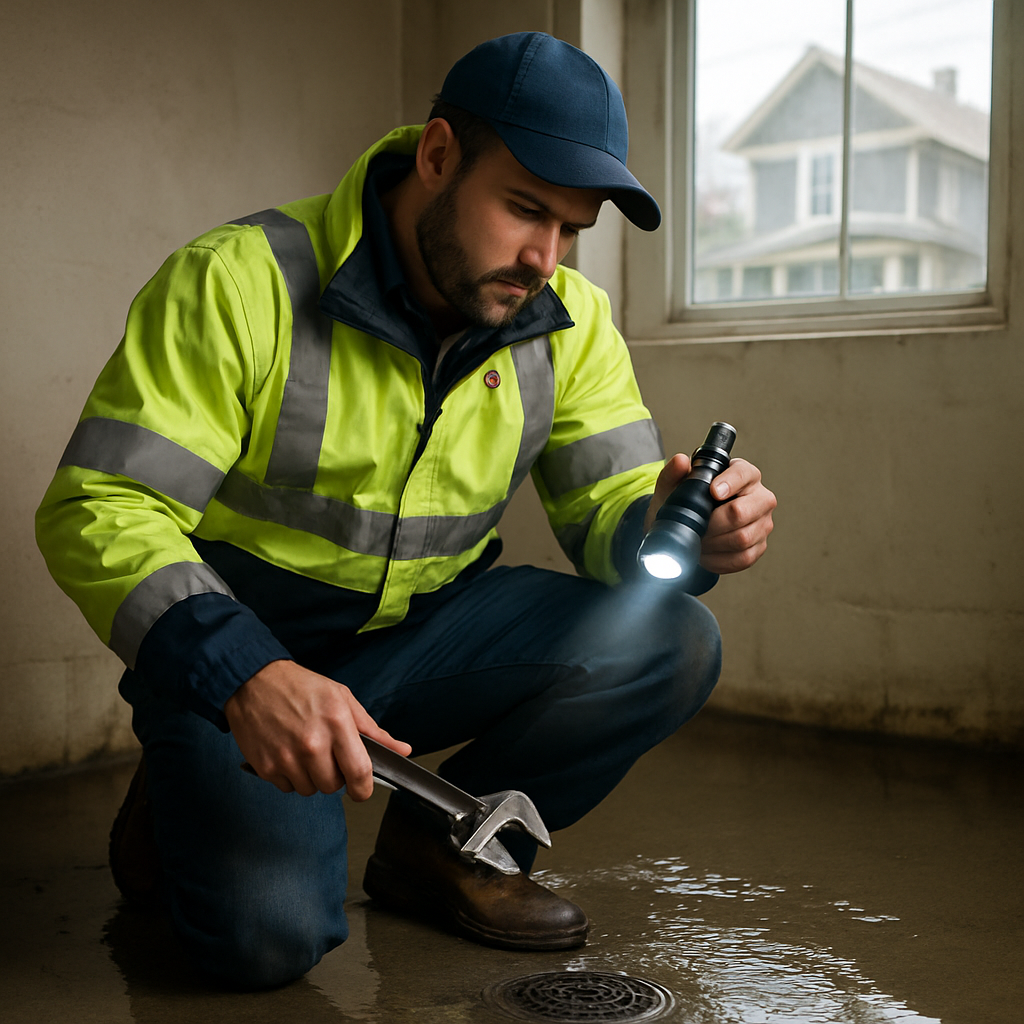
How River City Plumbing Handles Emergency Calls and Dispatch
Straight answer: River City Plumbing triages emergency calls by immediate risk first and available resources second. The dispatcher uses a short checklist to decide whether a call gets top-priority rapid dispatch, a same-night visit, or a scheduled next-day repair. That decision determines which truck, which technician, and which parts go out.
What dispatch will ask for: Expect questions about location, whether water or sewage is actively flowing, any electrical or gas involvement, access instructions, and whether photos or video are available. Photos often change a low-priority call into a priority call because they show the scale of damage faster than a description.
On-call coverage and arrival windows
On-call routing: After-hours and weekend calls are routed to a live dispatcher who coordinates the nearest on-call technician. There are trade-offs: after-hours coverage means a smaller pool of crews, so River City will reserve the fastest arrival for life-safety, sewage, and gas-related failures. Less urgent but still disruptive problems may be given a same-night visit or the first slot in the morning.
Realistic ETA expectations: River City does not promise exact minutes over the phone because crew location, traffic, and concurrent emergencies change constantly. You should expect a variable window — technicians commonly arrive within a measured timeframe based on current dispatch load. Ask the dispatcher for the current estimated window and what will change that estimate.
- What speeds response: Clear address and access, photos of the damage, knowledge of the main shutoff location, and whether pets or gated entry are present
- What slows response: Locked gates, inaccurate location info, concurrent major incidents, and requirement for specialty parts not stocked on trucks
- On-scene protocol: The arriving technician will secure hazards, stop active loss with a temporary repair if needed, document condition with photos, and present an on-site estimate before nonemergency work proceeds
Concrete example: At 3:10 AM a landlord texts photos of a burst third-floor pipe pouring through a light fixture. Dispatch instructs an immediate main shutoff, flags the call as life-safety, and sends the closest truck with clamps, pumps, and electrical-safe lighting. The tech performs a temporary clamp and pumps the water out, then stays to provide a written plan and price for a full repair the next morning.
Practical judgment: Customers often expect that calling faster gets a faster arrival. In practice, giving accurate, usable information matters more than speed of the call. A quick clear photo and the shutoff location cut triage time and ensure trucks arrive stocked for the right fix. Do not delay stopping active water to take pictures — safety first.
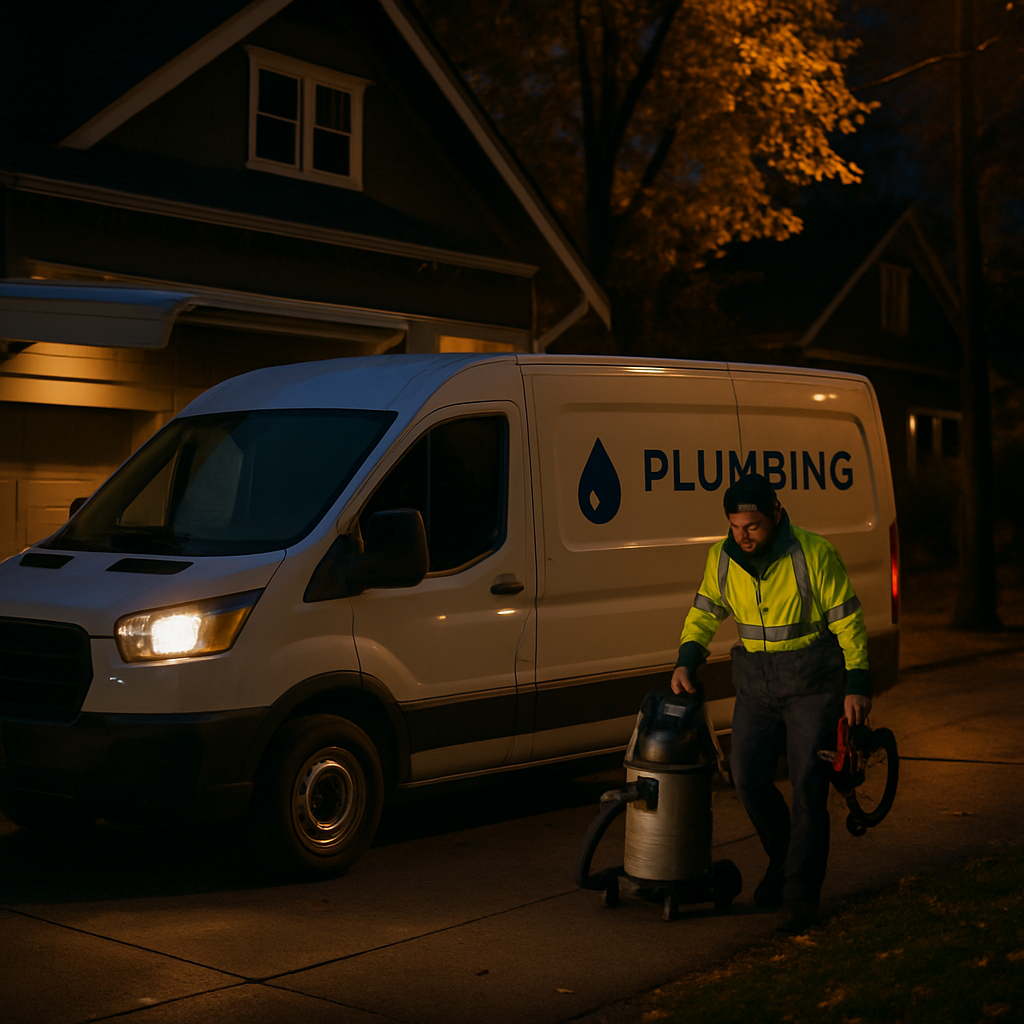
What Happens During an Emergency Service Visit
Bottom line: a technician on an emergency call will first stop the immediate loss, second diagnose the scope, and third set a clear path to a permanent repair. Stopping the damage takes precedence over finishing a perfect job at 2:00 AM; expect temporary measures followed by a written plan for follow-up work.
On-site phases and what they look like
| Phase | What the tech does | Typical time spent (on-site) |
|---|---|---|
| Stabilize | Shut valves, contain water, deploy pumps or clamps to stop active flow | 15–45 minutes |
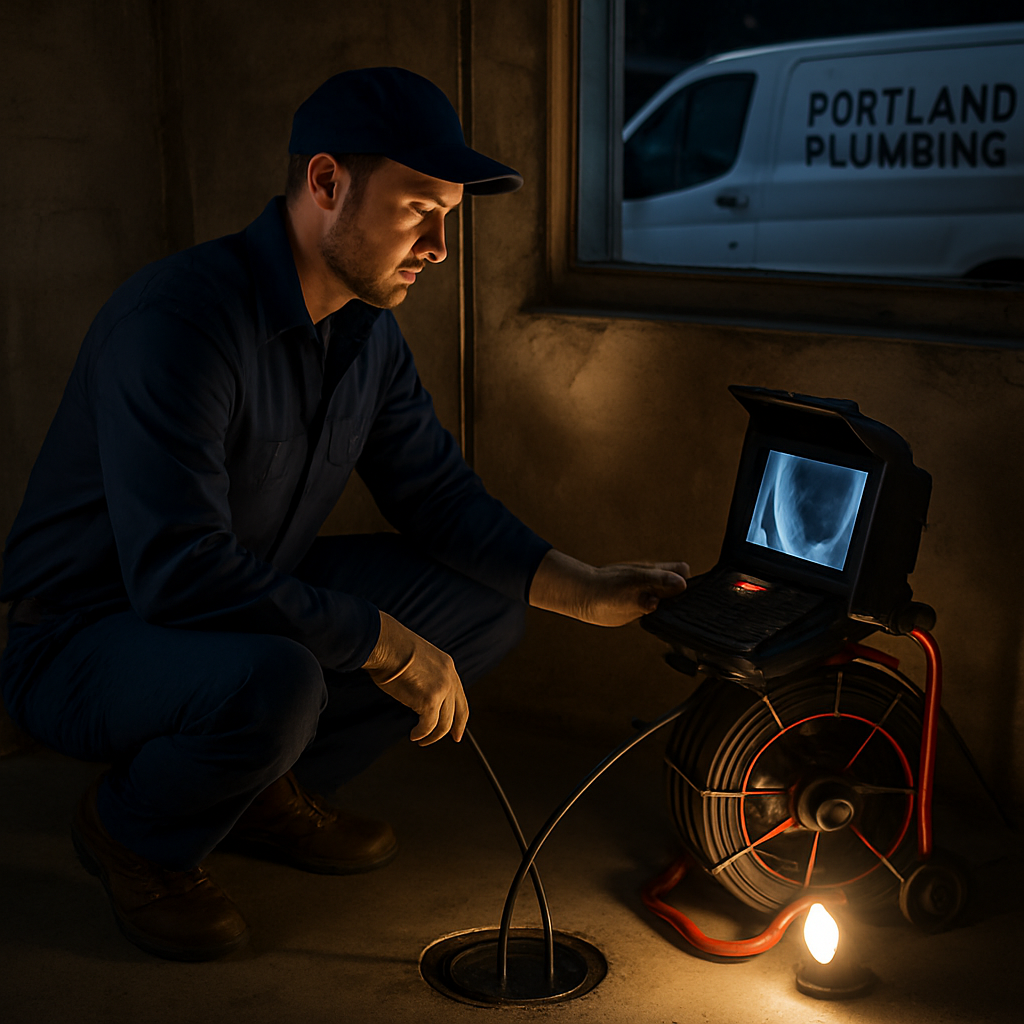
| Diagnose | Visual inspection, leak tracing, camera for drains or sewer lines, test valves and fixtures | 20–60 minutes |
| Mitigate and document | Temporary repairs, removal of hazardous wastewater, timestamped photos and notes for insurance | 15–40 minutes |
| Plan and estimate | Present options: immediate permanent repair if feasible, or schedule full replacement/permits | 10–30 minutes |
Practical trade-off: trucks are stocked for common fixes—clamps, couplings, shutoff valves, drain-rooter gear—but not every specialty fitting or replacement tank is on board. If a unique part is required, the tech will usually perform a temporary fix to stop loss and then return with the correct materials. That protects the property but means two bills and two visits unless you authorize an emergency replacement on the spot.
Concrete example: late on a Saturday a finished basement shows sewage backing into a floor drain. The arriving plumber pumps out contaminated water, runs a camera to locate the blockage, installs a temporary bypass to stop backflow, and documents contamination for insurance. They then provide a written scope recommending either a same-day rooter service if the blockage is local or a scheduled sewer-line repair if the camera shows a broken lateral.
What most people miss: emergency work is not automatically considered permanent repair by insurers or warranty programs. Ask the technician to label any stopgap measure clearly on the invoice and to itemize the dispatch fee, temporary mitigation, and recommended follow-up so you can submit a clean claim and know what will be covered later.
Next consideration: before the tech leaves, decide whether to authorize immediate permanent work if available or schedule a follow-up. Your choice affects cost, disruption, and risk of repeat failure—get the written estimate before you give the go-ahead.
Emergency Plumbing Cost Breakdown and Portland Price Ranges
Bottom-line cost structure: Emergency plumbing bills in Portland are built from a few predictable pieces: a dispatch or trip fee, an after-hours premium when applicable, the labor charge (hourly or flat), parts and materials, any disposal or remediation work, and permit or inspection costs when the repair triggers a permit. Expect to be billed for stopping the loss first (mitigation) and for the permanent repair separately unless you approve both on the spot.
Components that actually move the meter
- Dispatch/trip fee: covers the cost of sending a truck and technician to your address; this exists even if only temporary mitigation is performed
- After-hours premium: higher on nights, weekends, and holidays; ask for the exact upfront amount to avoid surprises
- Labor: some companies charge a flat emergency repair price, others bill an hourly rate plus time-and-a-half for after-hours
- Parts and specialty fittings: older Portland homes often need obsolete fittings or cast-iron parts that raise the price and delay same-day fixes
- Permits and inspections: necessary for many replacements and often unavoidable in Portland; the permit cost and the administrative time should be on the estimate
- Cleanup and remediation: sewage cleanup, mold mitigation, and disposal of contaminated materials are separate line items and can exceed the repair cost
Typical Portland ranges: For planning purposes, expect the following local ranges for common emergency jobs: drain cleaning around $150–$450, burst pipe repair $300–$2,000, sewer backup remediation $500–$5,000, emergency water heater replacement $800–$3,500, frozen-pipe thawing $200–$800. These are broad bands; site-specific factors matter more than headline numbers.
Practical trade-off: Authorize a permanent repair during the emergency visit and you often save on total cost and repeat disruption, but you pay more immediately and may accept a rushed replacement. Insist on a written on-site comparison: temporary mitigation cost + scheduled permanent repair versus immediate permanent repair cost. That single document prevents being billed twice for the same basic scope.
Concrete Example: A landlord in northwest Portland wakes to a burst elbow in a second-floor bathroom. The overnight tech installs a clamp, pumps and dries the area, and charges a dispatch + mitigation fee totaling about $450. The full repair — replacing the damaged run, opening and repairing ceiling drywall, and pulling a permit — is quoted at $1,800 and scheduled for the next day. The landlord accepts the plan to avoid a late-night full replacement; she pays twice but minimizes tenant disruption.
What most people miss: Lowball emergency quotes often hide markups on parts, skip permits, or use flimsy temporary fixes. Conversely, an expensive emergency visit can be reasonable if it includes thorough mitigation, documentation for insurance, and the correct parts to prevent repeat failures. Ask the dispatcher to itemize the dispatch fee, labor rate, after-hours multiplier, and whether permit pulls are included or separate.
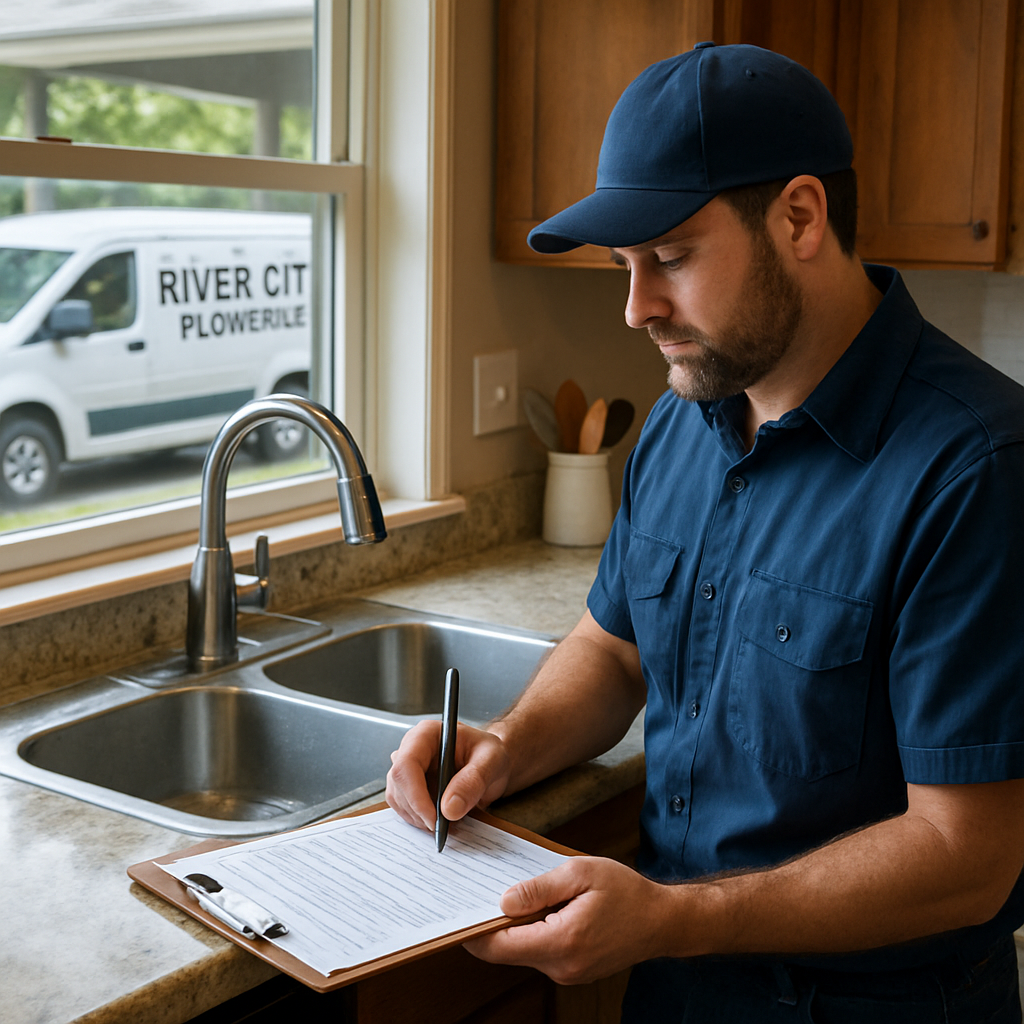
Immediate Steps to Take While Waiting for Emergency Help
Act fast — the first 10 to 30 minutes matter. In a plumbing services emergency the difference between a contained repair and major water damage is what you do before the truck arrives. Prioritize safety, stop ongoing loss if you can do so safely, and create clear evidence for insurance and the on-call technician.
Safety-first triage
When water, sewage, or a suspected gas issue is active, treat the scene like a safety incident first. Avoid actions that introduce new hazards, such as wading into deep, contaminated water or flipping breakers while standing in standing water. If you have any smell of gas, get everyone out and call emergency services and the gas utility before calling a plumber.
- Stop the flow if it is safe to do so: Close the building main valve at the meter or the interior utility shutoff. If you cannot locate the valve or are unsure, do not force it; wait for the tech to avoid damaging the shutoff.
- Isolate affected fixtures: Turn off individual supply stops under sinks, behind toilets, and at appliances to limit the area needing remediation and to preserve water elsewhere in the building.
- Kill power in wet areas only after confirming it is safe: If outlets, panels, or lighting are wet, switch power off at the breaker for that zone and keep people away from the area until a technician or electrician confirms it is safe.
- Contain and protect belongings: Move furniture, important documents, and electronics to higher ground; place towels, buckets, and a tarp under leaking spots to limit spread and secondary damage.
- Document everything with timestamps: Photograph or video the leak source, affected areas, and any serial numbers on damaged appliances. Upload or text images to your insurer and to dispatch for faster triage.
- Call the right first responders: For gas odor call 911 and the local utility immediately. For sewage contamination avoid contact and call for professional cleanup alongside your emergency plumber.
- Prepare access and permission details: Text or email clear access instructions, gate codes, and the best contact number to the dispatcher. If you are a rental manager, have the tenant stay on-site to point the tech to shutoffs.
Practical trade-off: Trying to jury-rig a repair yourself can stop a leak short-term but risks voiding insurance coverage or creating hidden damage behind walls. A simple action like closing an accessible supply stop is low risk and high reward; attempting to solder or clamp a pressurized cast-iron joint is not.
Concrete example: A property manager finds standing water pouring from a unit ceiling at midnight. She locates and closes the building meter valve, moves tenant belongings out of the wet area, photographs the ceiling and outlet staining, and calls a 24-hour plumber. The dispatched tech uses the photos to bring the correct clamp and a pump, reducing time on site and preventing further ceiling collapse.
Do one thing well: stop active loss safely and document it. That single action limits damage, speeds the correct dispatch, and protects your insurance claim.
Permits, Licensing, Insurance, and Warranties in Portland Emergencies
Straight fact: emergency plumbing work in Portland does not exempt you from permits, licensing checks, or insurance rules.** In practice, anything that alters a potable line, gas connection, sewer lateral, or requires structural opening will frequently trigger a permit or an inspection even when the work starts as an emergency.
When a permit still matters during an emergency
Common permit triggers: replacing a water heater (gas venting or gas-line reconnection), cutting and replacing sections of a sanitary line or sewer lateral, re-routing supply mains, or repairing a pipe inside a ceiling that requires drywall replacement. Technicians will stop the immediate loss first; permanent corrections that alter system configuration usually follow the permit process. See Oregon Building Codes Division for local requirements.
Trade-off to expect: permitting adds time and cost but it protects you. Unpermitted permanent repairs can invalidate insurance claims and create liability if an inspector later flags noncompliance. A practical compromise is a documented temporary mitigation to stop damage followed by a formal permit pull and final repair within a tight window.
Concrete example: A downtown Portland tenant has a ruptured gas-fired water heater at 1:00 AM. The on-call tech secures gas, isolates the unit, and fits a temporary cap to stop flow and eliminate immediate hazard. The company pulls the permit the next morning, performs the certified replacement with a gas-safety inspection that afternoon, and provides the permit and inspection number on the invoice for insurance.
How to verify the crew on the spot: ask to see registration with the Oregon Building Codes Division and the Construction Contractors Board, plus a current certificate of general liability and workers compensation insurance. If you manage rentals or commercial property, request to be named as an additional insured on the COI for that job. Cheap, unlicensed labor is a false economy when an insurer or city inspector gets involved.
Warranties to expect and their limits: manufacturer parts typically carry their own stated warranty; contractor labor warranties vary — emergency stop-gap work commonly carries a limited short-term warranty, while full replacements usually include longer labor guarantees (30–365 days depending on scope). Insist that any warranty be written on the invoice and that it explicitly states whether it covers temporary measures or only completed permanent work.
Paper trail that matters: demand an itemized invoice that separates emergency mitigation from permanent repair, lists permit numbers or pending pulls, and includes timestamped photos. That documentation materially speeds insurance reimbursement and prevents disputes over what was temporary versus permanent.
Next consideration: before approving a costly permanent replacement during an emergency, call your insurer for a quick coverage check; sometimes delaying full replacement a few hours to secure an adjuster acknowledgement reduces your out-of-pocket exposure.
Preventing Repeat Emergencies and Useful Products for Portland Homes
Start with the weak points, not the newest gadget. Portland homes do not fail randomly — they fail where age, soil conditions, and deferred maintenance meet. Build a short prevention plan that inventories vulnerable systems (supply mains, sewer lateral, water heater, exterior supply runs) and ranks them by likely consequence and frequency. The trade-off is simple: targeted replacements or properly installed devices cost more up front but cut the number of late-night emergency calls and the bigger remediation bills that follow.
Products and upgrades that actually reduce repeat emergency calls
- Smart shutoff with verification: Flo by Moen or similar devices can stop a catastrophic leak automatically and provide usage analytics. Consideration: they require correct sizing and professional setup on older meters and can trigger shutoffs that need a technician to restart.
- Battery water sensors and float switches: inexpensive sensors under water heaters, behind laundry, and near sump pumps give early warning. They alert — they do not fix. Pair them with an actionable response plan.
- Backwater/backflow preventers: required in many low-lying Portland areas to block sewer backups. These reduce repeat sewage incidents but need annual maintenance and sometimes a city permit; check guidance from the Portland Bureau of Environmental Services.
- Targeted pipe upgrades and trenchless lining: when camera inspection shows root intrusion or multiple failures, lining or selective repipe is cheaper long-term than repeated rooter calls.
- Appliance and tank maintenance plans: manufacturer maintenance (Rheem, Bradford White) and replacing sacrificial anodes can prevent sudden heater ruptures — schedule during business hours, not emergencies.
Practical limitation: sensors and smart shutoffs change the failure profile but do not remove the need for permanent repair. A shutoff that isolates a leak prevents damage but still leaves a defective section of pipe that will require a planned repair. Insurers and buyers care about documented repairs; temporary avoidance without a follow-up replacement can create problems later.
Concrete example: A small multiunit in northeast Portland had repeated basement backups every rainy season. River City Plumbing ran a camera, found root intrusion and a failed cleanout, installed a backflow check valve, and completed a trenchless lateral lining the next week. The tenant complaints and emergency calls stopped, and the owner avoided three more costly emergency cleanups the following winter.
Judgment call readers miss: landlords and owner-occupants often try to stretch repeated temporary fixes indefinitely. If the same location needs our 24-hour plumber more than once in 18 months, replace the failing component instead. That choice reduces total cost, tenant disruption, and liability — even if it hits the budget harder in the short term.