
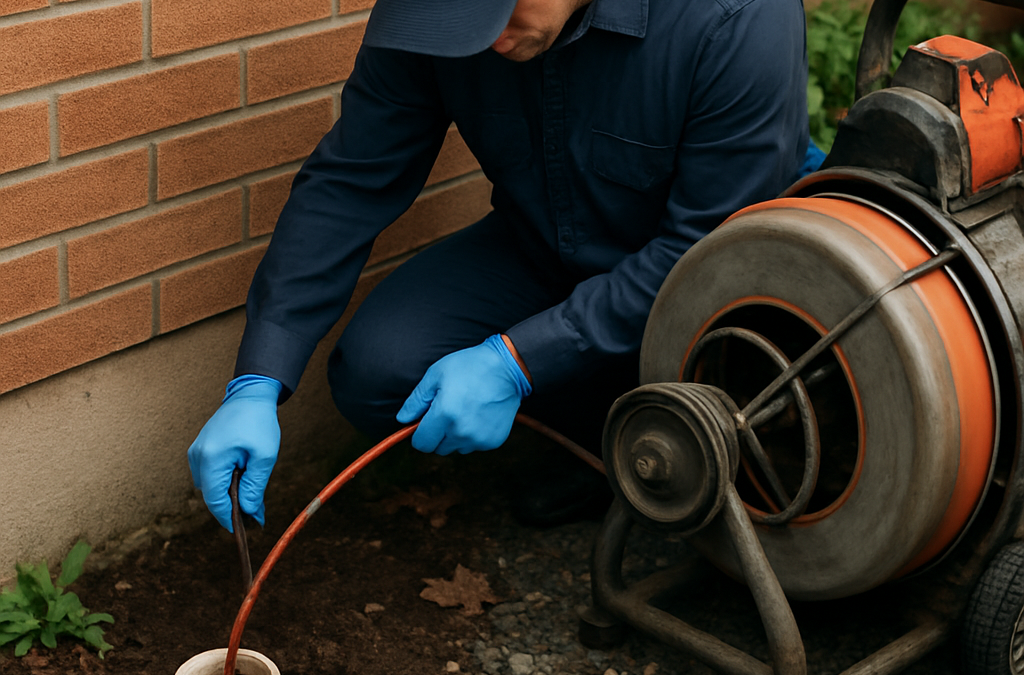
Drain Cleanout Service: When It’s Needed, Methods Used, and Cost Estimates for Portland Homes
Slow sinks, gurgling toilets, and recurring backups are warning signs Portland homeowners should not ignore; deciding whether a simple plunge will do or a professional drain cleanout service is required separates a one-hour fix from a major expense. This guide explains clear criteria for when a cleanout is necessary, walks through the diagnostic and repair methods technicians commonly use – camera inspection, snaking, and hydro-jetting – and lays out realistic Portland cost ranges and the local factors that drive price. You will also get practical advice on emergency versus scheduled response, safe DIY limits, and the questions to ask a plumber before work begins.
Signs Your Portland Home Needs a Professional Drain Cleanout
Multiple fixtures affected is the clearest on-site signal that the blockage is in the main sewer line, not a single trap. If a sink, shower, and toilet all drain slowly or one fixture backs up when another is used, the problem sits downstream and calls for a professional drain cleanout service rather than a simple fixture-level fix.
Distinguishing fixture clogs from mainline problems
Single-fixture symptoms usually respond to plunging or a hand auger; systemic symptoms do not. Gurgling sounds in multiple drains, sewage odor inside the house, or water pooling in the yard near the sewer run typically mean the obstruction is past the interior traps and you need a plumbing cleanout access and diagnostic equipment.
- Simultaneous slowness or backups across two or more fixtures
- Gurgling toilets or drains when other fixtures are used
- Sewage smell or visible sewage in basement, floor drains, or yard
- Soft or sunken areas in the yard near the sewer run that suggest a leaking line
- Repeated clogs after snaking or plunging within weeks or months
Practical trade-off: calling for a camera inspection raises the upfront cost but avoids repeated short-term snaking that only delays the real fix. In practice, technicians who skip a scope often clear a blockage, only for the homeowner to pay again when roots or a collapsed joint reappear.
Portland reality check: homes with older cast-iron or clay piping and mature street trees are far more likely to see root intrusion. That makes recurring slow drains less of a nuisance and more of a structural risk if left untreated — an inspection that includes a video sewer inspection pays for itself more often here than in newer subdivisions.
Concrete Example: A Northeast Portland homeowner reported gurgling toilets and a faint sewage smell after heavy rain. A technician used a RIDGID SeeSnake camera through the exterior cleanout and found root intrusion at about 12 feet; the team hydro-jetted the line that day to restore flow and scheduled a lining repair after inspecting the pipe condition. The quick scope prevented unnecessary excavation and targeted the long-term repair.
When to treat it as an emergency: active sewage in living spaces, standing wastewater on floors, or persistent strong sewage odor require immediate response — call a 24/7 plumbing service for mitigation before waiting for a scheduled appointment. For non-life-safety symptoms, schedule a cleanout and camera inspection during business hours to get a full diagnosis and a transparent estimate.
Types and Locations of Cleanout Access in Residential Properties
Cleanout placement changes the job before the technician arrives. A visible yard cap is not the only configuration you’ll see — cleanouts can be inside basements, in crawlspaces, under concrete slabs, behind stucco, or at the property line where private lateral meets the public main.
Common cleanout types and where technicians find them
- Basement or crawlspace cleanouts: typically a vertical 2- to 4-inch pipe with a threaded cap; easiest for immediate access and camera insertion.
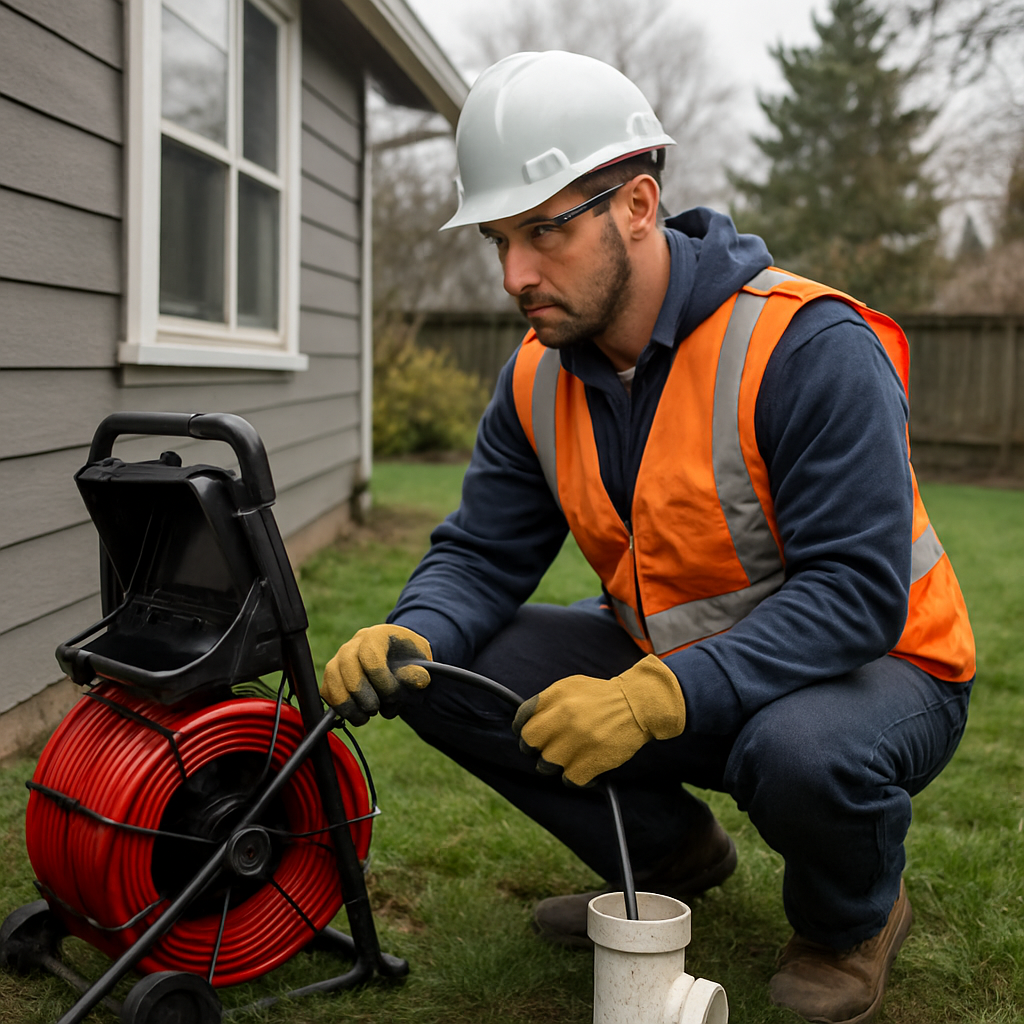
- Yard or exterior cleanouts: low-profile round or square caps set in concrete or turf; preferred for main line work because they avoid disturbing interior finishes.
- Property-line/main-line cleanouts: near the sidewalk or meter, marking the private/public handoff; important for coordinating repairs with the City of Portland (Portland BES guidance).
- Fixture-access workaround: toilets or tub drains are sometimes used as temporary entry points when a proper cleanout is missing — it works for a short emergency but is not a substitute for a dedicated cleanout.
- Septic or dispersed systems: these have separate inspection ports or septic tank access; do not assume municipal cleanout practices apply to septic setups.
Practical trade-off: interior cleanouts keep your yard intact and are faster in bad weather, but they can be behind finished walls or low in basements where tools are harder to maneuver. Exterior cleanouts give direct line access for long runs and hydro-jetting, yet they can be buried, frozen, or require lawn/concrete work to expose.
Limitation to plan for: if there is no usable cleanout or it is inaccessible, technicians must either snake from a fixture, excavate to expose the line, or run a camera from the public main with City coordination — each adds time and cost. Missing or hidden cleanouts are a common reason a simple clear becomes a multi-hour job.
Concrete Example: In a Southeast Portland bungalow the yard cap was buried under six inches of sod and missed on the first visit. The crew removed the sod and found a fused plastic cap, then inserted a RIDGID-style camera through the exterior cleanout to identify a root-interlaced offset at 15 feet. That sequence — expose, scope, then decide between snaking or hydro-jetting — avoided unnecessary interior demolition.
Judgment that matters: homeowners often underestimate the value of a simple surface-cleanout cap. Installing or restoring an accessible exterior main line cleanout is usually a modest upfront cost that lowers future emergency fees and speeds camera inspections, especially for older Portland homes with tree-root risk.
If you cannot find a cleanout, tell the dispatcher the home type and whether there is a basement or slab; that helps the crew bring the right gear and gives a clearer estimate up front.
Next consideration: when scheduling a drain cleanout service, ask whether the quoted price assumes an accessible exterior or interior cleanout. If excavation or city coordination is likely, expect the estimate to reflect that — and if you want to proactively reduce future costs, consider installing a visible, freeze-resistant exterior cleanout now through a licensed contractor (River City Plumbing sewer and drain cleaning services).
Professional Methods for Drain Cleanout and When Each Is Used
Choice of method depends on cause, access, and pipe condition. Technicians decide between visual diagnosis, mechanical clearing, and high-pressure cleaning based on what a scope shows and how fragile the line looks. Picking the wrong tool wastes money and can make future repairs harder.
Camera inspection first — why it pays
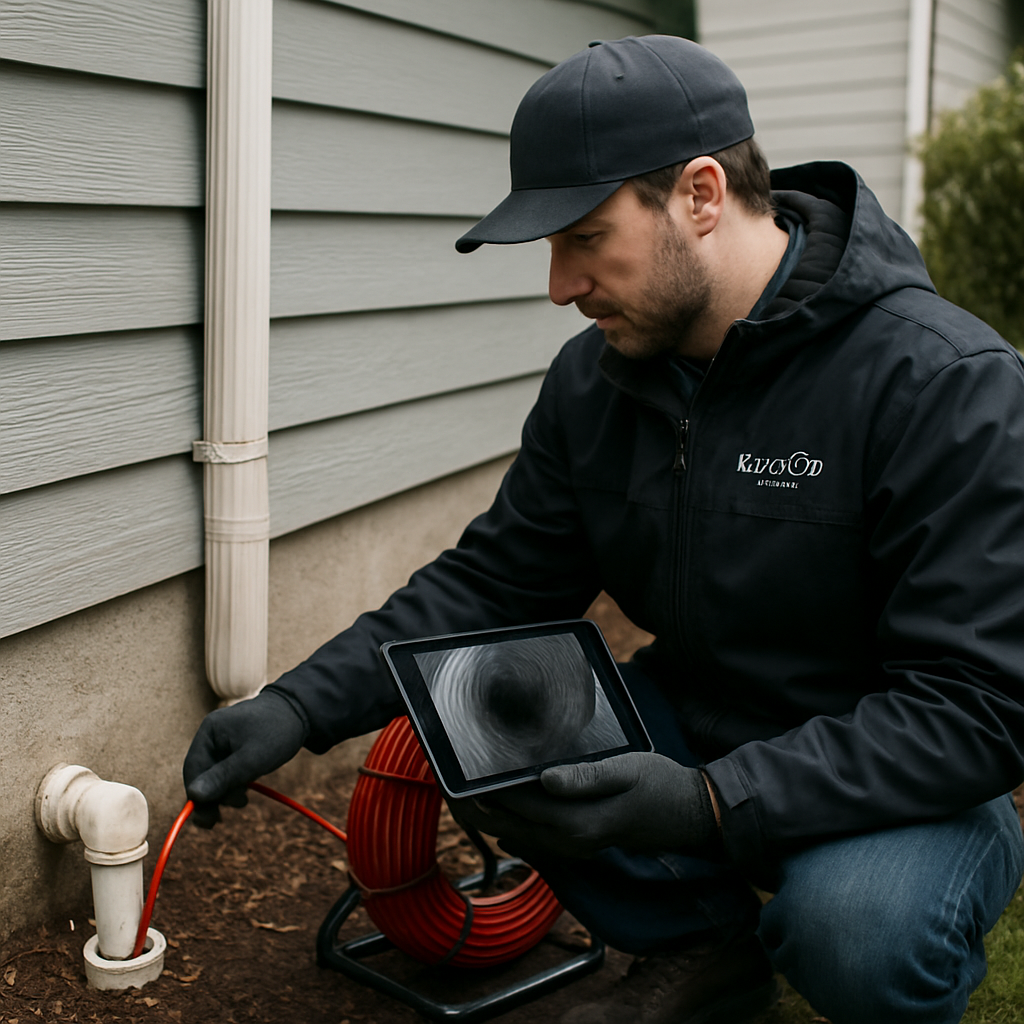
Camera inspection as a diagnostic step is the most cost-effective way to avoid repeated short-term fixes. A SeeSnake-style push camera or a crawler unit finds roots, offsets, bellies, cracks, and the exact distance to the problem so a crew can choose snaking, jetting, or a repair rather than guessing. Use a scope when multiple fixtures are affected, when clogs recur, or before committing to excavation. See manufacturers and tooling examples at RIDGID and General Pipe Cleaners.
Mechanical snaking / rooter machines
Mechanical snaking is fast and cheap for localized soft obstructions. Drum machines and sectional augers work well on hair, soap, and short root sections. The trade-off: snaking can leave roots partially cut and encourage regrowth and rarely removes heavy grease or scale. Choose this when the scope shows a discrete blockage within 25 feet and the pipe appears structurally sound.
High-pressure hydro-jetting
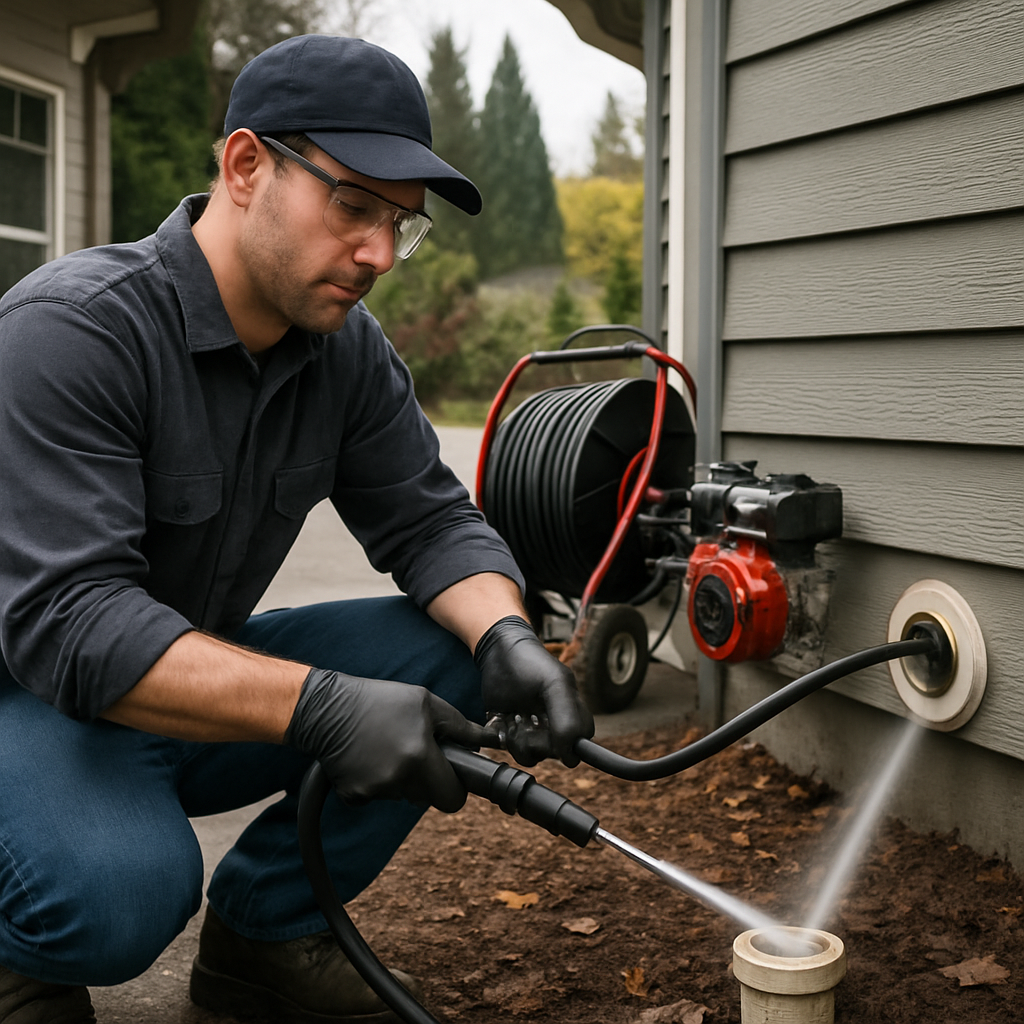
Hydro-jetting removes grease, scale, and root debris more thoroughly than a snake. Modern jetters use adjustable pressures and nozzle flows so trained techs can clear a main without unnecessary force. It is the right call when the camera shows thick grease coating, mineral buildup, or root matting. The limitation: very old, heavily corroded clay or cast-iron that is already fractured may be further weakened by jetting unless pressure is carefully managed or avoided.
When cleaning is not enough — spot repair and trenchless options
If a scope reveals cracks, collapsed sections, or repeated root invasion, cleaning is only a stopgap. Spot repairs, cured-in-place pipe (CIPP) lining, or a short excavation may be necessary. In Portland, factor in the private lateral boundary and possible City coordination for property-line work; that affects both method and cost. For guidance on responsibilities see Portland BES private sewer lines.
Concrete Example: A Southeast Portland duplex had monthly kitchen backups. A camera run found a heavy grease sleeve with a hairline crack in a 6-inch cast-iron run. The crew hydro-jetted to remove the grease, then performed a cured-in-place lining on the affected 10-foot section to prevent recurrence — cheaper and less disruptive than full excavation.
Practical judgment: Start with a scope unless the situation is an active sewage emergency. In emergencies technicians may bypass the scope to stop intrusion, then scope to plan repairs. Remember: cheaper initial methods like snaking are appropriate for short obstructions but often cost more over time if the underlying issue is structural or grease-related.
Cost Estimates for Drain Cleanout in Portland and What Impacts Price
Bottom line: the price you pay for a professional drain cleanout service in Portland is driven less by a single line item and more by three realities — access, diagnosis, and urgency. A straightforward fixture clear is inexpensive; a mainline job that requires a camera, extensive root removal, or after-hours response moves the cost materially higher.
Typical Portland ranges and what each covers
| Service | Typical Portland range | What that usually includes |
|---|---|---|
| Basic fixture drain clearing | $150 to $350 | Plunge or hand-augur work at a sink/shower/toilet; short on-site labor and basic cleanup |
| Mainline snaking / rooter service | $250 to $600 | Motorized auger from exterior or interior cleanout; good for discrete soft obstructions |
| Camera / video sewer inspection | $150 to $500 | Push camera or crawler run, diagnostic report, and video file for homeowner |
| Hydro-jetting / high-pressure water jetting | $350 to $1,200+ | Removes grease, scale, and root debris; price varies by run length and difficulty |
| Localized repair / root remediation | $500 to $2,500+ | Spot excavation, pipe lining, or small replacement sections depending on damage |
Key cost drivers to watch: accessibility of the cleanout (buried or inside a finished area adds labor), pipe material and age (cast-iron and clay complicate work), presence of roots or heavy grease, length of main run, and whether the job requires permits or City coordination. Emergency calls or 24/7 response typically carry a premium that can double the hourly—and sometimes the minimum—charge.
Trade-off to consider: paying for a camera inspection up front increases the invoice immediately but reduces the chance you pay twice. In Portland, where tree roots and aging pipe are common, a scoped diagnosis often identifies whether a one-time clean will hold or if lining or replacement is inevitable.
Concrete Example: A homeowner schedules a daytime mainline service after smelling sewage and noticing multiple slow drains. The crew scopes the line ($300), finds root intrusion and heavy grease, performs hydro-jetting to restore flow ($650), and recommends a lined repair for the compromised 10-foot section. Total that day: roughly $950 with a clear plan for the next step. Contrast that with an overnight emergency where technicians bypass diagnostics to stop intrusion, then perform the same work at premium rates—total often 30 to 50 percent higher.
- Ask up front: does the estimate include a camera inspection and itemized charges for labor, materials, and any permit work?
- Check warranty and deliverables: insist on before-and-after video when a scope is used and a written warranty on any mechanical cleaning or lining.
- Compare apples to apples: a low hourly rate can mask expensive mobilization fees, emergency premiums, or subcontracted diagnostics.
Next consideration: when you call, describe whether multiple fixtures are affected, if you smell sewage, and whether there is an accessible exterior cleanout; that information narrows the likely price band and prevents surprises on arrival.
Emergency vs Scheduled Drain Cleanout: How to Decide
Decide by risk and disruption, not by inconvenience. If wastewater is collecting where people live, if toilets or floor drains are backing up so you cannot use plumbing safely, or if there is a concentrated sewage odor that won't dissipate, treat the situation as an emergency and call a 24/7 plumbing service immediately. Nighttime and weekend calls will cost more, but waiting on an active sanitary issue risks property damage and health exposure — that is not where you economize.
Scheduled service is the right choice when the problem is chronic but not hazardous. Slow drains, intermittent gurgling, or recurring clogs that do not produce standing sewage are best handled by a daytime appointment that includes a camera inspection. A scoped, scheduled visit lets the technician diagnose root cause and present a costed plan (snaking vs hydro-jetting vs lining) instead of doing a stopgap fix that comes back.
Trade-off to understand: emergency response prioritizes immediate mitigation and may skip a full video inspection to stop intrusion; that is appropriate for acute hazards but often increases overall cost because diagnostics and longer-term repairs are done later at premium rates. In contrast, scheduling the scope first usually lowers total spend and reduces repeat callbacks — especially in Portland homes with root-prone clay or cast-iron laterals.
Quick decision flow
Use this practical triage to decide whether to call emergency or book a scheduled cleanout. It is not exhaustive, but it prevents common missteps.
- Immediate hazard: visible or smelly sewage inside the house, bathtub/toilet overflow that won't drain, or water infiltrating living areas — call emergency 24/7 service now (River City Plumbing emergency).
- Systemic but stable: multiple fixtures slow or recurring backups without standing sewage — schedule a scoped inspection during business hours; this is where a camera saves money.
- Single fixture, isolated: try a plunger or hand auger; if it fails or the issue returns within a few days, book a non-emergency cleanout with video diagnostics.
- Recurring after recent work: do not keep re-snake. Arrange a scoped inspection to identify structural causes (roots, offsets, grease) before repeating the same cleaning method.
Concrete Example: A Portsmouth neighborhood homeowner woke to a smelly basement and a slow-draining laundry tub after a storm. The crew was called overnight to pump out standing sewage and block further intrusion; the next morning they ran a RIDGID SeeSnake camera during a scheduled follow-up, located root matting at 14 feet, and recommended targeted hydro-jetting plus a lined patch for that section. The two-step approach stopped the immediate hazard and produced a durable repair plan.
Extra consideration — documentation and insurance: when you face any sewage event, photograph affected areas and keep receipts. Insurers and the City of Portland often require evidence for claims or permit coordination. If you suspect the private lateral meets the public main near your property line, consult Portland BES guidance during the scheduled follow-up so repairs and permits are handled correctly.

DIY Limitations and Safe Homeowner Actions Before a Technician Arrives
Do not escalate a mainline problem. When more than one fixture is involved or you smell sewage, homeowner tinkering usually increases cost and damage. Calling for phone triage from a licensed plumber is the sober first move — it narrows whether the situation needs emergency mitigation or a scoped, scheduled visit.
Immediate, safe steps you can take. Stop using affected fixtures and appliances (dishwasher, washing machine, garbage disposal), shut off water to problem fixtures if you can, block off floor drains with towels to limit spread, move furniture and electronics away from wet areas, and photograph the scene for insurance or permit records. These actions limit property loss without changing the condition of the pipe.
What to avoid and why it matters
Avoid chemical drain cleaners, rental power snakes, and untrained excavation. Caustic chemicals can pit cast-iron surfaces, ruin later video inspections, and create hazardous residues. Power augers spun by inexperienced users can break brittle joints in older cast-iron or clay laterals common in Portland, turning a cleanout job into a pipe-replacement job. Digging near a sewer lateral risks hitting the line and triggering City of Portland permitting requirements.
A practical trade-off to accept: a short-term snaking attempt on a single sink or tub is reasonable, but repeated DIY snaking when the same problem returns is false economy. In practice, scoping first usually lowers total spend in root-prone neighborhoods because it identifies structural issues that simple clears cannot fix.
Concrete example: A Laurelhurst homeowner ran a rented rotary auger on a sluggish main and felt the machine jam; the auger fractured an old cast-iron joint, causing soil settlement and an immediate need for excavation and a permit. Contrast that with a Woodstock homeowner who shut off affected fixtures, snapped photos, and called for daytime phone triage; the crew arrived with a camera, scoped a root mat, and cleared and scheduled a lining — lower total cost and minimal disruption.
If sewage is present in living areas, call a 24/7 plumbing service now — stop using water, document damage, and wait for mitigation. For non-sewage slow drains, arrange a scoped inspection during business hours to avoid unnecessary repairs and emergency premiums (River City Plumbing emergency).
How River City Plumbing Handles a Drain Cleanout for Portland Homes
We treat a drain cleanout service as a small investigation, not a one-off cleaning. That means our default is to gather information first — from your phone call and then on site — so we choose the least invasive, most durable fix instead of repeating short-term clears that come back.
Phone triage matters. When you call, expect questions about which fixtures are affected, whether you smell sewage, and if there is an accessible exterior or basement cleanout. That lets the dispatcher send the right technician and the correct equipment the first time, which reduces surprises and time on site.
Field process and decision points
Below is how we typically sequence work at a Portland home; each step is a decision point that can change the method and the price.
- Rapid site assessment: confirm access, locate the cleanout, and check for standing sewage or safety hazards.
- Containment and mitigation: if wastewater is present we stop the immediate hazard with pumps or temporary plugs before further work.
- Video diagnosis: run a push camera or crawler to map the line, measure distance, and identify roots, cracks, offsets, or grease buildup.
- Method selection: choose targeted snaking, controlled hydro-jetting, or plan a trenchless/repair based on what the scope shows and pipe condition.
- Execution with proof: perform the work and record before-and-after video; technicians also log run length, pressure settings (for jetting), and materials used.
- Next-step plan and paperwork: deliver an itemized estimate for repairs if needed, provide video files, and outline any warranty or maintenance recommendations.
Practical trade-off we enforce: we will avoid aggressive hydro-jetting when a scope shows thin-walled cast iron or a fractured clay joint — the short-term clear might work, but the risk of causing a collapse or bigger leak outweighs the speed. In those cases we recommend a conservative clear plus planned repair or lining.
Concrete example: A homeowner in Montavilla reported recurring kitchen backups. Our techs did phone triage, arrived with a SeeSnake push camera and a compact jetter, scoped the line and found a 12-foot root mat with grease coating. We performed controlled jetting to restore flow, saved the before/after video to the customer file, and gave a written estimate for a 10-foot cured-in-place liner to stop recurrence.
We document every job with video and an itemized report so you see what was done and why — that lowers disagreement with insurance and prevents repeat callbacks.
Final consideration: if you want to lower future emergency costs, ask the dispatcher to quote both a scoped cleaning and a preventive mainline inspection when scheduling. In Portland's older neighborhoods that one extra diagnostic step usually avoids repeated interventions and surfaces whether a trenchless repair is the better long-term investment.
Preventive Maintenance, Scheduling, and Long-Term Solutions
Preventive maintenance is the single operational choice that reduces emergency visits and total lifecycle cost. A repeatable plan — not ad-hoc snaking — is what stops recurring blockages from becoming excavation projects.
A simple maintenance framework you can follow
- Baseline diagnostic (year 0): schedule a scoped inspection to map pipe condition and distance to problem areas; this creates a video baseline to compare future runs and informs what technique to use next.
- Risk-tier scheduling: tier service frequency by risk factors — high risk (mature trees, older clay/cast-iron, multi-family units): annual to 18 months; moderate risk (some trees, mixed materials): 18–36 months; low risk (newer plastic laterals, no trees): every 3–5 years.
- Task mix per visit: always include a camera run. If the scope shows grease or root matting, add controlled hydro-jetting; for isolated soft clogs, a targeted mechanical snake is acceptable. Reserve trenchless repair decisions for scopes that show structural defects.
- Record and act: keep the video and the technician report. If the same location shows progressive damage, move from cleaning to a spot-liner or replacement before a collapse forces an emergency excavation.
Trade-off to accept: paying modestly for recurrent scoped maintenance buys predictability. You will pay more up front, but you reduce the odds of a disruptive, high-priced emergency that often triggers permits and landscaping restoration.
Practical scheduling considerations for Portland: plan preventative work outside the wettest months when root activity is highest and ground access is easier. Coordinate maintenance with pruning or landscaping to limit fresh root growth near laterals.
Limitation and caution: frequent high-pressure jetting is effective but not benign. When a scope shows thin-walled cast iron or fractured clay, insist the technician lower jet pressure or choose a conservative clear plus planned lining. Aggressive jetting can accelerate failure in already weakened pipes.
Concrete Example: A Northeast Portland homeowner on an annual plan used scope footage to catch early root hair 10 feet from the cleanout. Technicians performed a controlled jetting and scheduled a 12-foot cured-in-place liner for the following month. That combo avoided a later emergency dig and reduced total spend compared with repeated emergency calls.
If you can do one thing now: book a video sewer inspection as the baseline. It converts reactive repairs into a planned maintenance schedule and reveals whether cleaning alone will hold.